Which Bread Has the Fewest Calories? Slices Compared
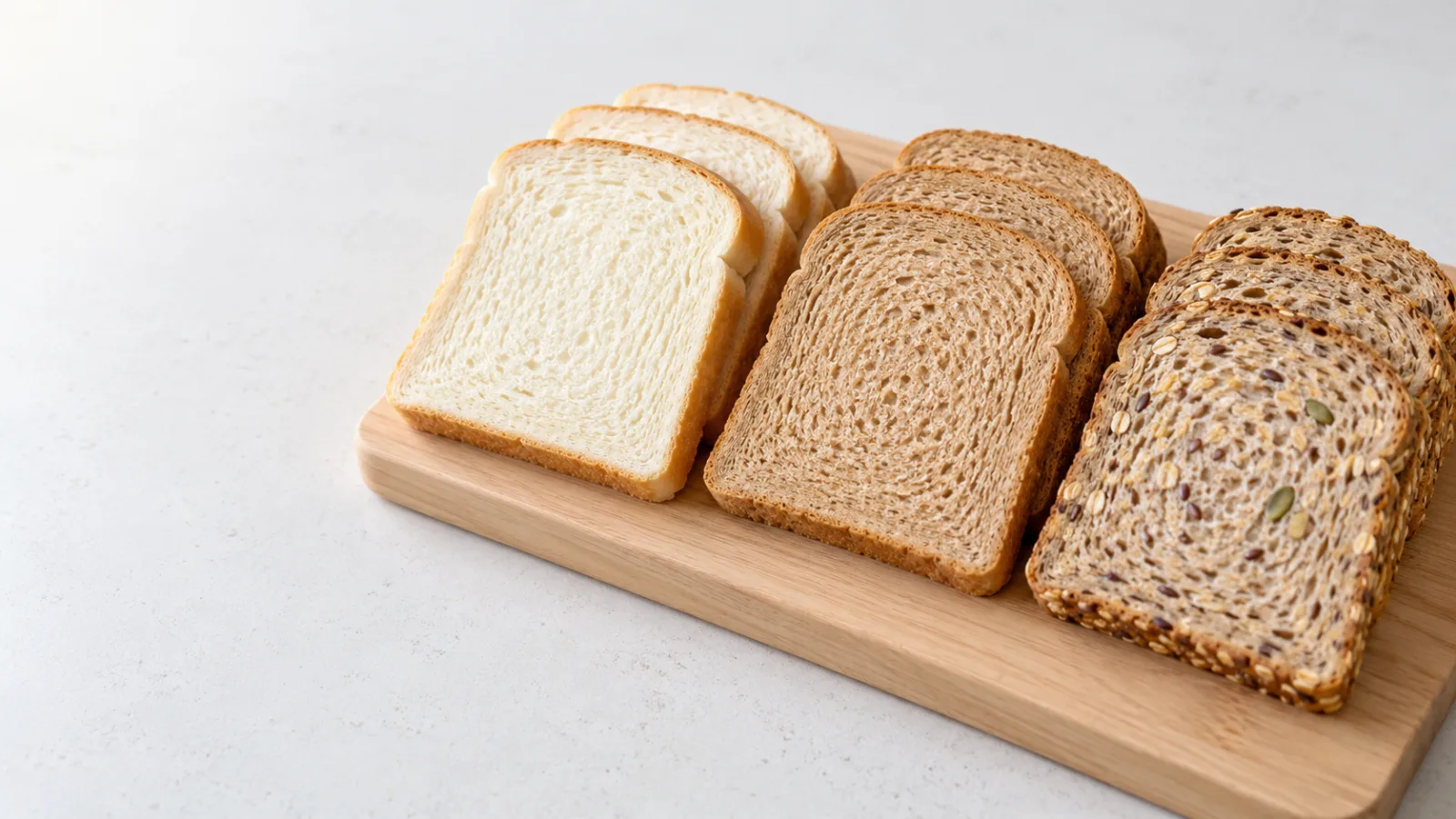
A slice of reduced-calorie bread has about 46 to 48 kcal in the USDA entries compared here. A regular slice of white bread has 77 kcal, and a slice of whole-wheat bread has 81 kcal [1].
The difficulty is that a slice is not a fixed amount of bread. If you are comparing loaves while counting calories to lose weight, a loaf with smaller slices can look lower in calories even when it has as many or more calories per 100 g.
Use calories per slice for the portion you eat and calories per 100 g to compare equal weights. For your own loaf, the nutrition label is the best guide.
-
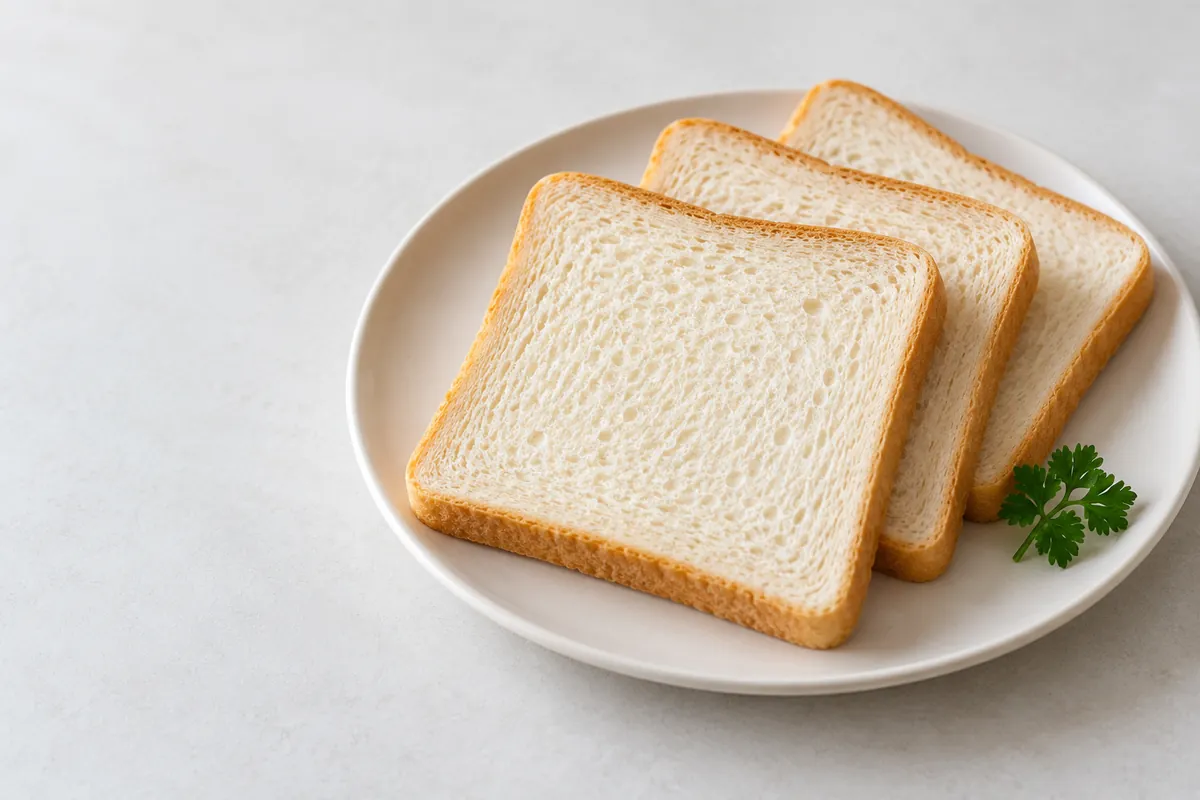 48 kcal Reduced-calorie white 1 slice (23 g)
-
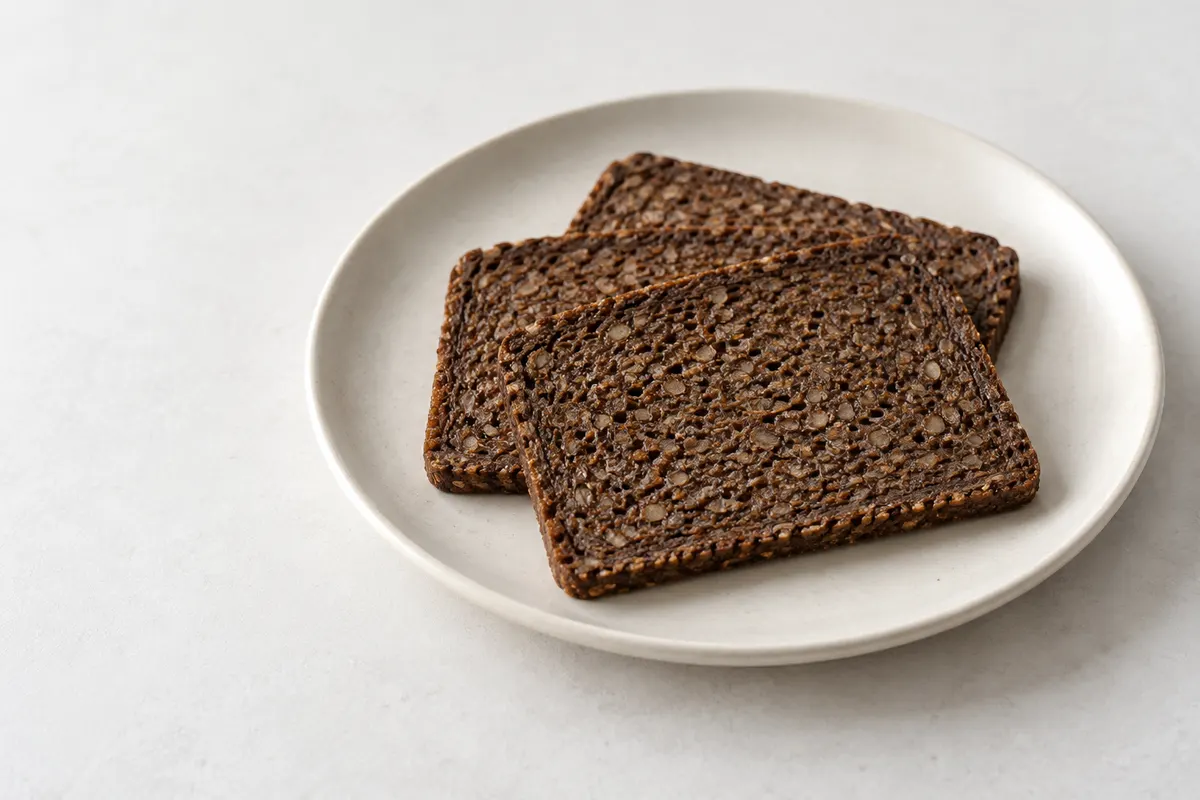 65 kcal Pumpernickel 1 slice, regular (26 g)
-
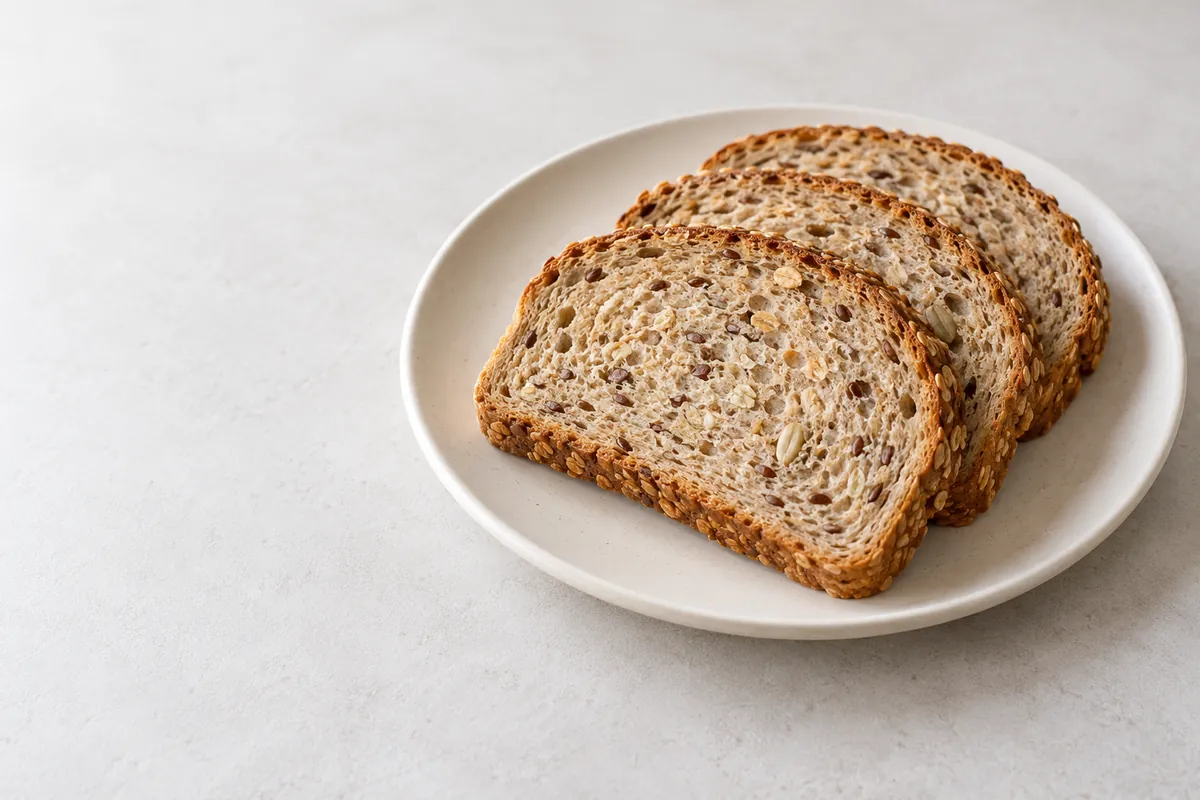 69 kcal Multigrain 1 regular slice (26 g)
-
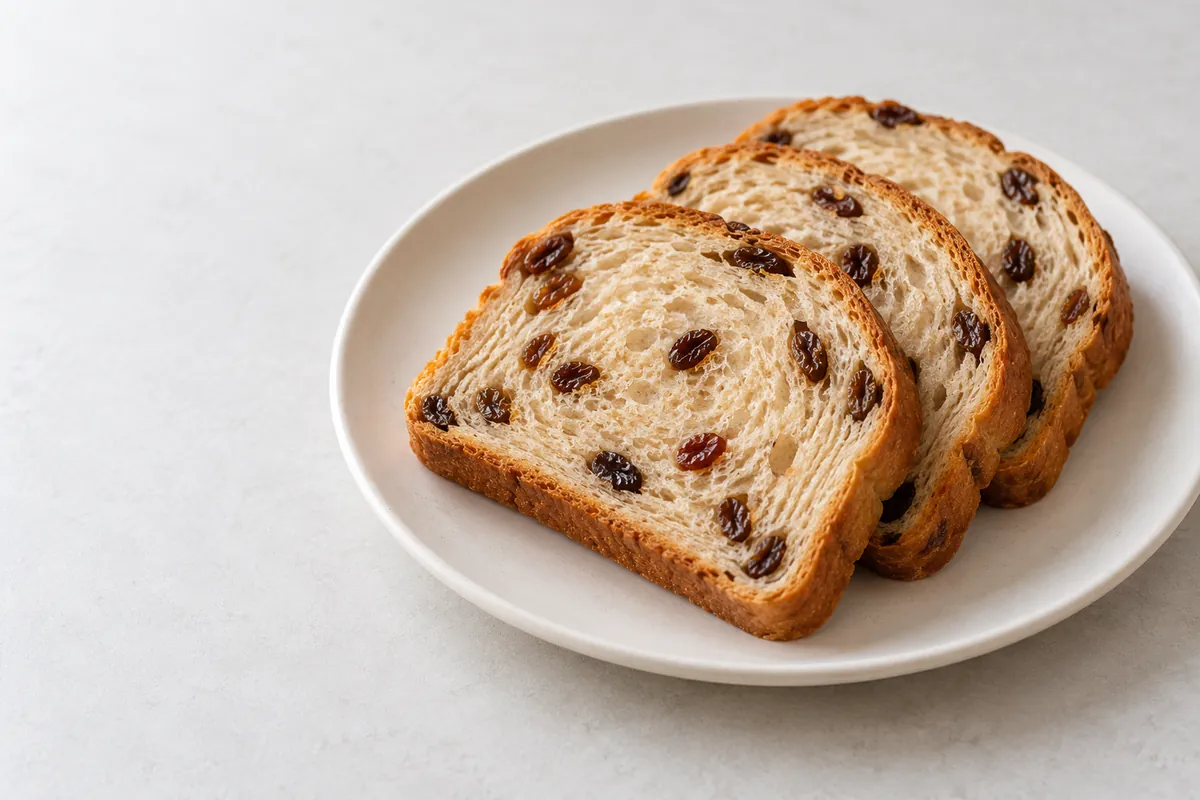 71 kcal Raisin bread 1 slice (26 g)
-
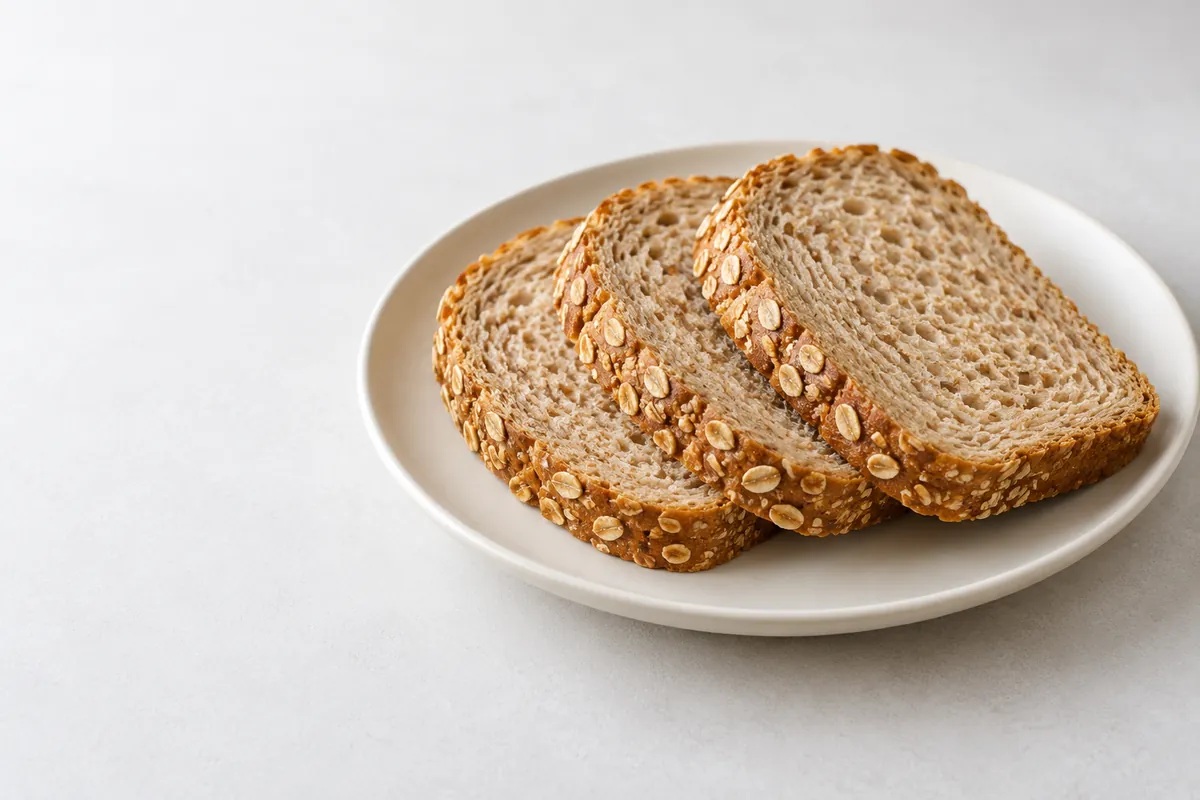 73 kcal Oatmeal bread 1 slice (27 g)
-
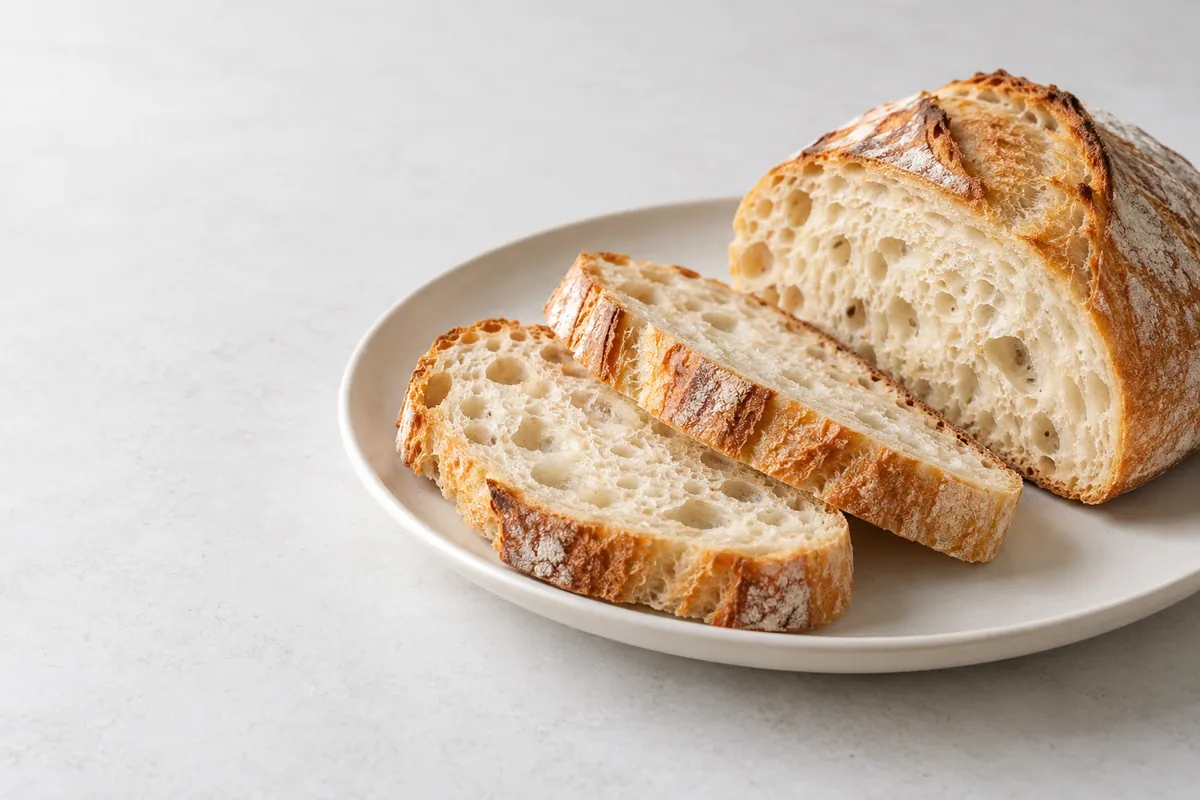 75 kcal Italian bread 1 slice (29 g)
-
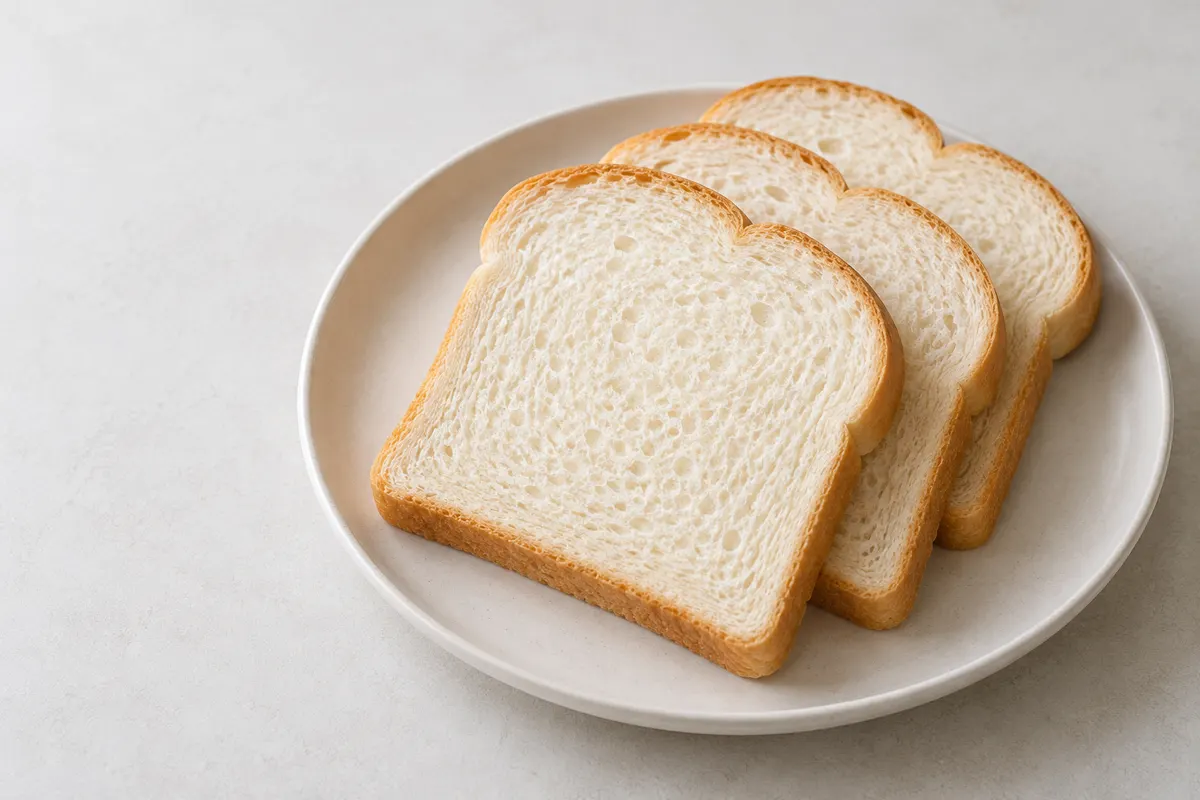 77 kcal White bread 1 slice (29 g)
-
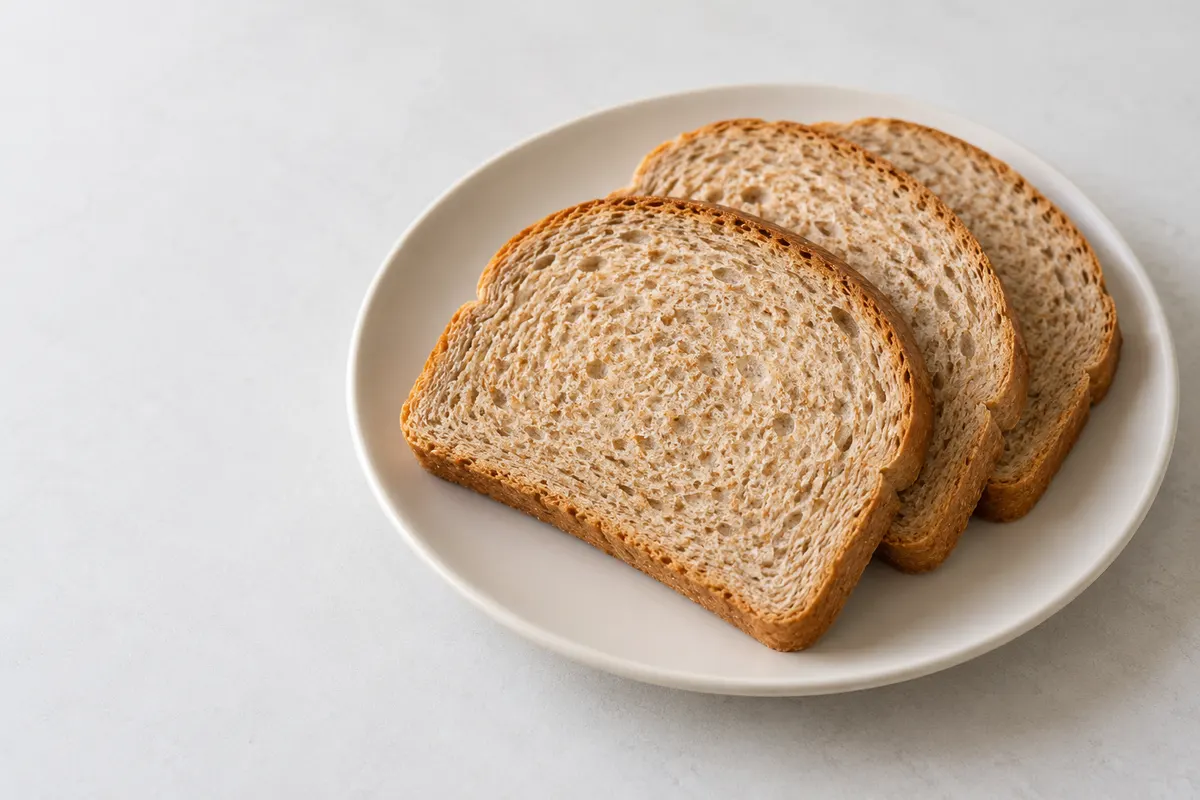 81 kcal Whole-wheat 1 slice (32 g)
-
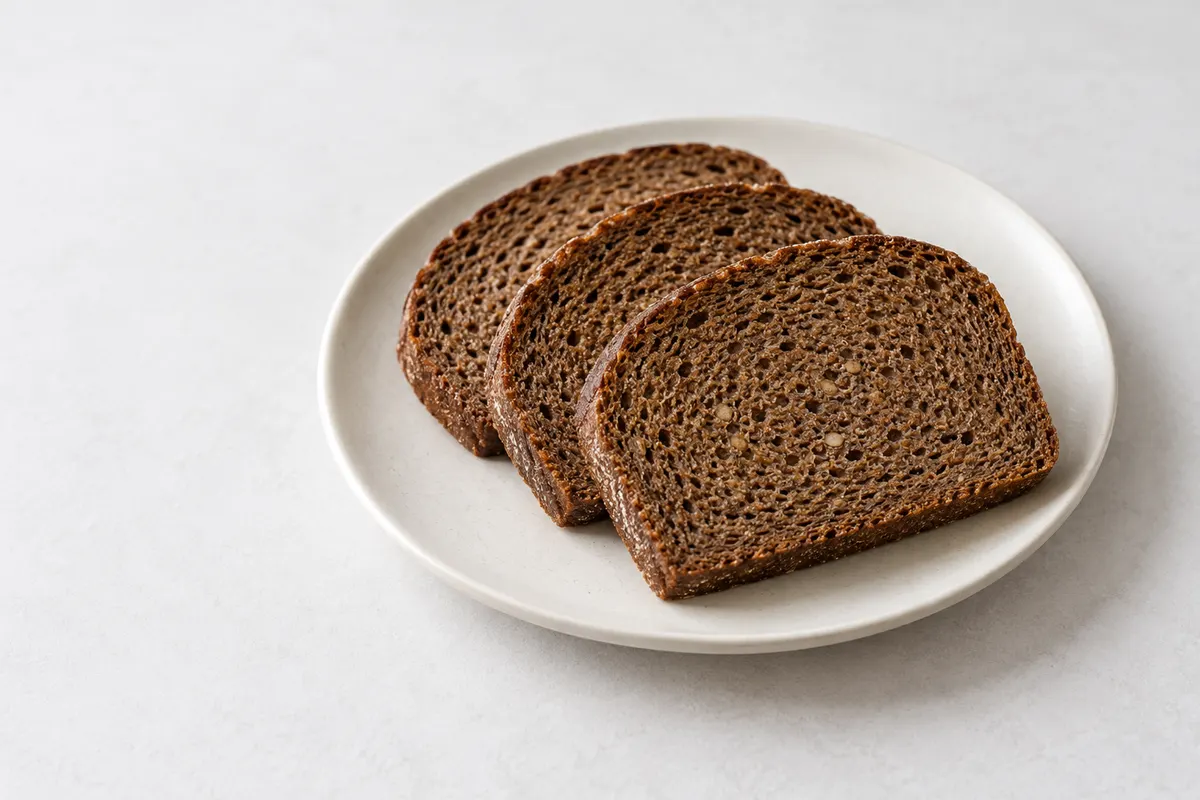 83 kcal Rye 1 slice, regular (32 g)
-
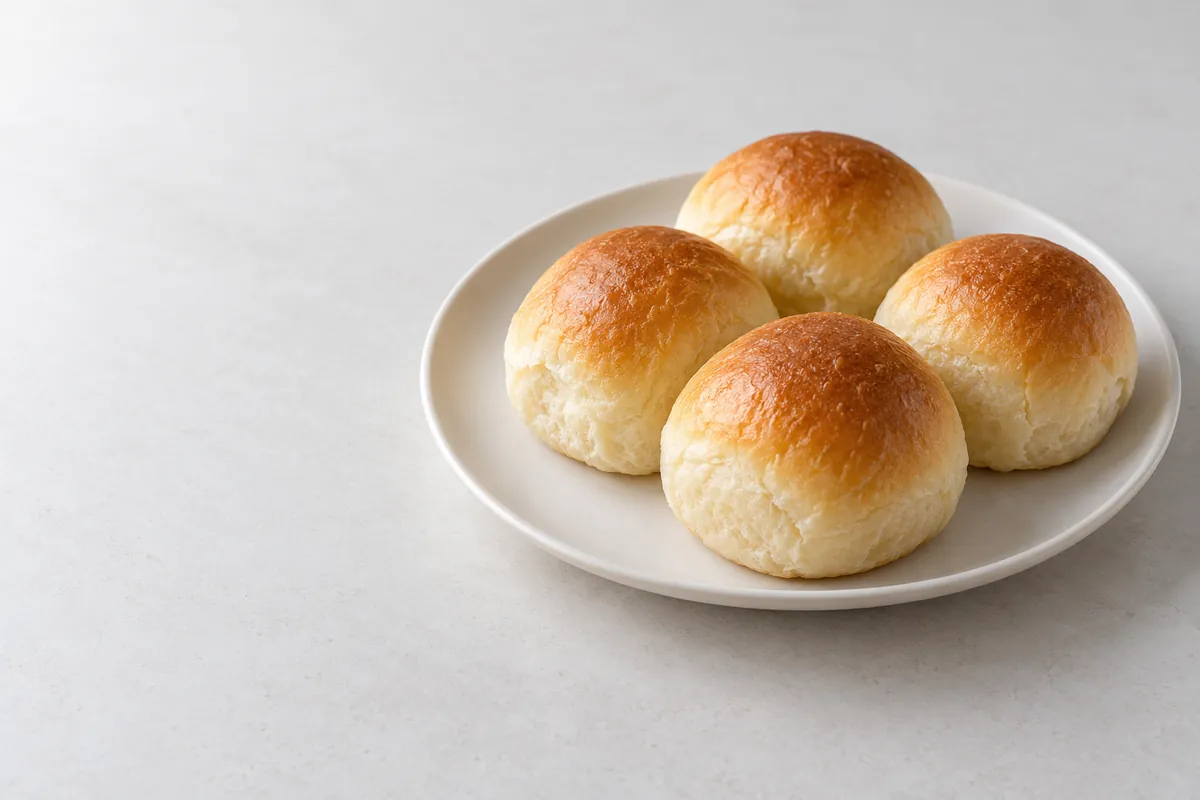 87 kcal Dinner roll 1 roll, 1 oz (28 g)
-
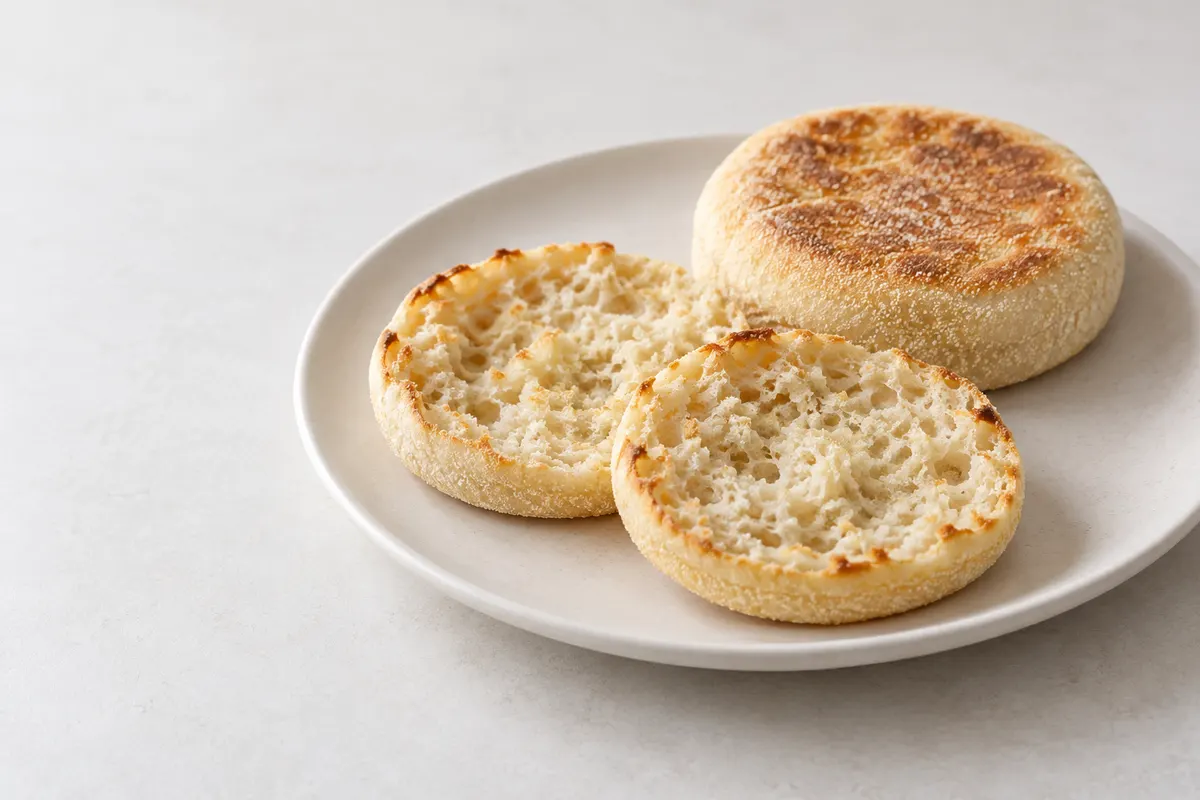 129 kcal English muffin 1 muffin (57 g)
-
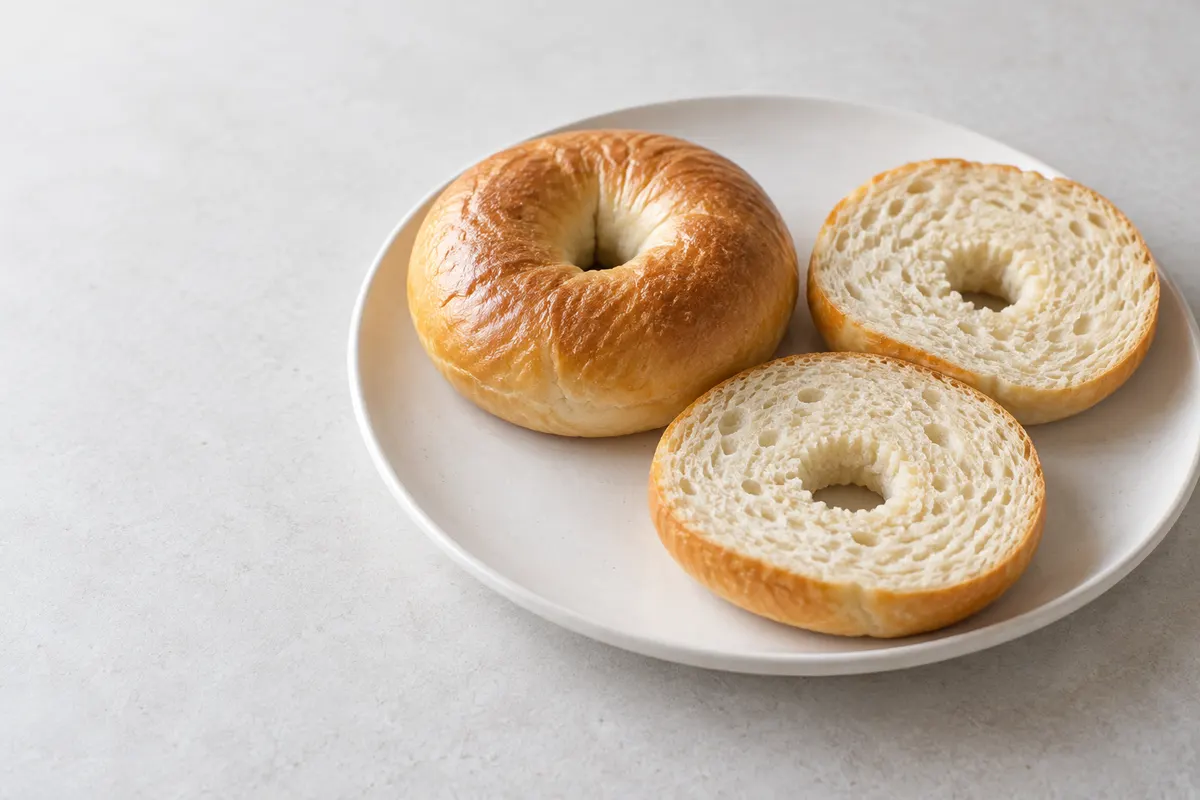 277 kcal Bagel 1 medium bagel (105 g)
What "reduced calorie" means on a U.S. label
"Reduced calorie" means at least 25% fewer calories per standard reference amount than an appropriate comparison food. The label must name that food and state the difference near the claim [2].
A smaller slice alone does not make a bread "reduced calorie." Check the serving weight as well as the wording on the package. Reduced-calorie bread comes in white, wheat, rye, oatmeal and oat bran versions in our data, all at 46 to 48 kcal per slice.
Slice size changes the comparison
Reduced-calorie white bread has fewer calories per 100 g than regular white bread in these entries. Its listed slice is also smaller, so both differences lower its calories per slice [1].
| Bread (slice weight) | kcal/slice | kcal/100 g |
|---|---|---|
| Reduced-calorie white (23 g) | 48 | 207 |
| Pumpernickel (26 g) | 65 | 250 |
| Multigrain (26 g) | 69 | 265 |
| White (29 g) | 77 | 266 |
| Whole-wheat (32 g) | 81 | 252 |
| Rye (32 g) | 83 | 259 |
Multigrain has fewer calories per slice than whole-wheat here, even though it has more calories per 100 g; its listed slice weighs less. These are reference portions, not fixed values for every loaf. A thick and a thin slice of the same bread need different entries. Raisin, oatmeal and Italian bread fall in between at 71 to 75 kcal per slice, and an ounce of French or sourdough bread has 77 kcal.
Whole-wheat vs white: similar calories, different fiber
Whole-wheat is slightly lower in calories per 100 g than white bread in this comparison, but its heavier reference slice makes it slightly higher per slice [1].
The fiber differs more: a whole-wheat slice provides about 2 g of fiber and a white slice about 1 g. A reduced-calorie white slice also provides about 2 g. For more fiber-rich choices, see the high fiber foods table. See how much fiber you need a day.
Whole-wheat does not automatically mean fewer calories per slice, and reduced-calorie white is not the same as regular white bread. If fiber matters to you, read that line on the label alongside the serving weight.
Bagels, muffins and rolls: compare the whole piece
A medium bagel has 277 kcal at 105 g, yet its 264 kcal per 100 g is close to white bread. Most of the difference per piece comes from the bagel's weight [1].
A medium croissant has 231 kcal at 57 g and 406 kcal per 100 g, so here the type of bread matters as well as the portion. An English muffin at the same 57 g has 129 kcal.
Rolls need their own portion entry too. A dinner roll weighing 28 g has 87 kcal, while a hamburger bun weighing 44 g has 123 kcal. For wraps, a corn tortilla weighing 24 g has 52 kcal, and a flour tortilla about 6 inches across and weighing 30 g has 92 kcal. A small pita of 28 g has 77 kcal.
Why crispbread and rice cakes look different per piece
A piece of crispbread weighing 11 g has 37 kcal, and a rice cake weighing 9 g has 35 kcal. Their small piece weights explain the low totals [1].
Per 100 g, crispbread has 334 kcal and rice cakes 387 kcal, both higher than the sliced breads in the table. If you eat several pieces, compare the total portion you actually eat and include any toppings.
How to log bread in four steps
- Find the product or the closest entry. Search for the bread or scan its barcode and check that the entry matches the product. For unpackaged bread, choose the closest bread type.
- Check the slice weight on the label. A labeled serving may contain more than one slice, so check the serving size before using its calorie figure.
- Count the slices you eat. Enter that number with the matching slice portion. For a hand-cut loaf, use grams if you know the weight, or see how to count calories without weighing food.
- Add spreads separately. Log butter, jam or other toppings in addition to the bread.
For help with serving sizes, see how to read a nutrition label. Once your entry matches your loaf and portion, you have a reference for the bread you eat regularly.
Your bread in ClariMeal
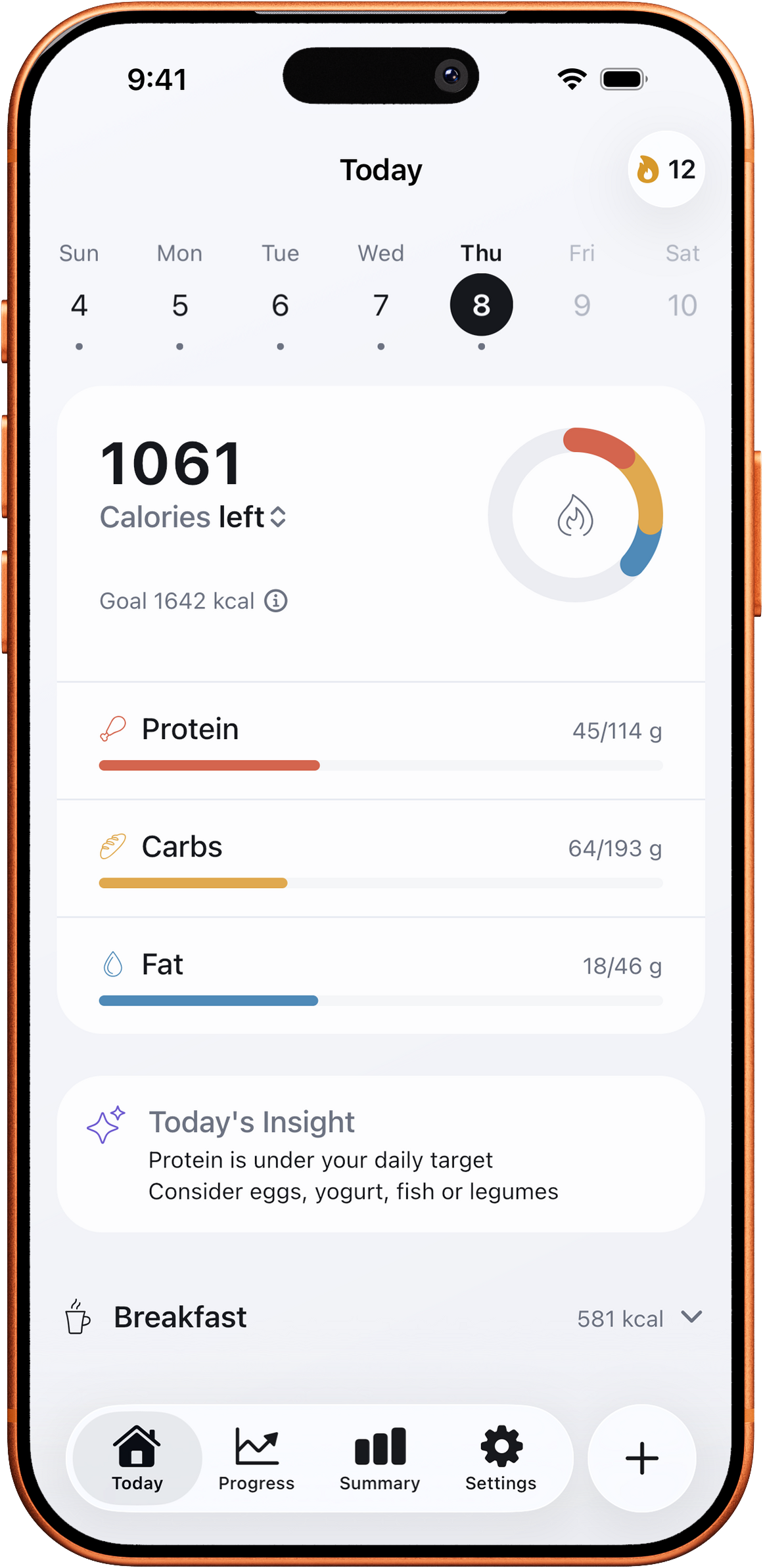
In ClariMeal, you can find your bread by search or barcode and adjust the portion before logging. A breakfast you eat often can be saved as a meal; it opens as a card and is logged with a separate button. A photo is sent for analysis only with your consent, and you review and correct the estimate before logging. The Today screen shows your daily calories and macros against your targets.
Log Your Bread PortionLog Your Bread Portion
Sources
- U.S. Department of Agriculture, Agricultural Research Service. FoodData Central. fdc.nal.usda.gov ↑
- U.S. Food and Drug Administration. 21 CFR 101.60, Nutrient content claims for the calorie content of foods, paragraph (b)(4). law.cornell.edu ↑