How Much Fiber Do You Need a Day?
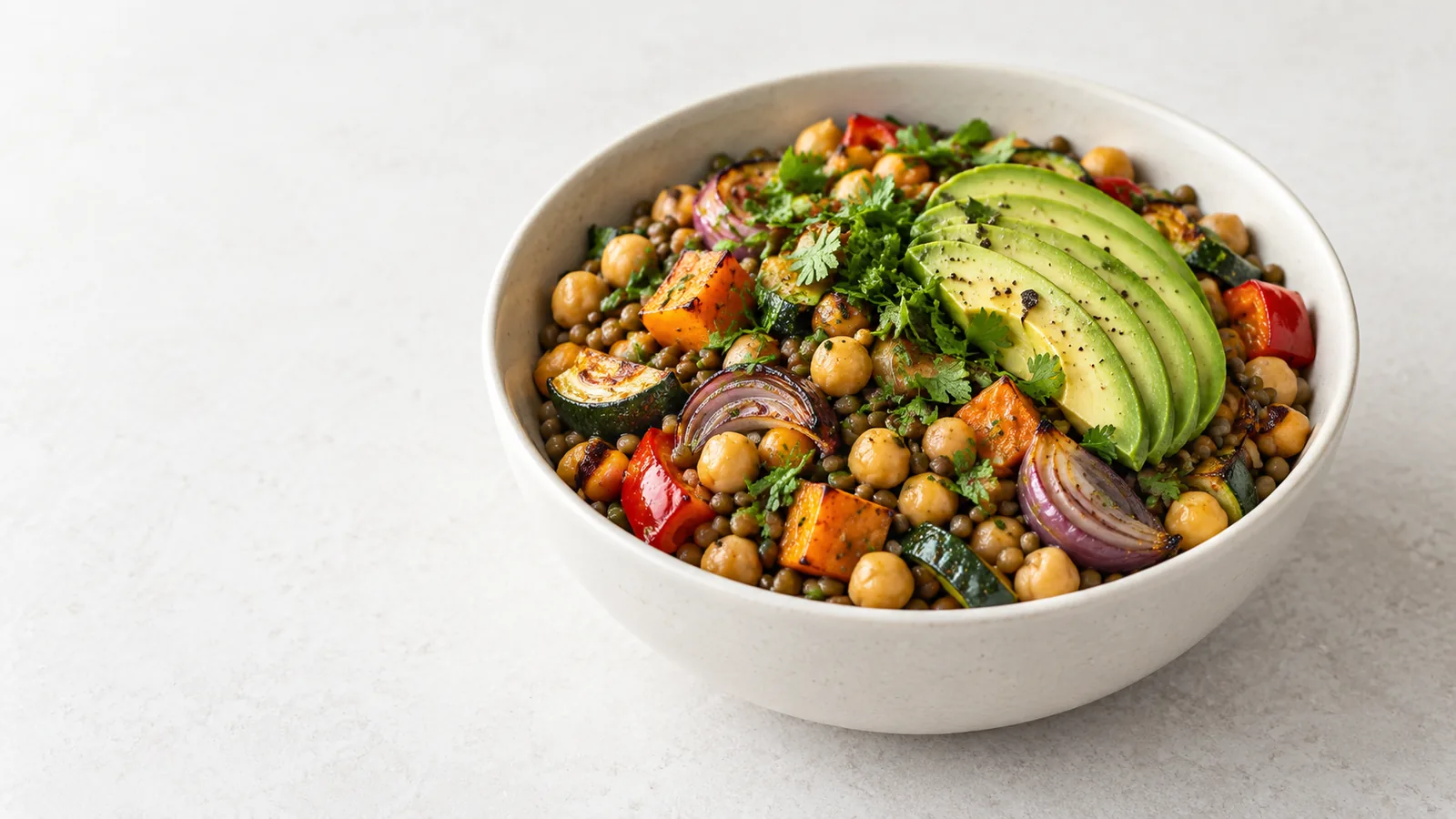
"Eat more fiber" is easy advice to give and harder to act on while you are losing weight. How much do you need, and what does that look like in ordinary meals?
In the U.S., the daily reference intakes are 25 g for women and 38 g for men aged 19 to 50. After age 50, they are 21 g and 30 g [1]. The European Food Safety Authority sets an adequate intake of 25 g a day for adults [2].
Ordinary foods can cover these amounts. The useful next step is to see what your usual portions already give you.
Daily fiber intake for women and men
| Reference | Age | Women (g a day) | Men (g a day) |
|---|---|---|---|
| U.S. Institute of Medicine | 19 to 50 | 25 | 38 |
| U.S. Institute of Medicine | 51 and older | 21 | 30 |
| European Food Safety Authority | Adults | 25 | 25 |
These are adequate intake values for adults; the U.S. figures do not cover pregnancy or breastfeeding [1, 2].
The U.S. values come from a reference of about 14 g of fiber per 1,000 kcal, applied to typical energy intakes for each group [1]. For example:
14 g × 2,000 kcal ÷ 1,000 = 28 g of fiber
This shows how the guidance is calculated. It does not mean everyone eats 2,000 kcal or has the same fiber target.
EFSA based its adult reference on normal bowel function [2]. Different methods explain why the numbers are not identical.
For everyday planning, the reference values give you a number to work with. Ordinary portions show you how to get there.
Fiber in ordinary portions
The amounts below are USDA values from the linked food pages [3]. Each number applies to the portion and preparation listed.
| Food | Portion | Fiber (g) | Calories (kcal) |
|---|---|---|---|
| Lentils, cooked | 1 cup (198 g) | 15.6 | 230 |
| Black beans, cooked | 1 cup (172 g) | 15.0 | 227 |
| Chickpeas, cooked | 1 cup (164 g) | 12.5 | 269 |
| Chia seeds | 1 oz (28.35 g) | 9.8 | 138 |
| Peas, green, raw | 1 cup (145 g) | 8.3 | 117 |
| Edamame | 1 cup (155 g) | 8.1 | 188 |
| Raspberries | 1 cup (123 g) | 8.0 | 64 |
| Artichoke, raw | 1 medium (128 g) | 6.9 | 60 |
| Avocado | Half (about 100 g) | 6.7 | 161 |
| Pear | 1 medium (178 g) | 5.5 | 101 |
| Apple | 1 medium (182 g) | 4.4 | 95 |
| Oats, dry | 40 g | 4.0 | 152 |
| Baked potato with skin | 1 medium (173 g) | 3.8 | 161 |
| Almonds | 1 oz (28.35 g) | 3.5 | 164 |
| Whole-wheat bread | 1 slice (32 g) | 1.9 | 81 |
You do not need a full cup of beans or lentils for them to count. Half a cup of cooked lentils gives 7.8 g of fiber.
The calorie column helps you see how each portion fits into a meal. It is not a ranking of foods as good or bad. Almonds, avocado, berries and lentils can all have a place in what you enjoy eating.
For more foods, see the high fiber foods table.
How to get 30 grams of fiber a day
-
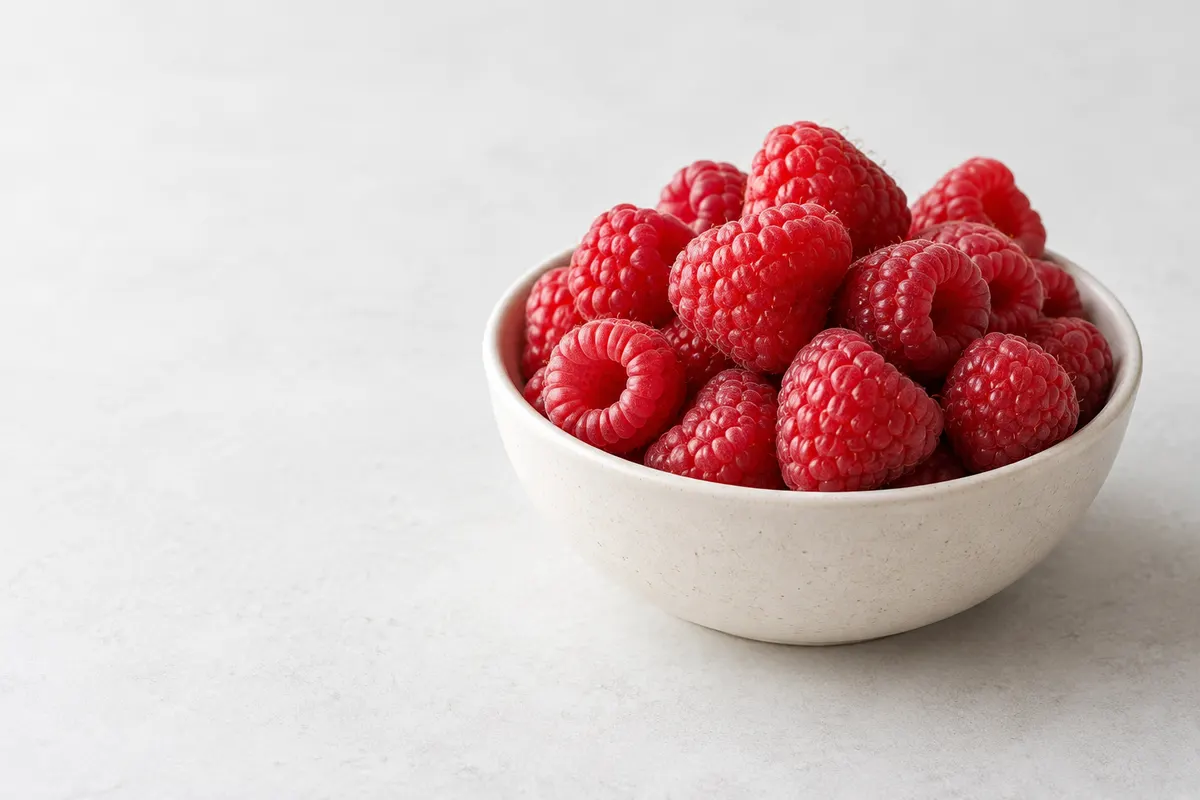 8 g Raspberries 1 cup (123 g)
-
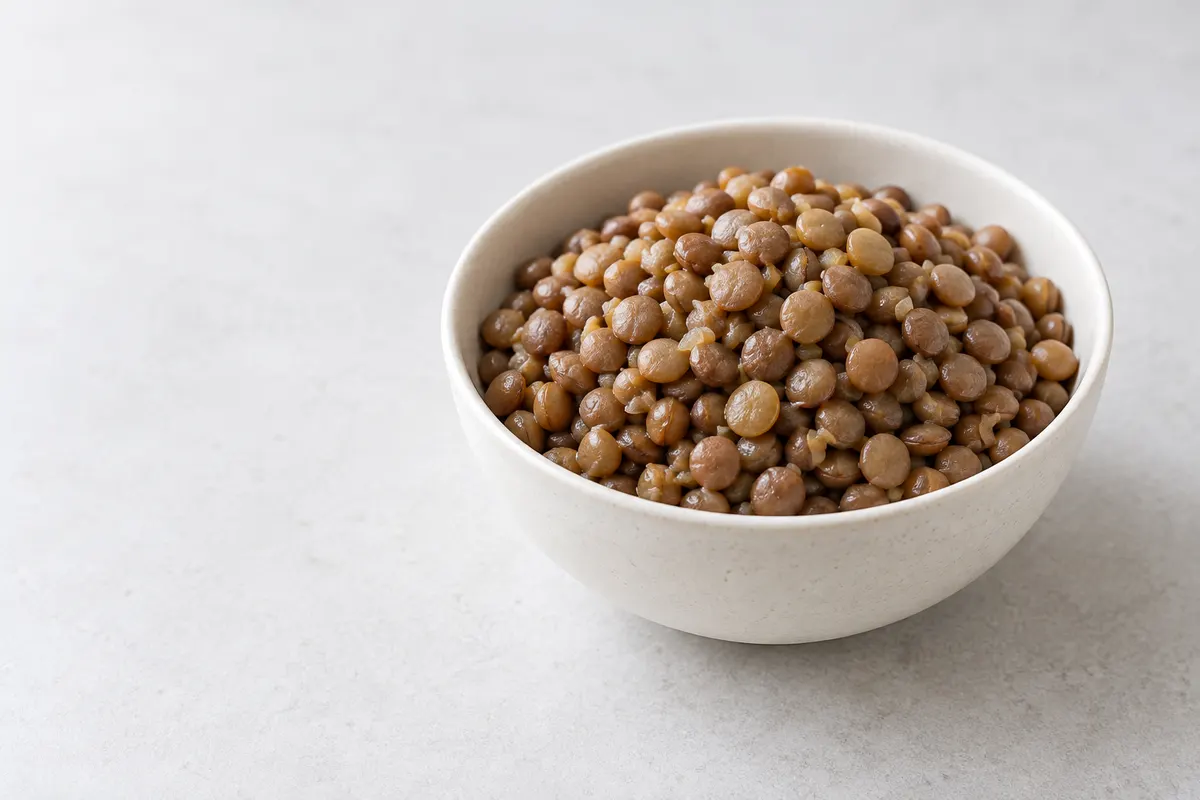 8 g Lentils, cooked ½ cup (99 g)
-
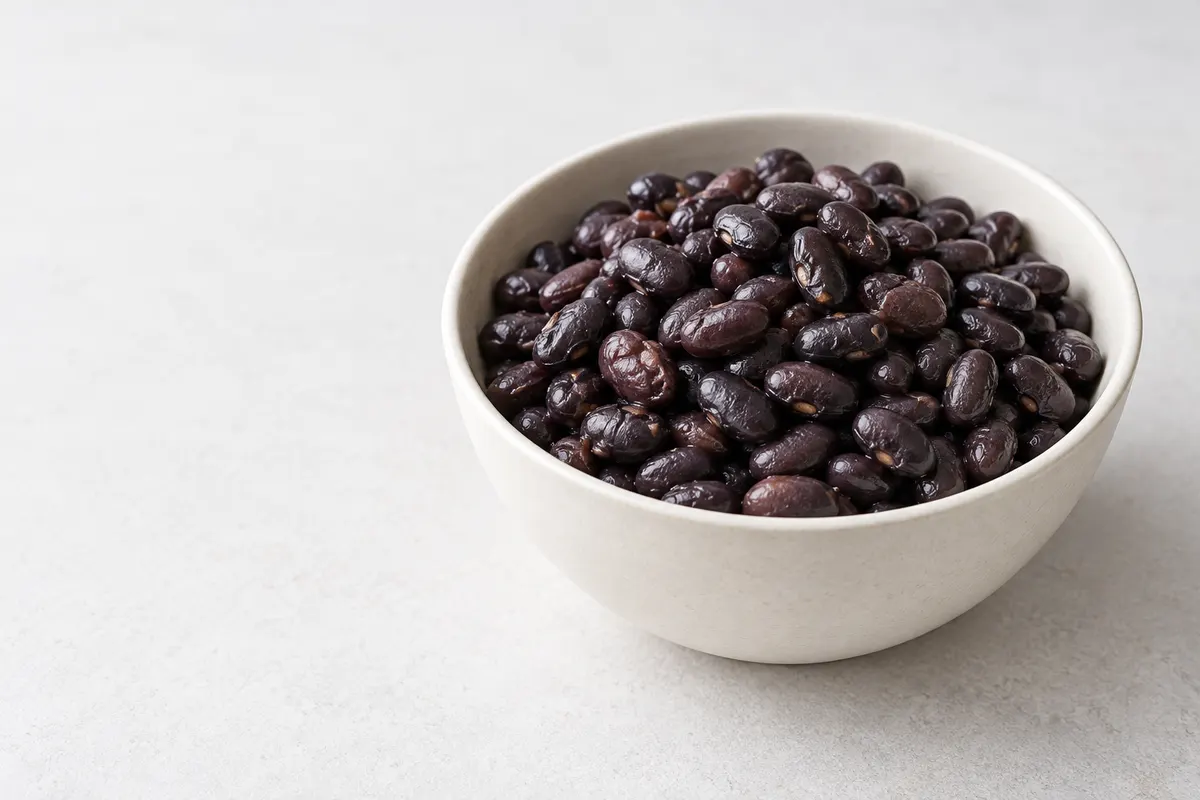 7 g Black beans, cooked ½ cup (86 g)
-
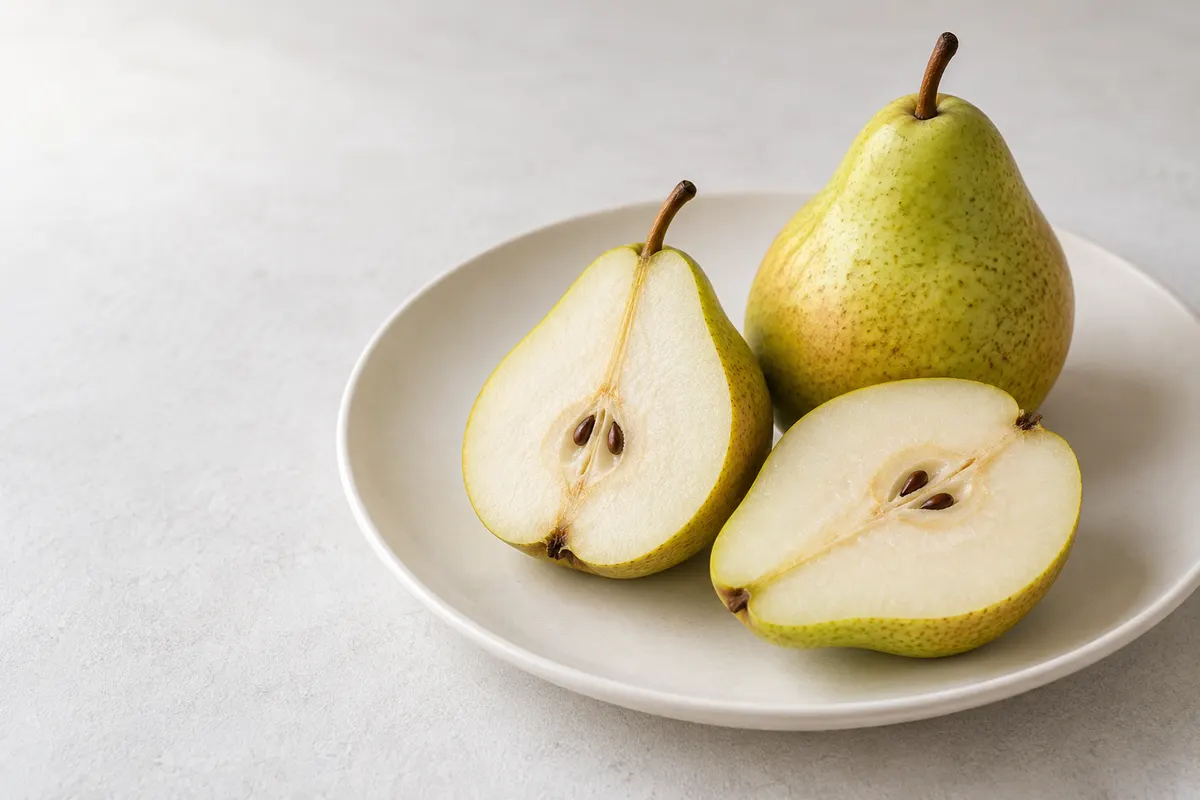 6 g Pear 1 medium pear (178 g)
-
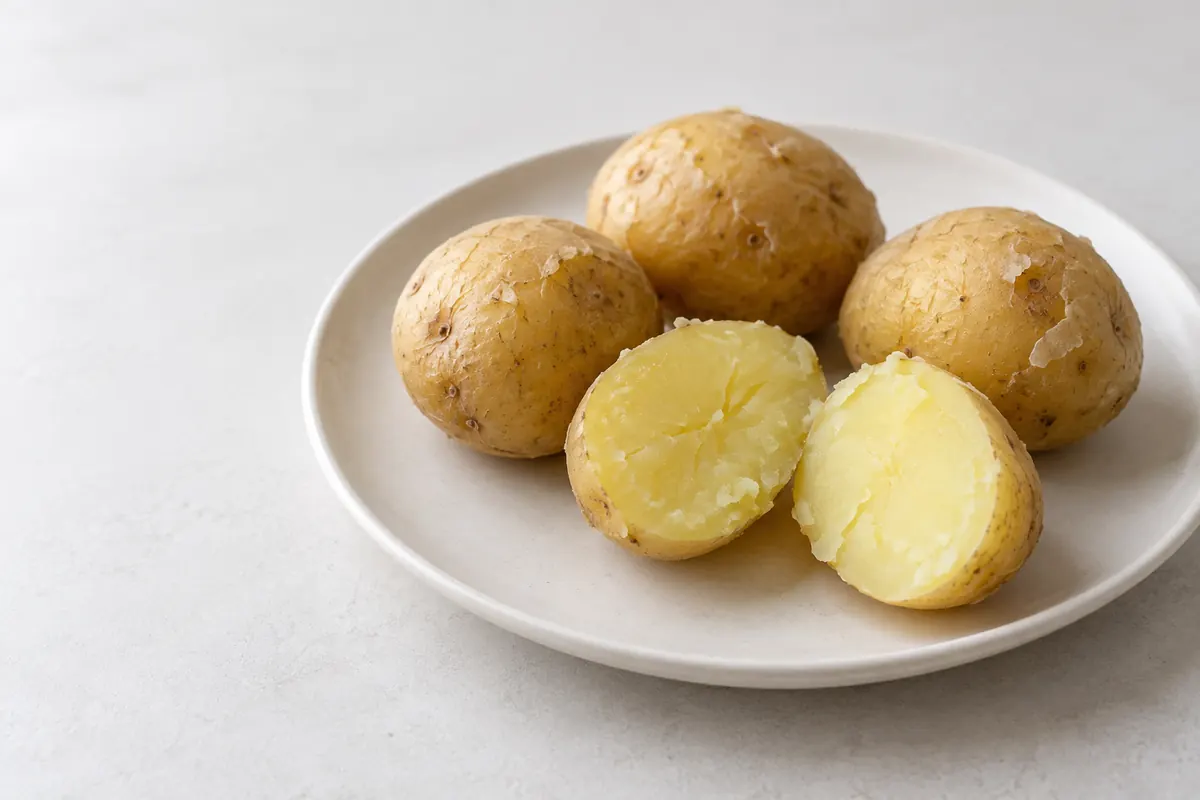 4 g Potato, baked 1 medium potato (173 g)
-
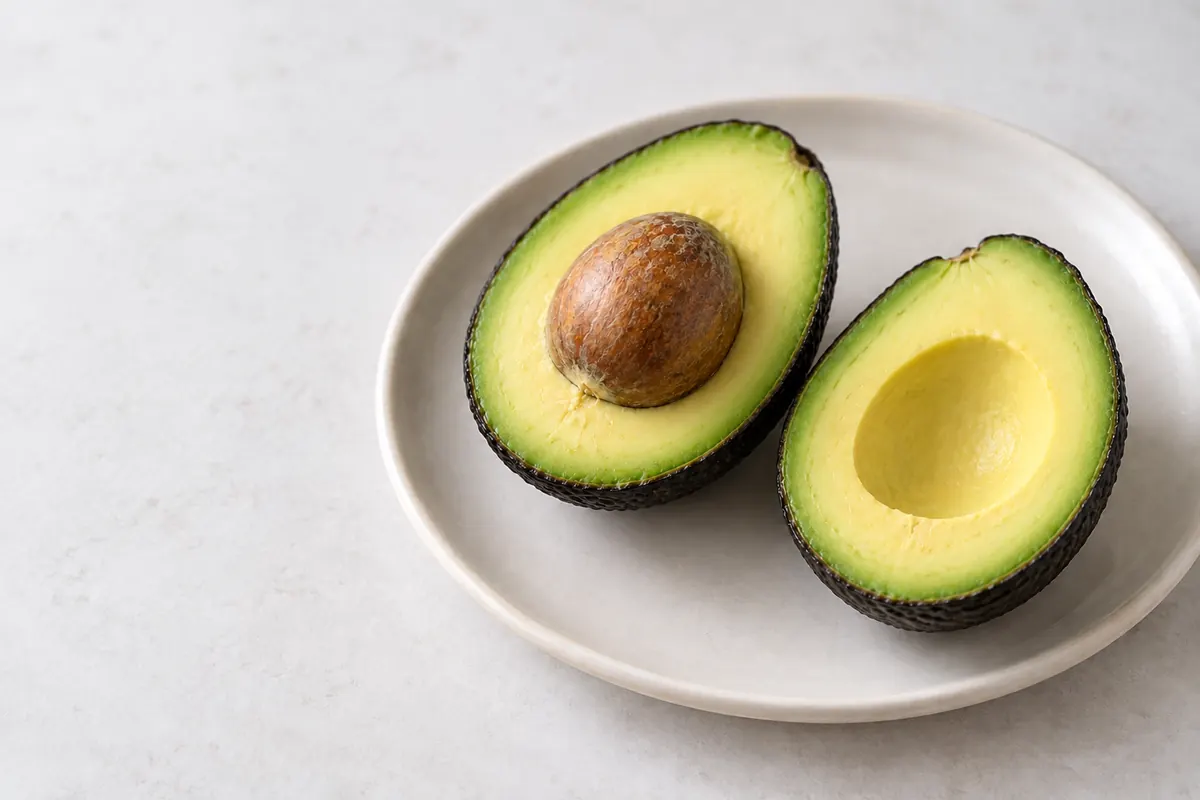 7 g Avocado ½ avocado (100.5 g)
-
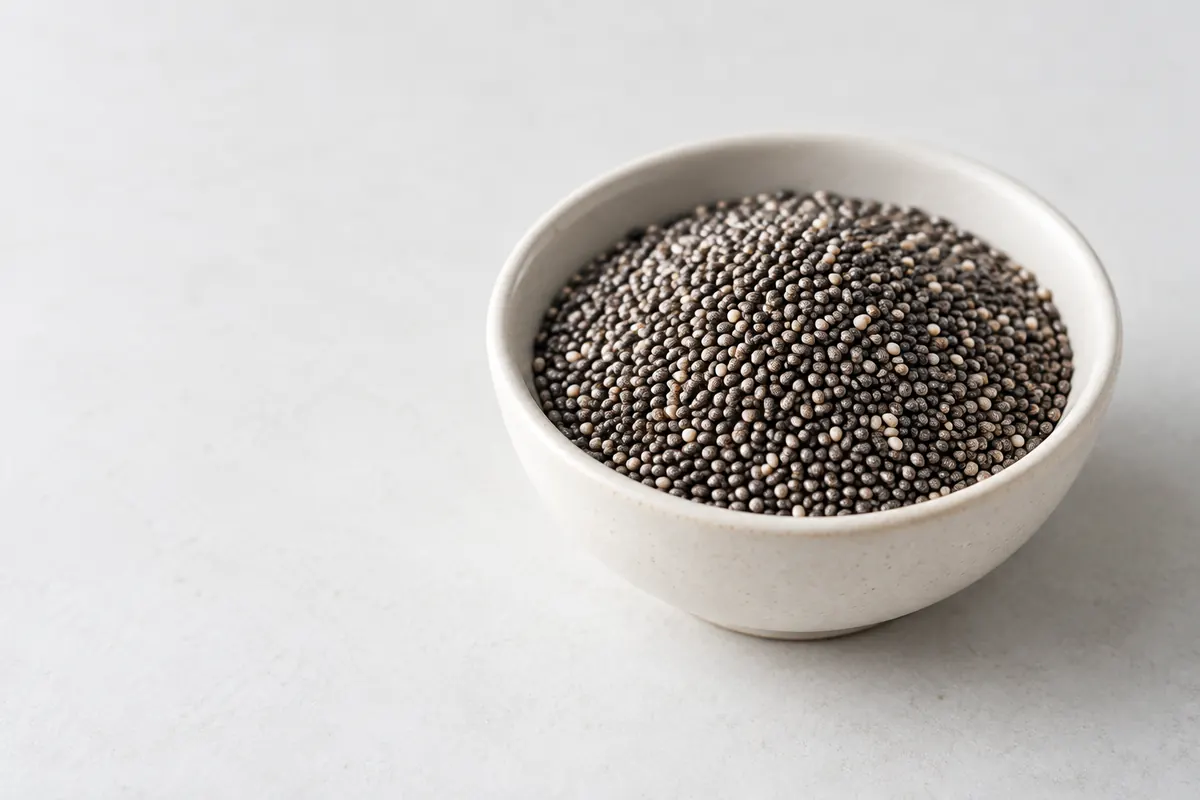 10 g Chia seeds 1 oz (28.35 g)
-
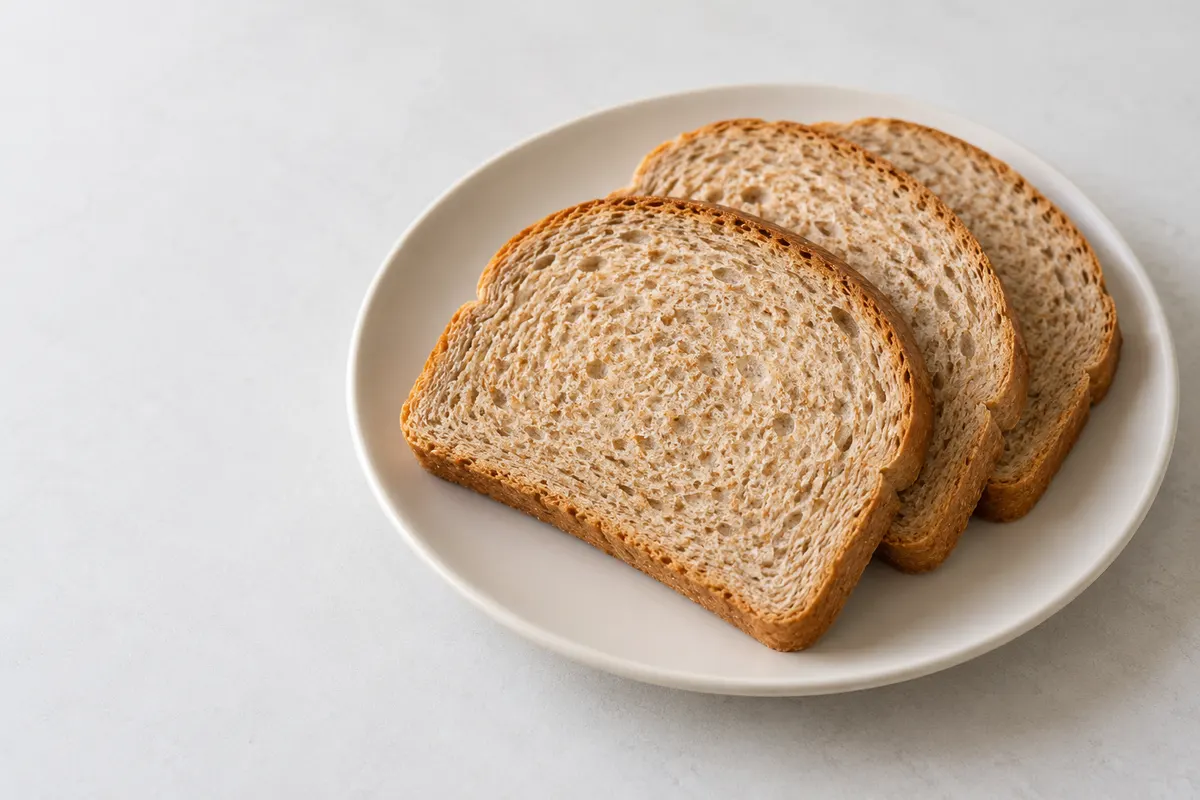 2 g Whole-wheat bread 1 slice (32 g)
Here is one way to spread about 33 g across a day. These are the fiber-containing parts of meals and a snack, not a complete daily menu. Add them to the other foods you eat.
| When | Foods counted | Fiber (g) |
|---|---|---|
| Breakfast | 40 g dry oats, prepared as you like, with 1 cup raspberries | 12.0 |
| Lunch | ½ cup cooked lentils with 2 slices whole-wheat bread | 11.7 |
| Snack | 1 medium pear | 5.5 |
| Dinner | 1 medium baked potato with skin | 3.8 |
| Total from these foods | 33.0 |
This example reaches more than 30 g without any special fiber product. It is still below the U.S. reference of 38 g for men aged 19 to 50, so use the reference that applies to you when you plan the rest of the day.
You can also swap foods. Half a cup of black beans instead of the lentils gives 7.5 g instead of 7.8 g, and the day still comes to about 33 g.
Add fiber to meals you already eat
You do not need to copy the example day. Use it to see how portions add up, then work with your usual meals.
- Choose your reference. Use the adult guidance above that applies to you, and keep the same reference when you compare days.
- Check a familiar day. Look up the fiber in your usual portions on food labels or in the table. Start with what is already there.
- Adjust a meal you already eat. Add lentils to a soup, beans to a rice dish, raspberries to your oats or keep the skin on a baked potato. Choose foods you enjoy.
- Keep the combinations you like. Note the portions and their approximate fiber. You can reuse the numbers when you make the same meal again.
If snacks are where you want more options, see the high fiber snacks list.
Will more fiber keep you full?
Fiber does not burn calories. It also does not guarantee that a meal will keep you full or that you will eat less afterward.
A systematic review by Clark and Slavin found that in short studies, most fiber treatments did not increase fullness or reduce food intake compared with a control. Some did, but the effect was not consistent [4].
That limits what you can expect from adding one fiber source to a meal.
Use your fiber target to plan food choices, not as a promise that hunger will disappear. For building satisfying meals, see how to feel full on fewer calories. Like protein, fiber is easiest to plan in grams.
Check fiber alongside the rest of your meals
Choose one meal you already eat and check how much fiber it gives. Then decide whether you want to change anything. The table and the example above are enough to start.
On the Today screen, ClariMeal shows the calories and macros of your logged meals against your daily targets. You can log a meal by photo, search or barcode; a photo is sent for analysis only with your consent, and you review and correct the estimate before logging.
Log Your Next MealLog Your Next Meal
Sources
- Institute of Medicine. Dietary Reference Intakes for Energy, Carbohydrate, Fiber, Fat, Fatty Acids, Cholesterol, Protein, and Amino Acids. National Academies Press, 2005. doi.org/10.17226/10490 ↑
- EFSA Panel on Dietetic Products, Nutrition and Allergies. Scientific Opinion on Dietary Reference Values for carbohydrates and dietary fibre. EFSA Journal 2010;8(3):1462. doi.org/10.2903/j.efsa.2010.1462 ↑
- U.S. Department of Agriculture, Agricultural Research Service. FoodData Central. fdc.nal.usda.gov ↑
- Clark MJ, Slavin JL. The effect of fiber on satiety and food intake: a systematic review. Journal of the American College of Nutrition 2013;32(3):200-211. doi.org/10.1080/07315724.2013.791194 ↑