Ballaststoffreiche Lebensmittel
Ballaststoffe pro 100 g in Lebensmitteln für jeden Tag. Nährwerte: BLS, dieselbe Datenbank wie in der ClariMeal App.
Beliebte Auswahl · pro 100 g
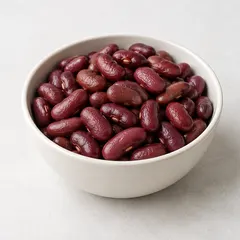
- 11,1g Kidneybohnengekocht
- 10,6g Kichererbsengekocht
- 9,0g Sojabohnengekocht
- Ballaststoffe, pro 100 g
- Chiasamen 479 kcal 40,2 g 479
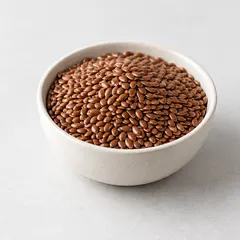
- Leinsamen 470 kcal 22,7 g 470
- Kidneybohnen gekocht · 129 kcal 11,1 g 129
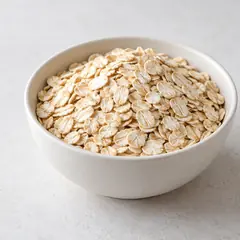
- Haferflocken 348 kcal 11,0 g 348
- Kichererbsen gekocht · 151 kcal 10,6 g 151
- Vollkornbrot 210 kcal 10,0 g 210
- Mandeln 544 kcal 10,0 g 544
- Pumpernickel 176 kcal 9,4 g 176
- Sojabohnen gekocht · 157 kcal 9,0 g 157
- Dicke Bohnen gekocht · 118 kcal 9,0 g 118
- Trockenerbsen gekocht · 117 kcal 8,5 g 117
- Haselnüsse 667 kcal 7,6 g 667
- Linsen gekocht · 119 kcal 7,2 g 119
- Weiße Bohnen gekocht · 131 kcal 6,9 g 131
- Grüne Erbsen gekocht · 87 kcal 5,9 g 87
- Himbeeren roh · 43 kcal 4,7 g 43
- Avocado roh · 132 kcal 4,1 g 132
- Rosenkohl gekocht · 47 kcal 4,0 g 47
- Vollkornnudeln gekocht · 130 kcal 3,9 g 130
- Grünkohl gekocht · 38 kcal 3,5 g 38
- Brombeeren roh · 49 kcal 3,2 g 49
- Quinoa gekocht · 104 kcal 3,1 g 104
- Birne roh · 58 kcal 2,8 g 58
- Brokkoli gekocht · 33 kcal 2,7 g 33
- Ballaststoffe, pro 100 kcal
- Himbeeren roh · 43 kcal 10,9 g 43
- Grünkohl gekocht · 38 kcal 9,2 g 38
- Kidneybohnen gekocht · 129 kcal 8,6 g 129
- Rosenkohl gekocht · 47 kcal 8,5 g 47
- Chiasamen 479 kcal 8,4 g 479
- Brokkoli gekocht · 33 kcal 8,3 g 33
- Dicke Bohnen gekocht · 118 kcal 7,6 g 118
- Trockenerbsen gekocht · 117 kcal 7,3 g 117
- Kichererbsen gekocht · 151 kcal 7,0 g 151
- Grüne Erbsen gekocht · 87 kcal 6,8 g 87
- Brombeeren roh · 49 kcal 6,5 g 49
- Linsen gekocht · 119 kcal 6,1 g 119
- Sojabohnen gekocht · 157 kcal 5,8 g 157
- Pumpernickel 176 kcal 5,3 g 176
- Weiße Bohnen gekocht · 131 kcal 5,3 g 131
- Leinsamen 470 kcal 4,8 g 470
- Birne roh · 58 kcal 4,8 g 58
- Vollkornbrot 210 kcal 4,8 g 210
- Haferflocken 348 kcal 3,2 g 348
- Avocado roh · 132 kcal 3,1 g 132
- Vollkornnudeln gekocht · 130 kcal 3,0 g 130
- Quinoa gekocht · 104 kcal 3,0 g 104
- Mandeln 544 kcal 1,8 g 544
- Haselnüsse 667 kcal 1,1 g 667
Wie viele Ballaststoffe du aus 100 Kalorien eines Lebensmittels bekommst. 100 Kalorien Brokkoli sind ein großer Teller, bei Mandeln eine Handvoll.
ClariMeal herunterladen ClariMeal herunterladen
Quellen. Max Rubner-Institut: Bundeslebensmittelschlüssel BLS 4.0, lizenziert unter CC BY 4.0. Änderungen durch ClariMeal: Auswahl der Einträge, gekürzte Bezeichnungen, Umrechnung pro 100 kcal, Rundung. Werte pro 100 g verzehrbarer Anteil. BLS 4.0 (DOI) · CC BY 4.0. Seite aktualisiert .
Fragen
Wie viele Ballaststoffe brauche ich am Tag?
Für Erwachsene nennt die Deutsche Gesellschaft für Ernährung mindestens 30 g Ballaststoffe pro Tag als Richtwert.
Warum haben gekochte Hülsenfrüchte weniger Ballaststoffe als getrocknete?
Beim Kochen nehmen Hülsenfrüchte Wasser auf, 100 g gekochte enthalten deshalb weniger Ballaststoffe. Die Tabelle zeigt Lebensmittel so, wie man sie meist isst.