Calories in Drinks: Soda, Juice, Beer, Wine and Coffee
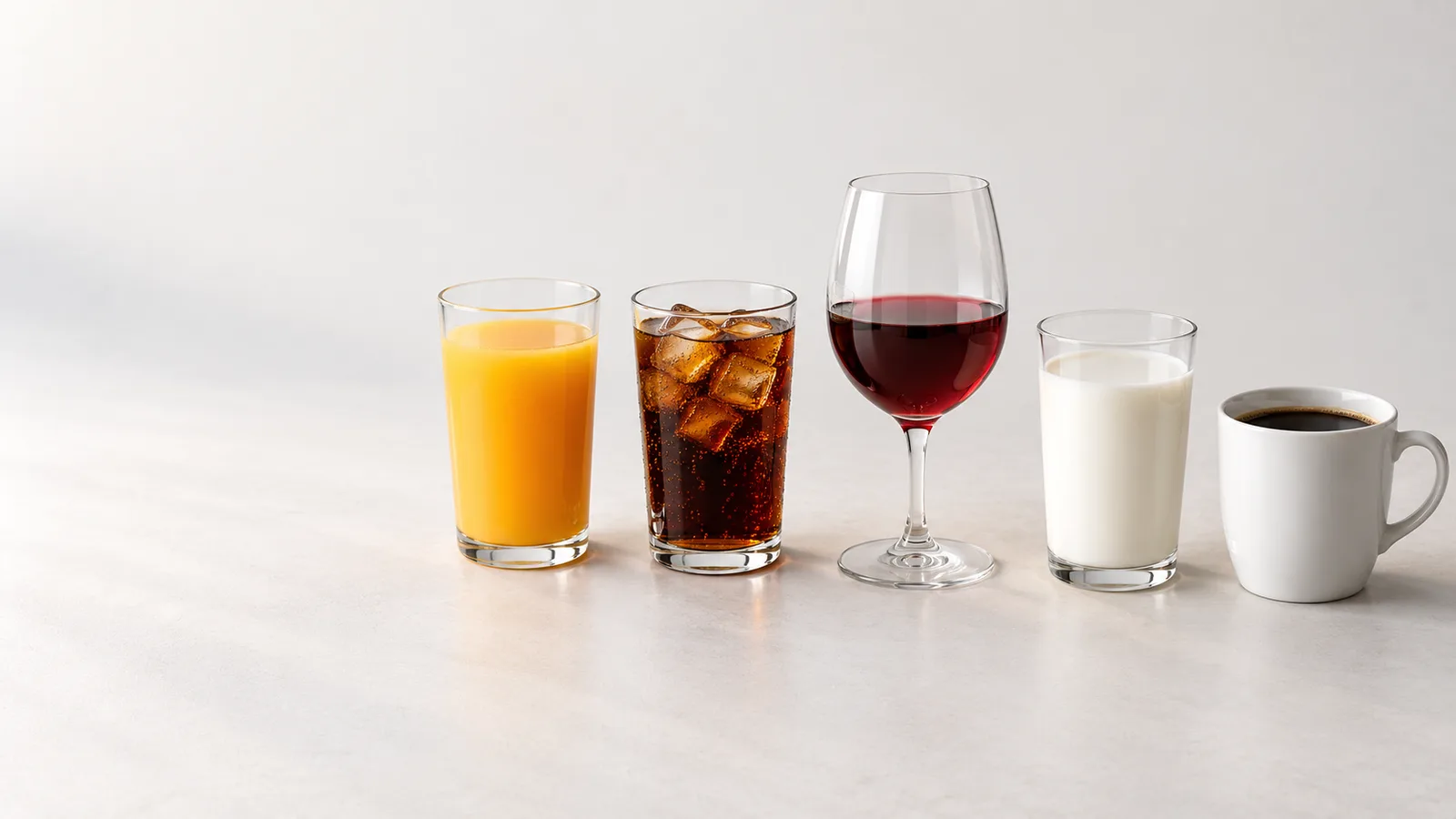
A 12 fl oz can of cola has 155 kcal. A cup of brewed black coffee has 2 kcal [1]. Both belong in a calorie diary, but the drink and the portion make a large difference.
If you are trying to lose weight and want a complete diary, include what you drink alongside what you eat.
But a drink with lunch, an afternoon refill or milk added to coffee is easy to leave out. The aim is to make those entries part of your routine, without giving up a drink you enjoy.
Calories in common drinks
-
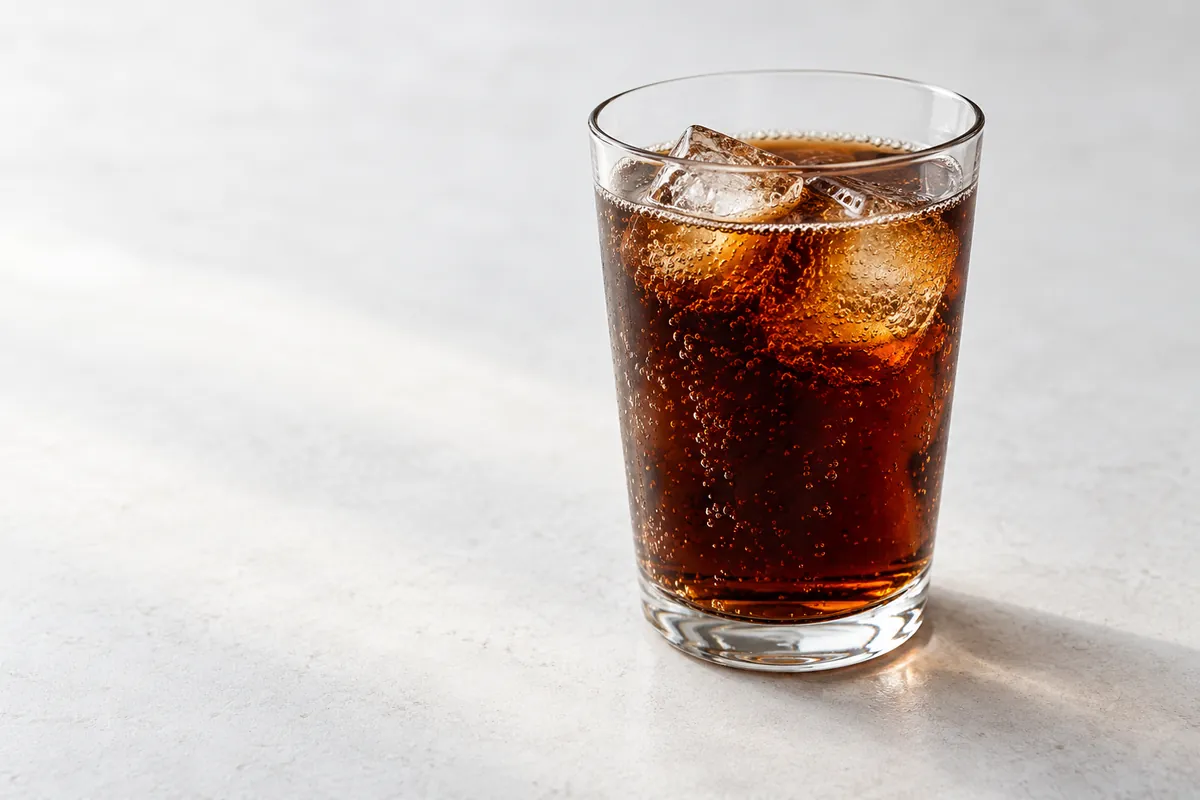 155 kcal Cola 1 can or bottle, 12 fl oz (370 g)
-
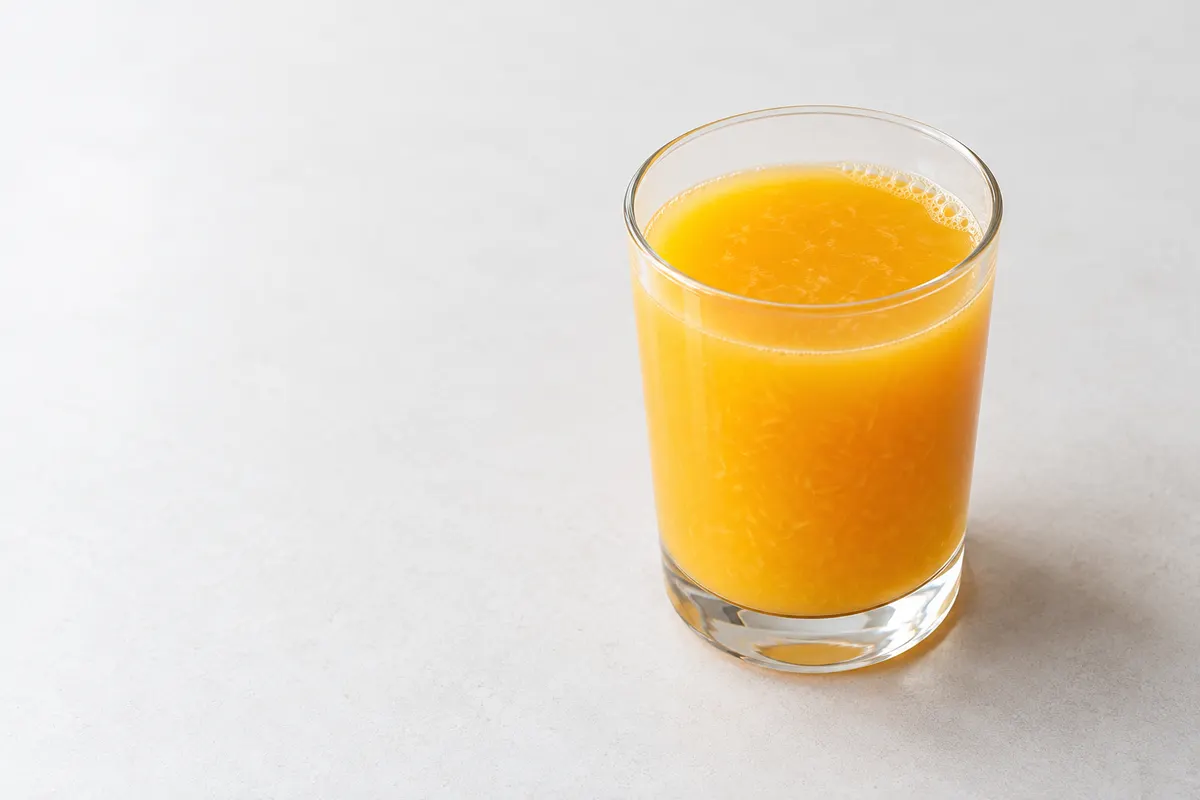 112 kcal Orange juice 1 cup (248 g)
-
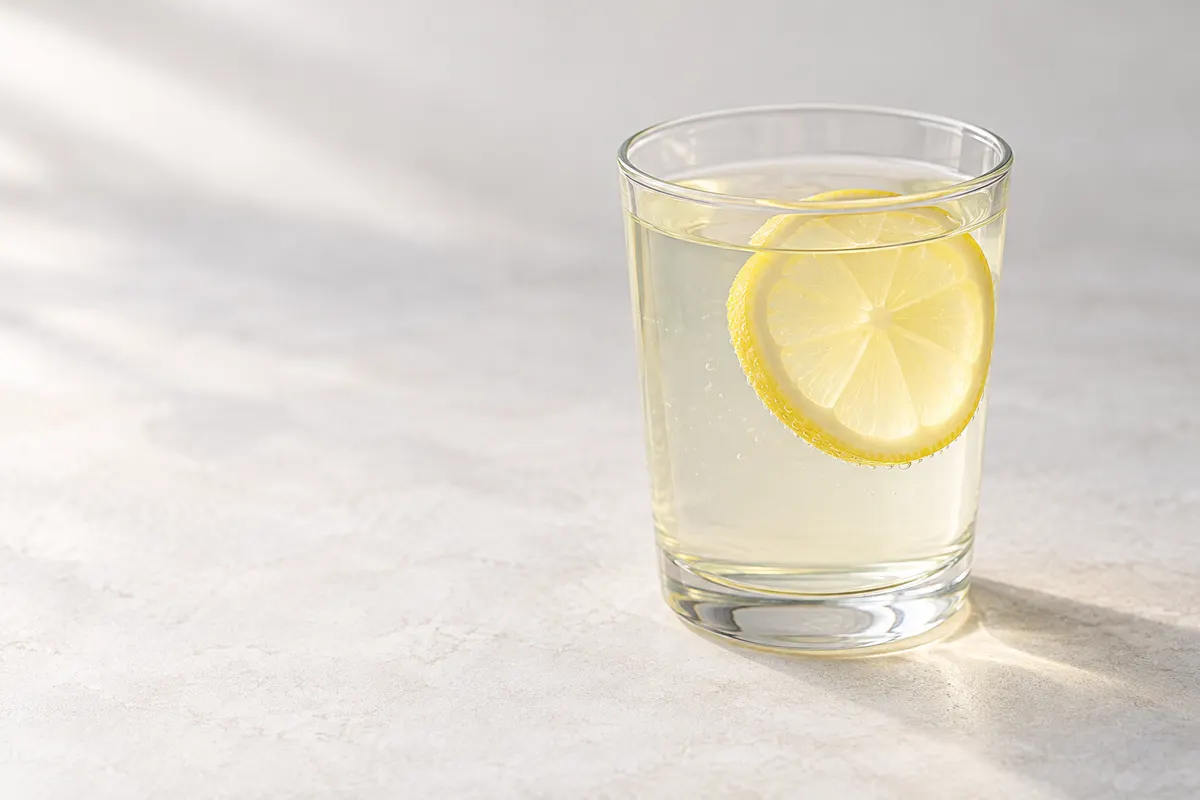 99 kcal Lemonade 1 cup 8 fl oz (247 g)
-
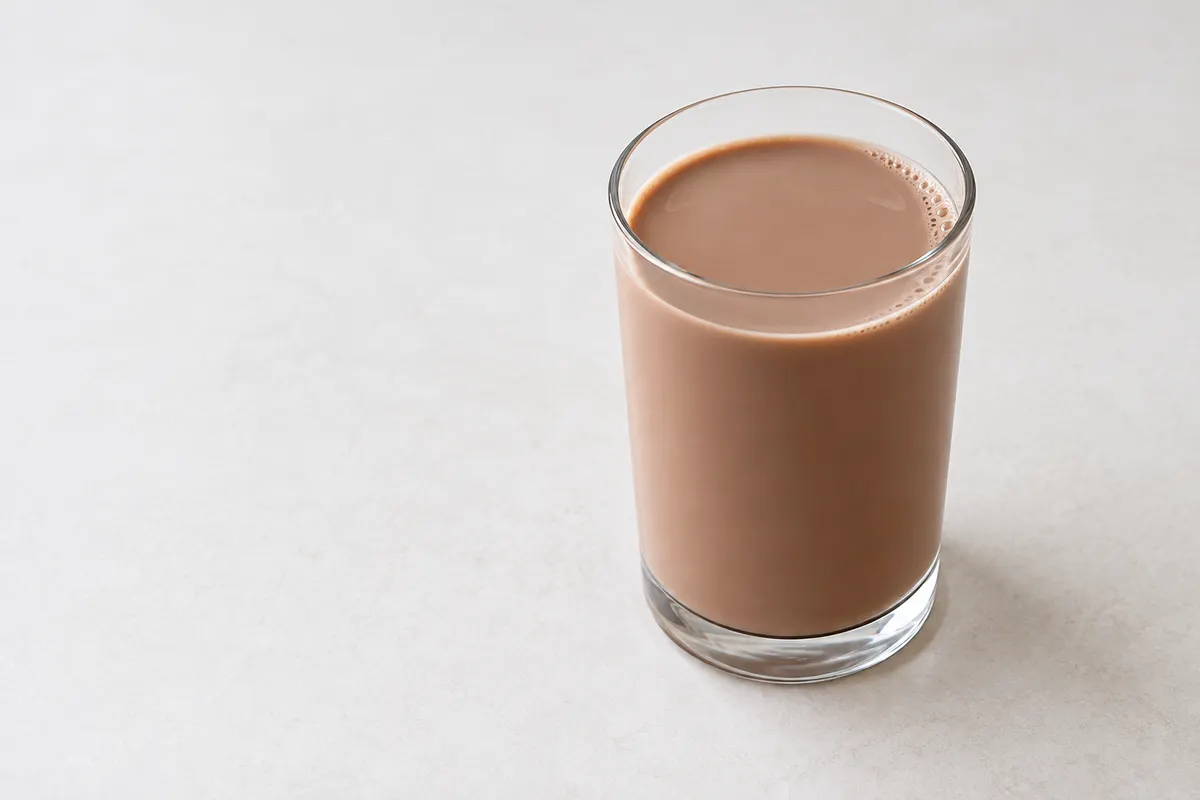 208 kcal Chocolate milk 1 cup (250 g)
-
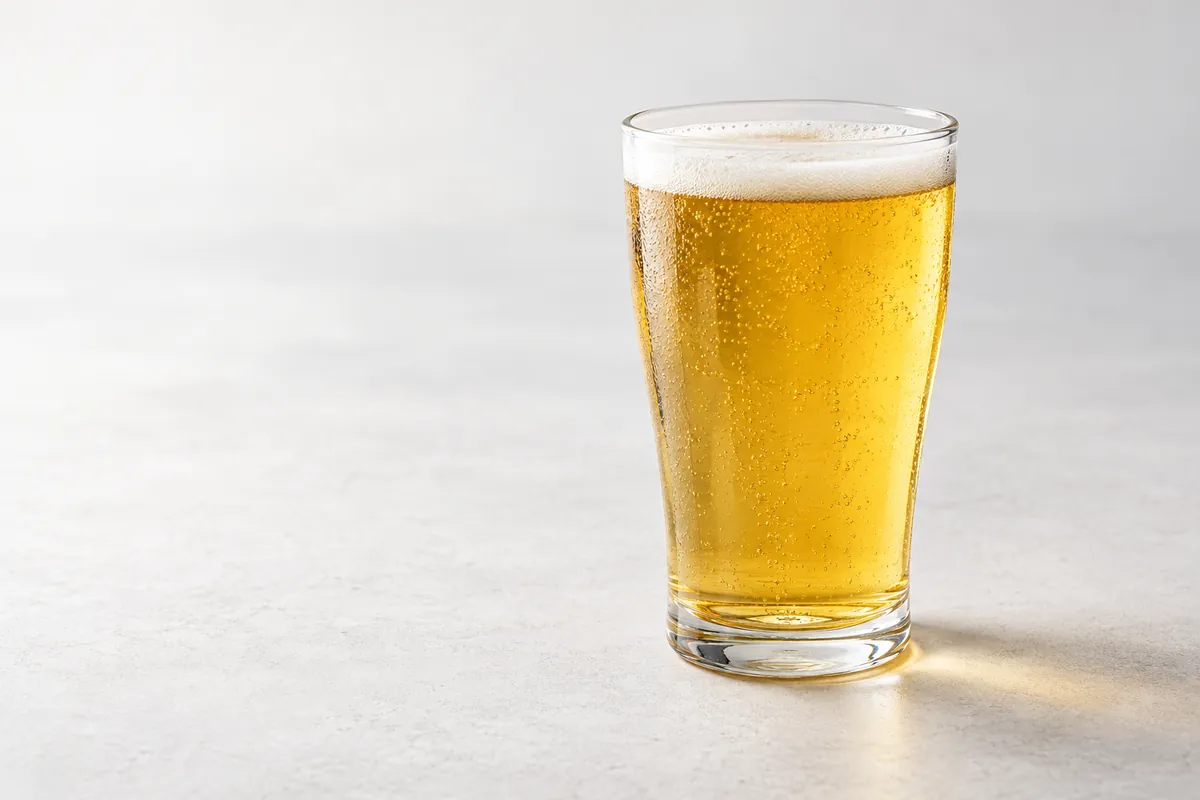 153 kcal Beer 1 can, 12 fl oz (356 g)
-
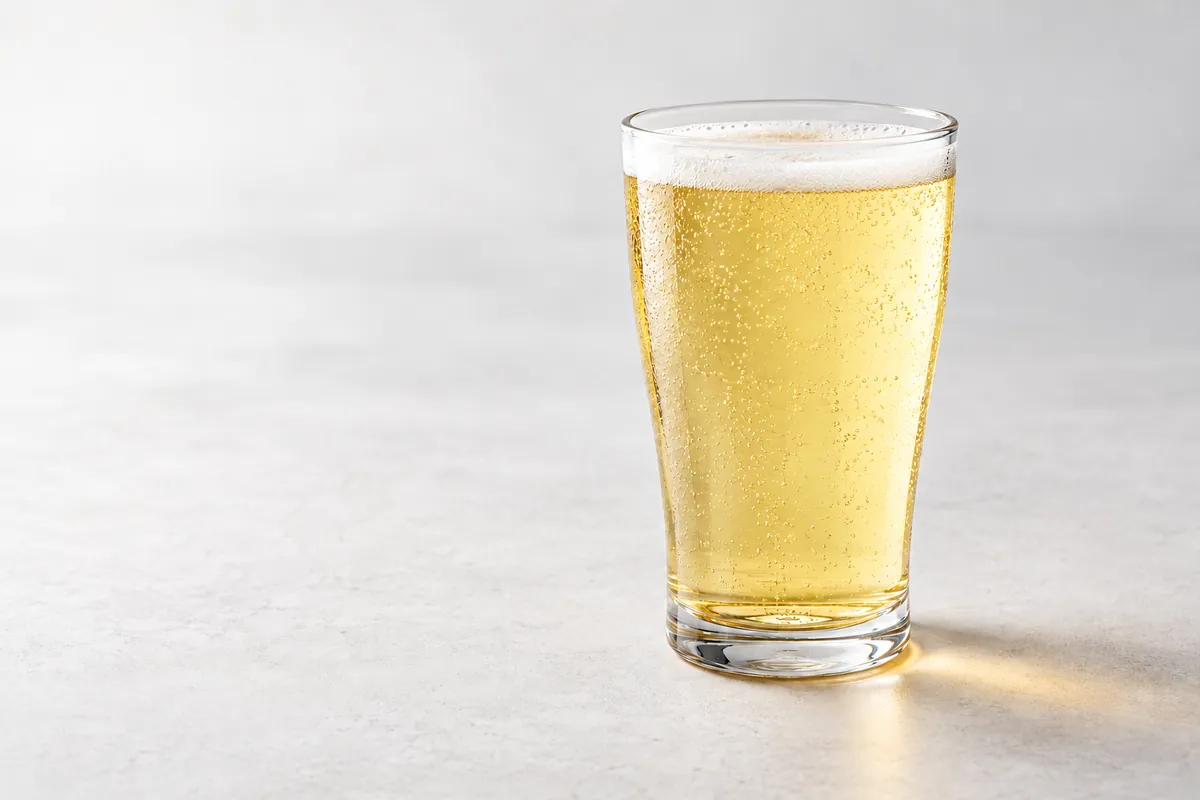 103 kcal Light beer 1 can or bottle, 12 fl oz (354 g)
-
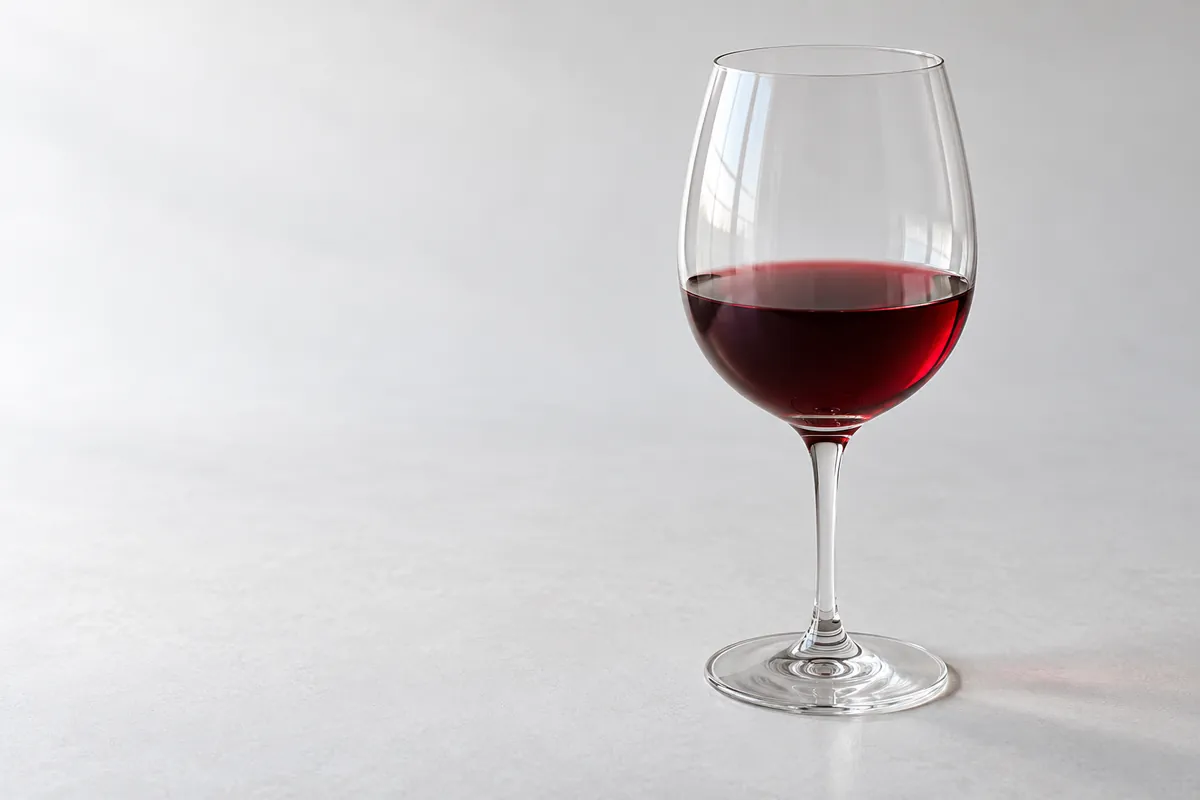 125 kcal Red wine 1 serving, 5 fl oz (147 g)
-
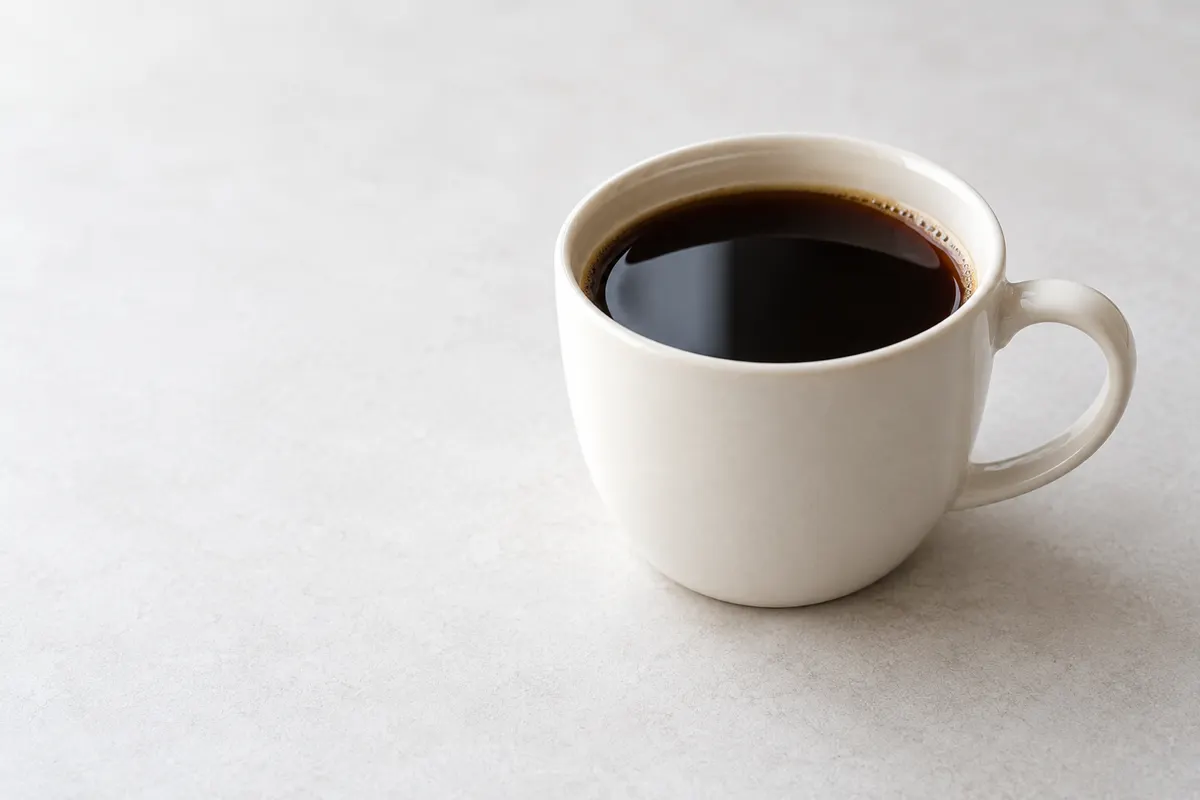 2 kcal Coffee, black 1 cup, 8 fl oz (237 g)
These are reference values for the listed portions; cups and fluid ounces are U.S. measures. Your product, recipe and pour may differ, so use its label or recipe when you have it [1].
Why drinks are easy to miss
A meal has a clear moment when you sit down to eat. A drink may stay on your desk while you sip, or arrive with a meal and be forgotten when you log the food.
Refills make the amount harder to remember. Coffee additions create another gap: an entry for black coffee does not include the milk, sugar or syrup you add.
Log the drink when you pour or order it, then update the amount if you have more or leave some. There is no need to log every sip.
Do liquid calories fill you up?
A small study gives a reason not to assume that calories in a drink will make you eat less later. Fifteen adults had the same daily amount of carbohydrate energy as soda or as jelly beans, for four weeks each [2].
With the jelly beans, they ate less of their other food. With the soda, they did not, so their total daily energy rose by about the energy in the soda [2].
This was a small, short study of two specific products, and reported hunger did not change, so it does not show that every drink fills you less than solid food. The practical point is narrower: log a drink even when it does not change how hungry you feel.
Soda, lemonade and added sugars
A can of cola has 155 kcal and a cup of lemonade 99 kcal [1]. These are values for those drinks and portions, not a rule for every soda or homemade recipe.
The Dietary Guidelines for Americans 2020–2025 list sugar-sweetened beverages and sweetened coffee and tea among the main sources of added sugars in typical U.S. diets, alongside desserts, sweet snacks and candy [3].
For logging, use the drink's total calories. The sugar is already in a packaged drink's calorie value and does not need a second entry.
Juice, milk and other everyday drinks
"Unsweetened" does not mean calorie-free. Juice without added sugar, milk and milk alternatives all have calories, so match the entry to the type you drink [1]:
- Orange juice, 1 cup: 112 kcal; unsweetened apple juice, 1 cup: 114 kcal.
- Whole milk, 1 cup: 149 kcal; whole chocolate milk, 1 cup: 208 kcal.
- Low-fat kefir, 1 cup: 104 kcal; soy milk, 1 cup: 131 kcal; unsweetened almond milk, 1 cup: 39 kcal.
- Coconut water, 1 cup: 44 kcal; a vanilla milkshake, 11 oz: 351 kcal.
The portions are not all the same size, so check both the description and the amount. For juice, check whether the label describes juice or a sweetened juice drink; for milk drinks, check the milk type and any added ingredients.
Coffee and tea: include the additions
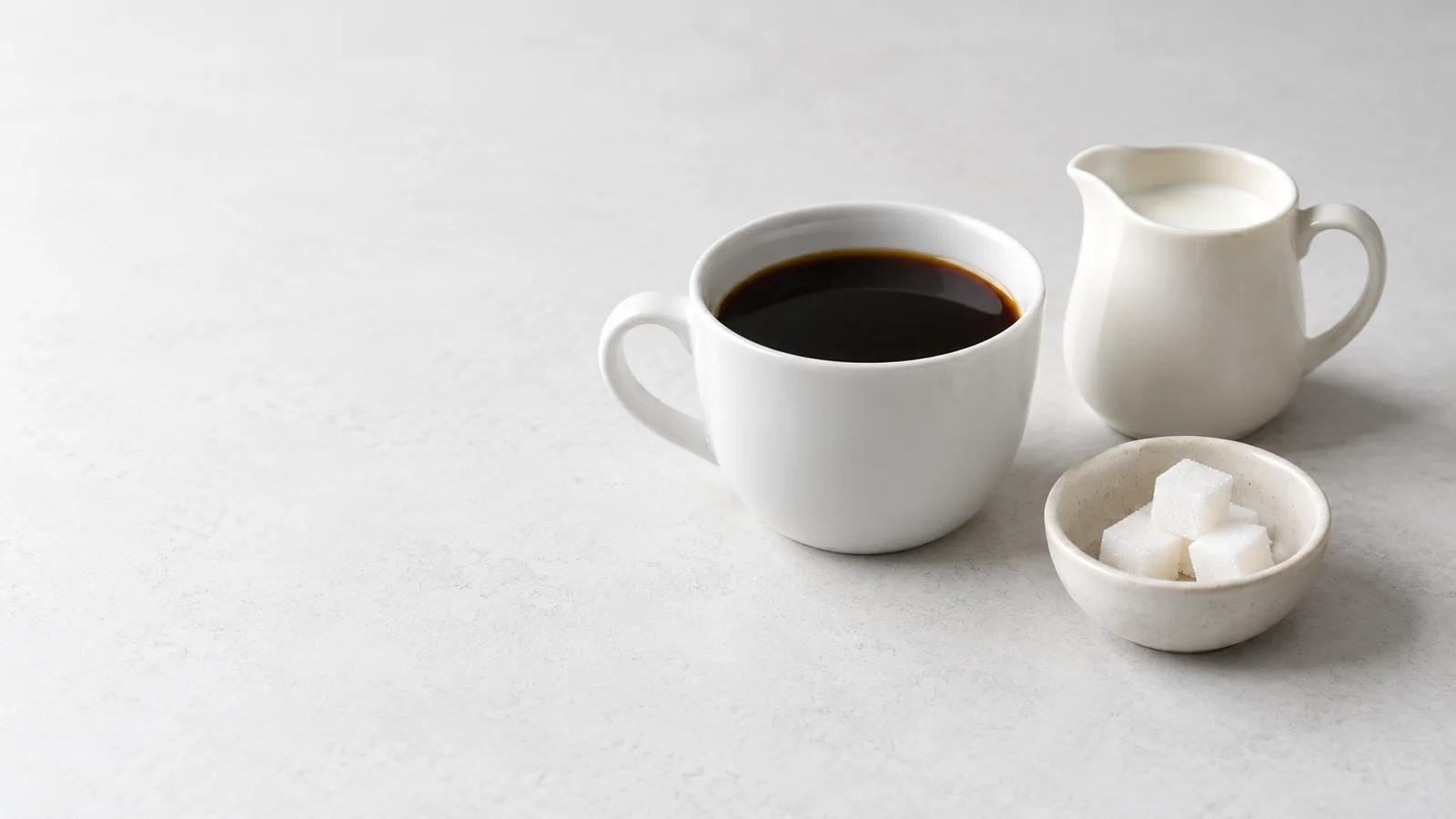
Brewed black coffee and black tea have about 2 kcal per cup before anything is added [1].
At home, log the plain drink and the milk, sugar or syrup separately. Once you have entered your usual cup, save it as a meal so you can log it again.
For a coffee-shop drink, use the published nutrition information for the size and recipe you ordered when it exists. If it does not, estimate the milk and additions rather than choosing a black-coffee entry. A complete prepared-drink entry may already include them, so check before adding them again. The same approach works for drinks when you eat out.
Beer and wine: size and strength matter
A 12 fl oz can of regular beer has 153 kcal and light beer 103 kcal. A 5 fl oz glass of red wine has 125 kcal and white wine 121 kcal [1].
Alcohol itself gives 7 kcal per gram [4]. Beer and wine also contain carbohydrate, so their calories do not come from sugar alone.
A U.S. standard drink contains about 14 g of pure alcohol, for example 12 fl oz of regular beer at 5% alcohol or 5 fl oz of wine at 12% [5]. That defines an amount of alcohol, not a calorie value.
A stronger drink has more alcohol in the same volume, and a home or restaurant pour may differ from the reference portion, so check the strength and the amount. If you log the whole drink's calories, do not add its alcohol calories again.
For spirits or cocktails, use the nutrition information if it exists, or an entry built from the ingredients and the amount poured. A generic "one drink" entry may not describe what was in your glass.
Holiday and New Year drinks
A cup of eggnog has 224 kcal, and a cup of hot chocolate made with whole milk 226 kcal [1].
At a holiday meal or a New Year gathering, log the glass you had and any refills. For a homemade drink, use the recipe if you know it, and check whether your entry already includes added alcohol or toppings before logging them separately. When you log Thanksgiving, Christmas dinner or another holiday meal, include the drinks with the food.
How to log drinks in four steps
- Choose the matching drink. Use the label, a matching entry or the recipe. For a drink not listed here, check those sources rather than borrowing a number from a different drink.
- Enter your amount. Start with the amount poured, then adjust for anything left. When an EU drink label gives calories per 100 ml, scale that value to your portion [4]. The guide to reading a nutrition label explains how.
- Include refills and additions. Update the amount or add a refill entry. Add milk, sugar or syrup only when the drink entry does not already include them.
- Save a usual drink. If you make the same coffee every morning, save its ingredients and amounts as a meal, and edit it when the recipe changes.
With drinks included, your daily total is a more complete record, and you can compare it with your target without wondering what is missing.
Drinks in ClariMeal
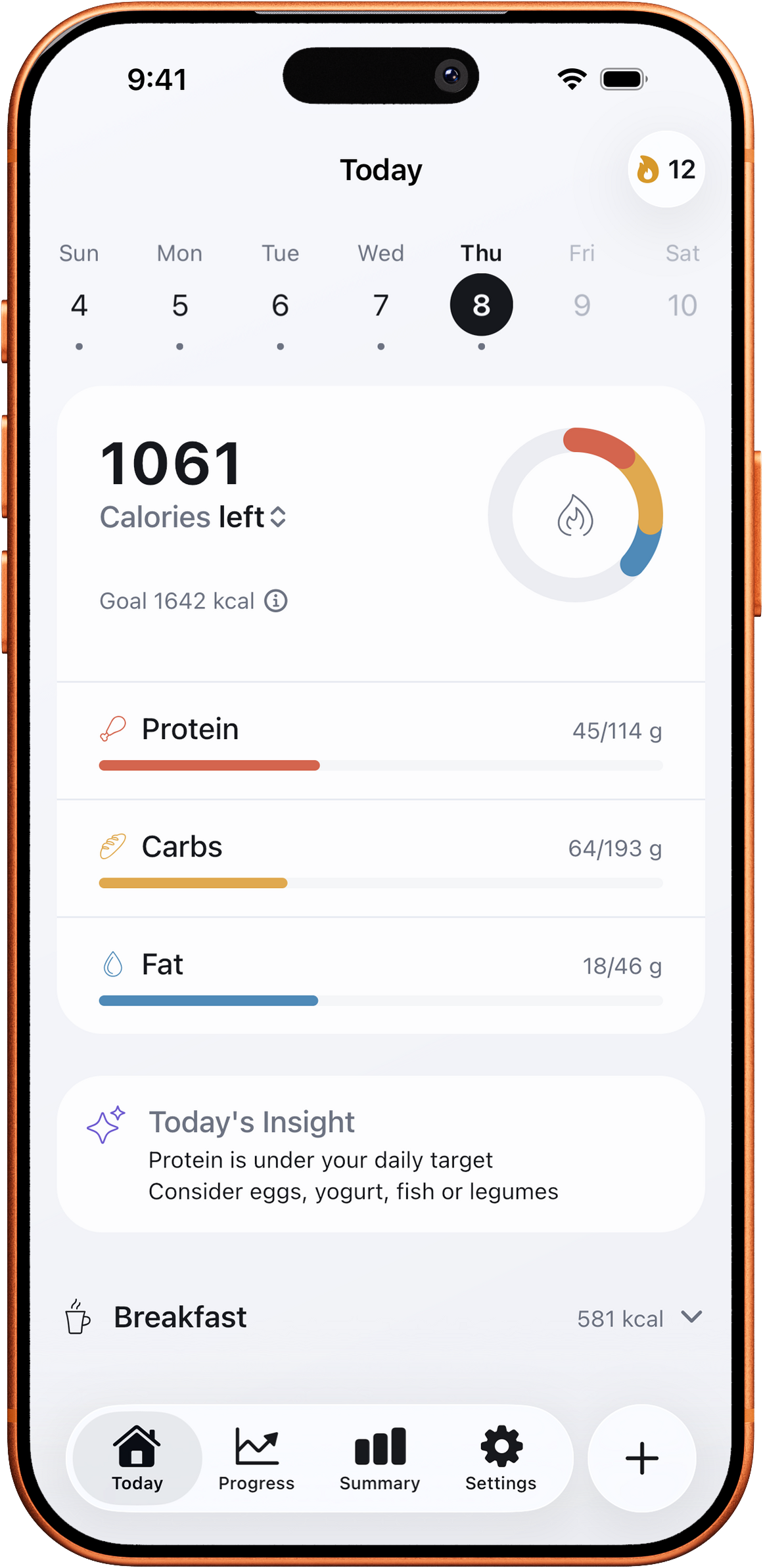
In ClariMeal, you can save your usual drink as a meal and log it again, and the Today screen shows your daily calorie total against your target. You can log food and drinks by search, barcode or photo; a photo is sent for analysis only with your consent, and you review and correct the estimate before logging.
Log Your Usual DrinkLog Your Usual Drink
Sources
- U.S. Department of Agriculture, Agricultural Research Service. FoodData Central. fdc.nal.usda.gov ↑
- DiMeglio DP, Mattes RD. Liquid versus solid carbohydrate: effects on food intake and body weight. International Journal of Obesity and Related Metabolic Disorders 2000;24(6):794-800. doi.org/10.1038/sj.ijo.0801229 ↑
- U.S. Department of Agriculture and U.S. Department of Health and Human Services. Dietary Guidelines for Americans, 2020–2025, Chapter 1, Added Sugars. dietaryguidelines.gov ↑
- European Union. Regulation (EU) No 1169/2011 on the provision of food information to consumers, Article 32 and Annex XIV. eur-lex.europa.eu ↑
- National Institute on Alcohol Abuse and Alcoholism. What Is A Standard Drink? niaaa.nih.gov ↑