How Many Calories Are in a Thanksgiving Dinner?
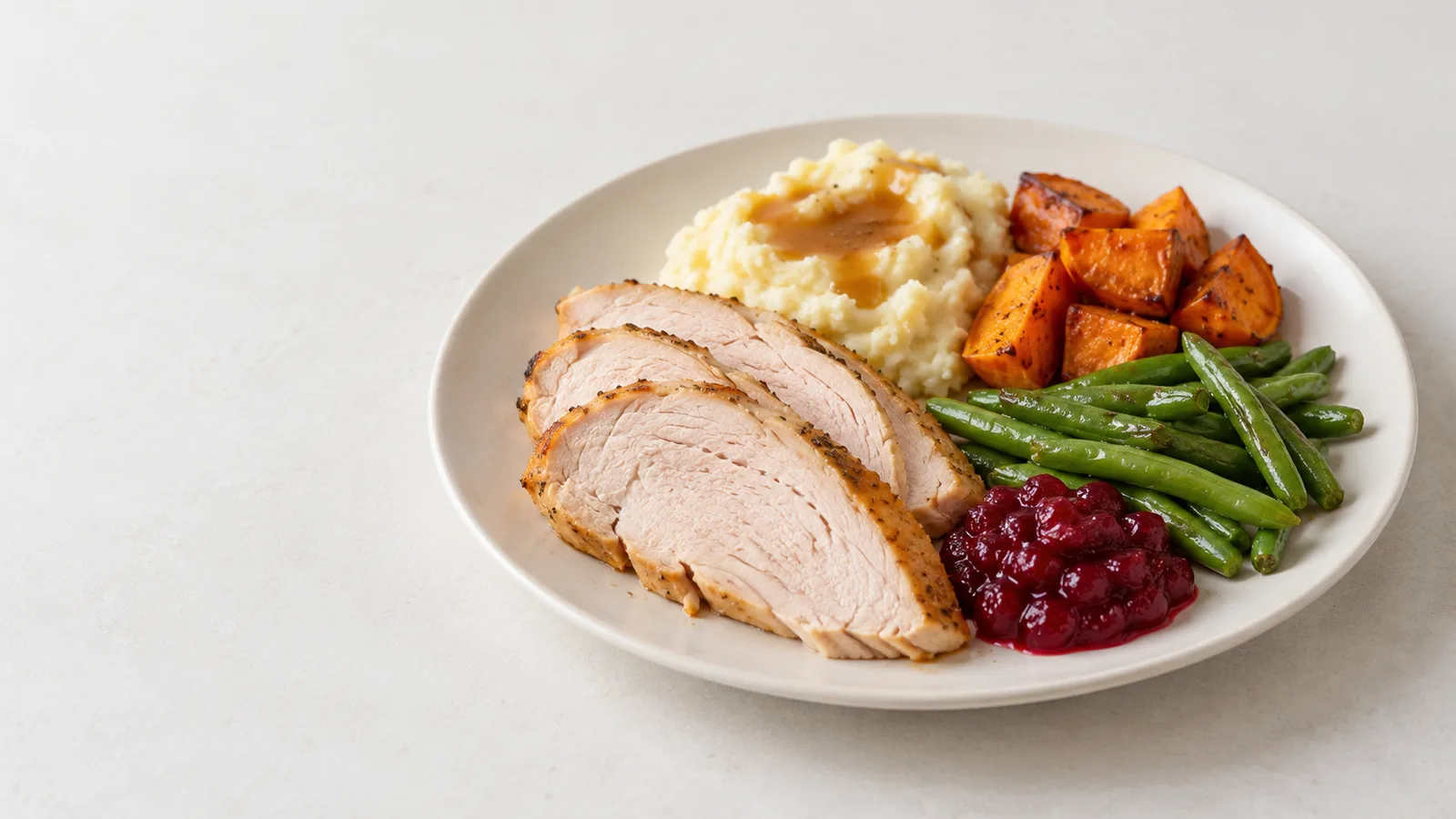
A slice of pumpkin pie (133 g) has 323 kcal, while a slice of pecan pie of the same weight has 541 kcal [1]. These are reference values for those portions; your slice and recipe may differ.
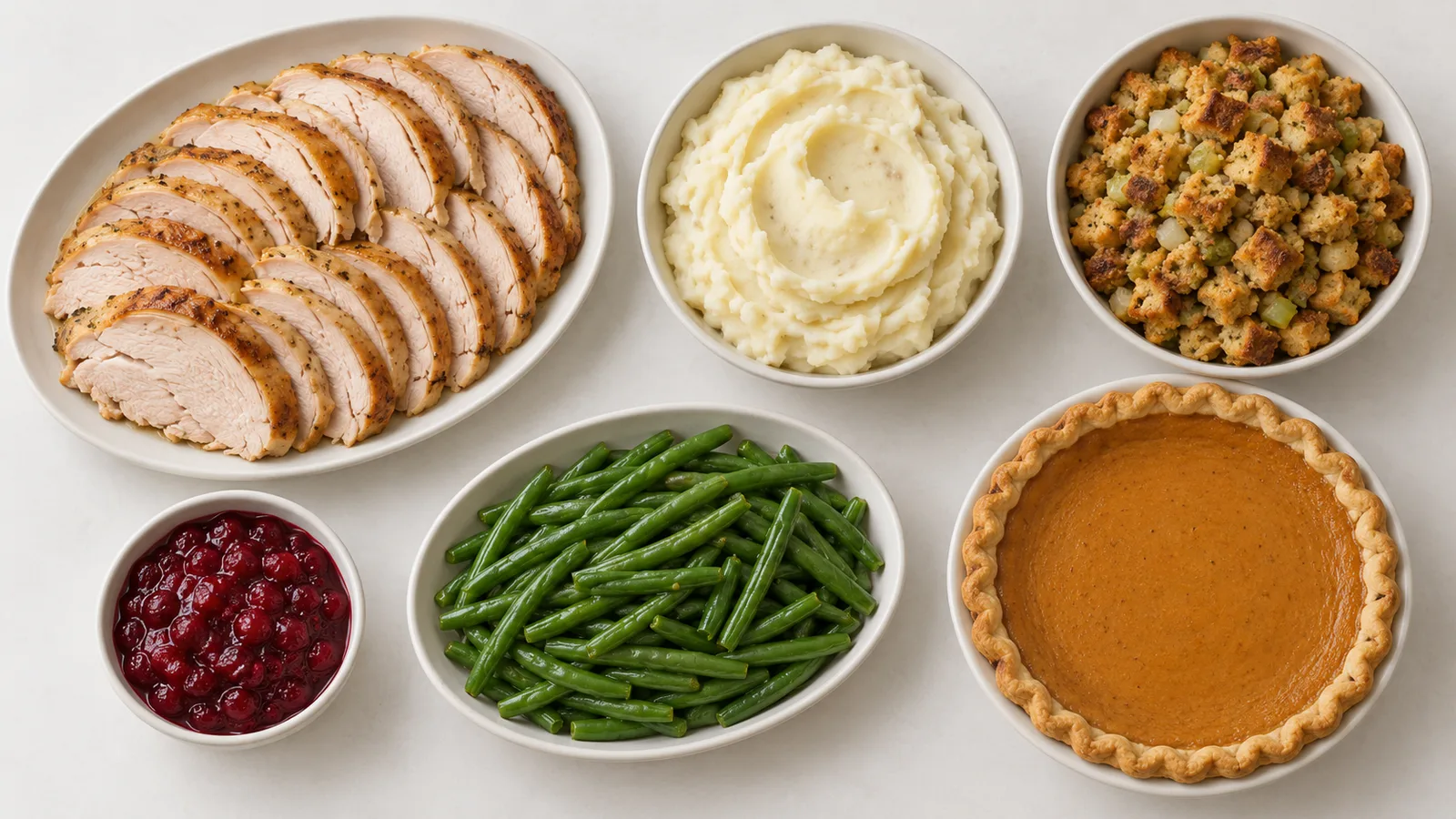
Thanksgiving dinner has no single calorie total. It depends on the dishes, how they were made and how much you eat. To estimate your plate, match each food to a suitable entry, adjust the portion and add the entries together, including drinks and dessert.
If you are trying to lose weight, you may want to keep logging while you enjoy dinner with your family. But a plate of homemade food rarely comes with an ingredient list. A holiday meal is part of normal life, and its entry can stay an estimate.
Start with the food and the portion
Together with the pies above, these reference portions give you a starting point. The values come from our food pages [1].
-
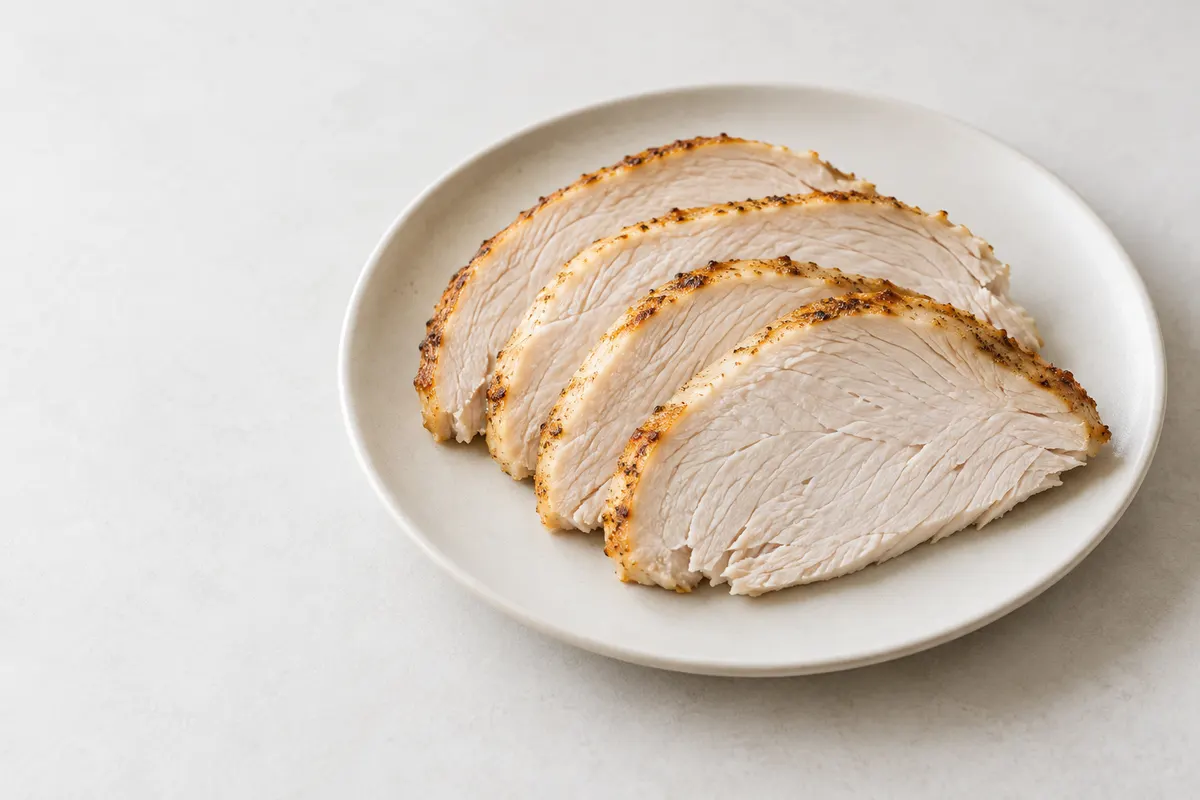 125 kcal Turkey breast, roasted 3 oz (85 g)
-
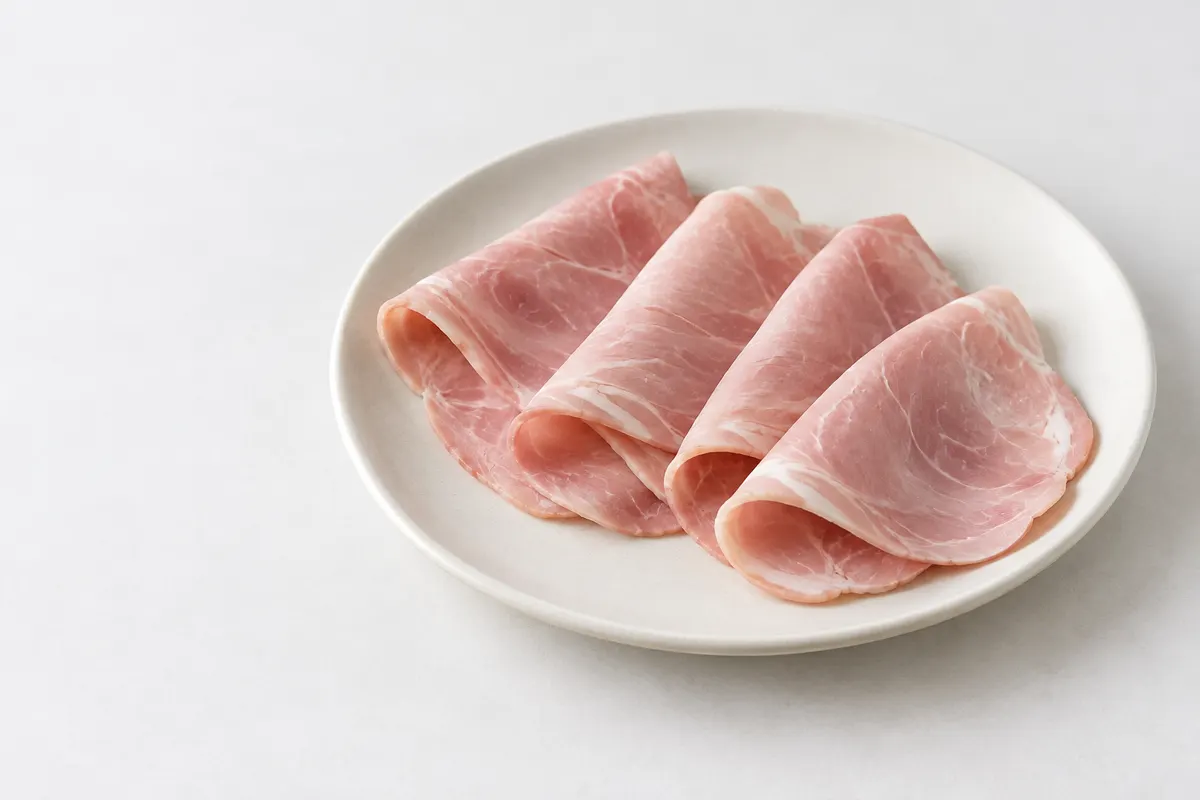 46 kcal Ham 1 slice (28 g)
-
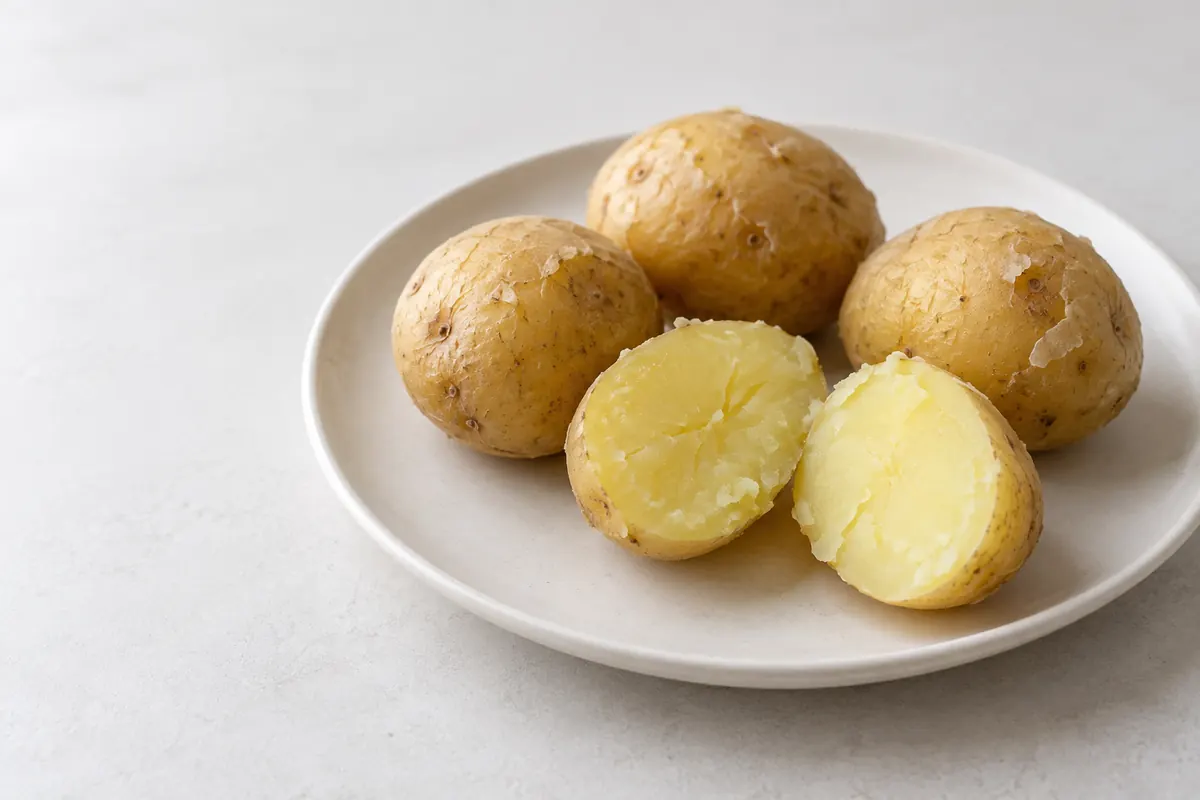 161 kcal Potato, baked 1 medium potato (173 g)
-
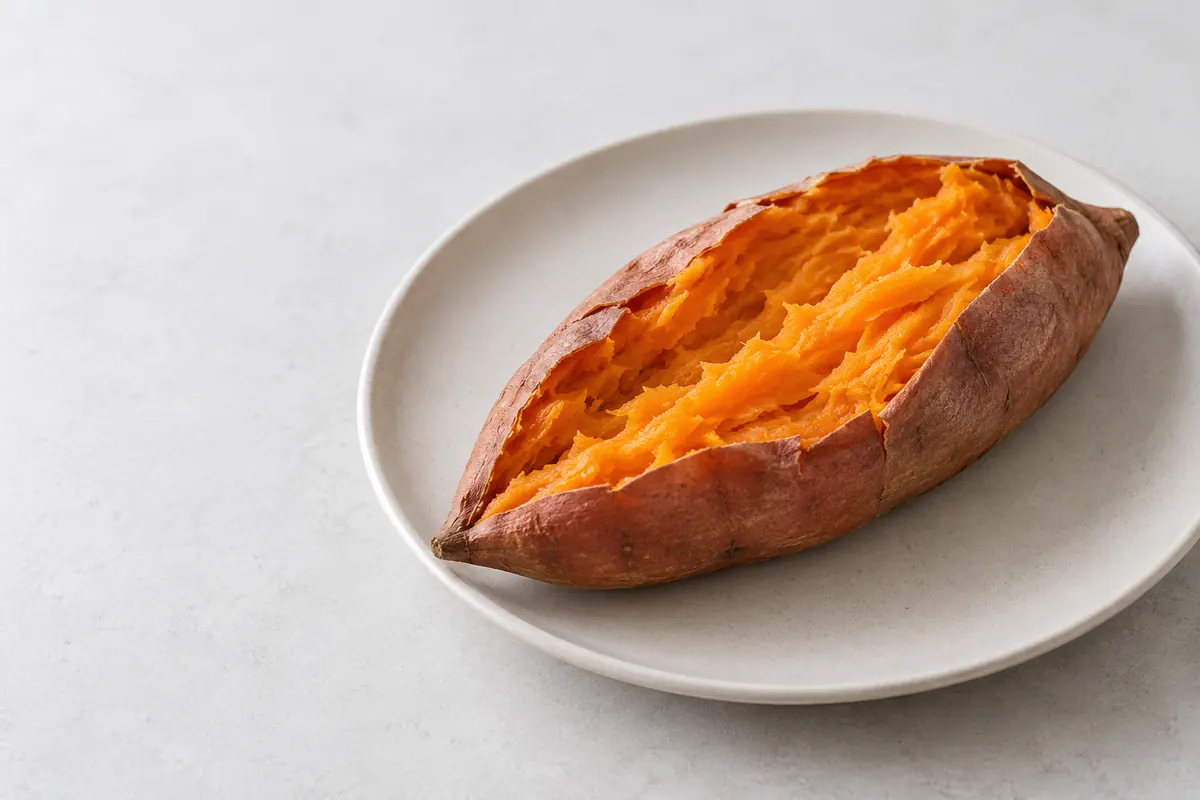 135 kcal Sweet potato, baked 150 g
-
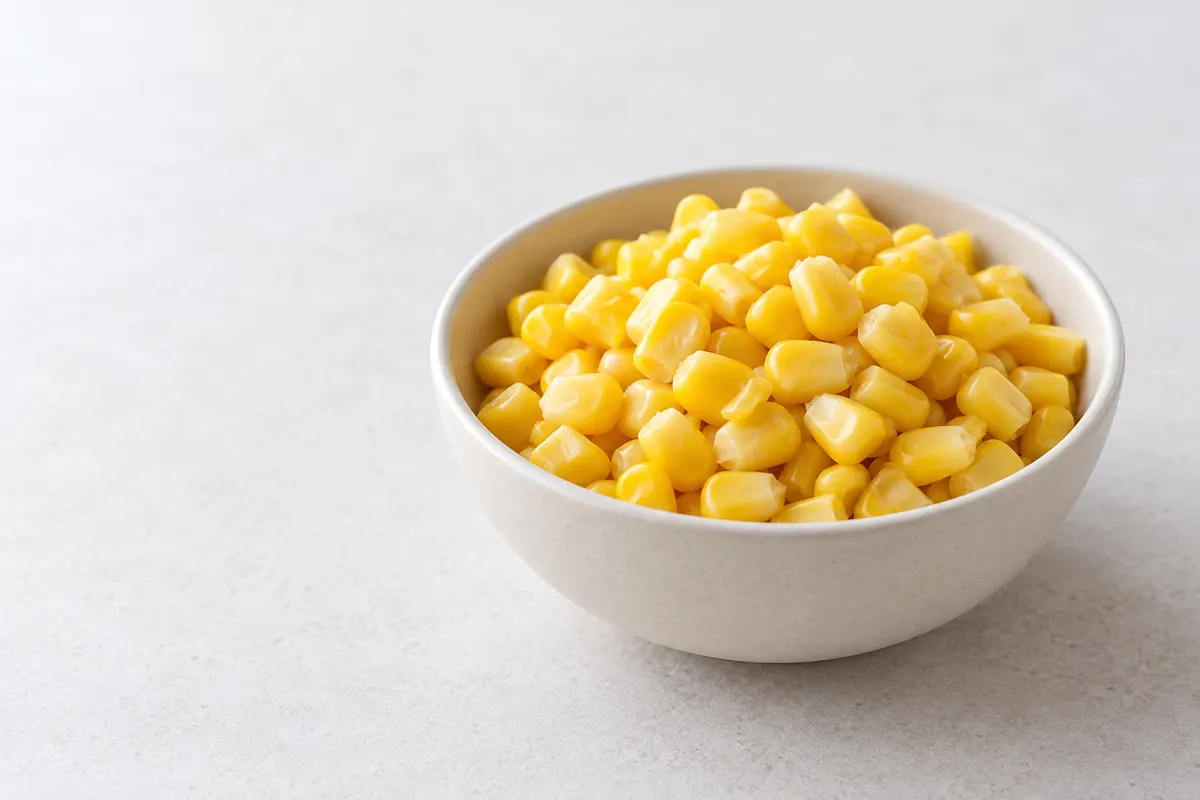 99 kcal Corn on the cob 1 medium ear (103 g)
-
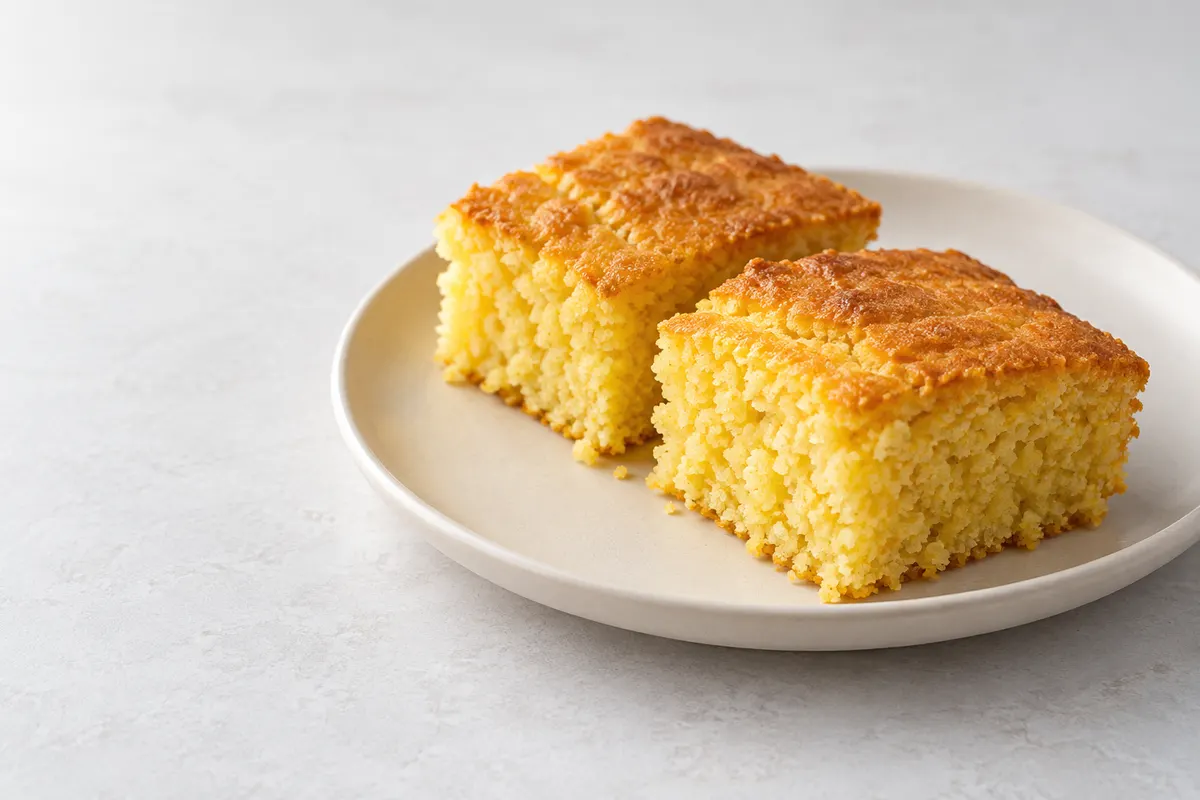 173 kcal Cornbread 1 piece (65 g)
-
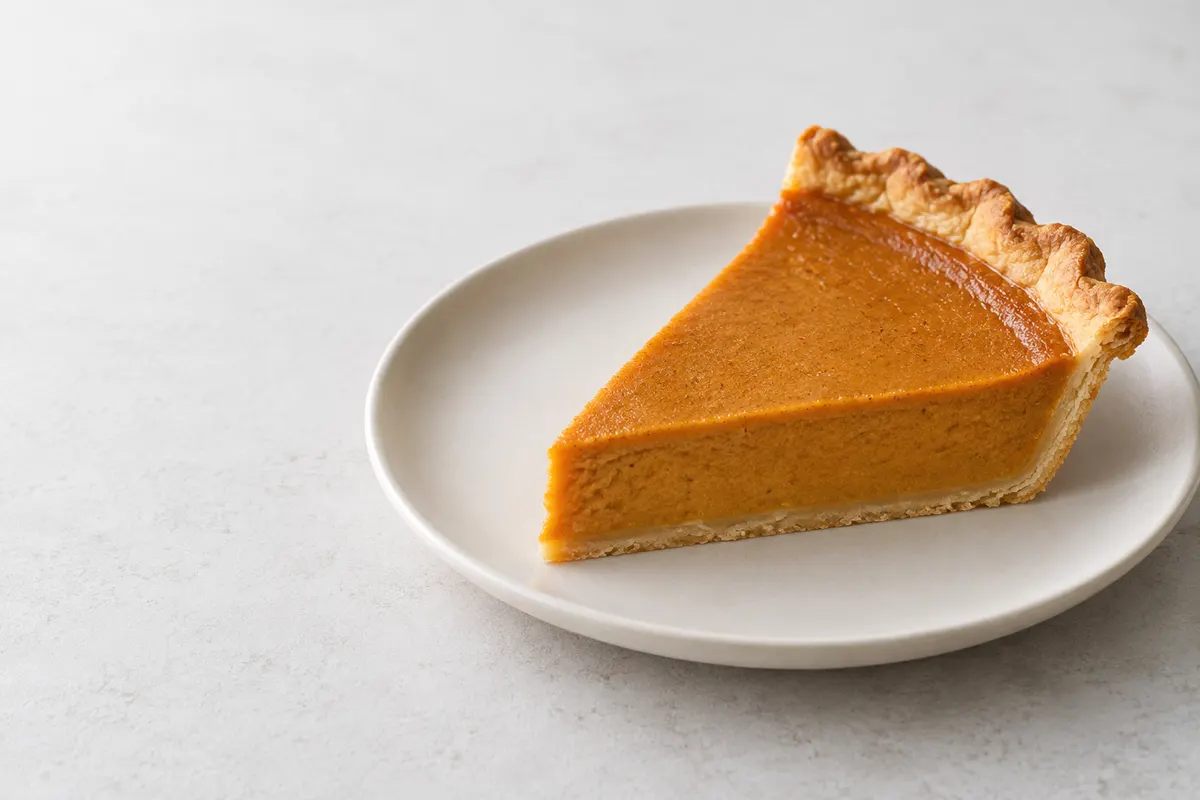 323 kcal Pumpkin pie 1 slice (133 g)
-
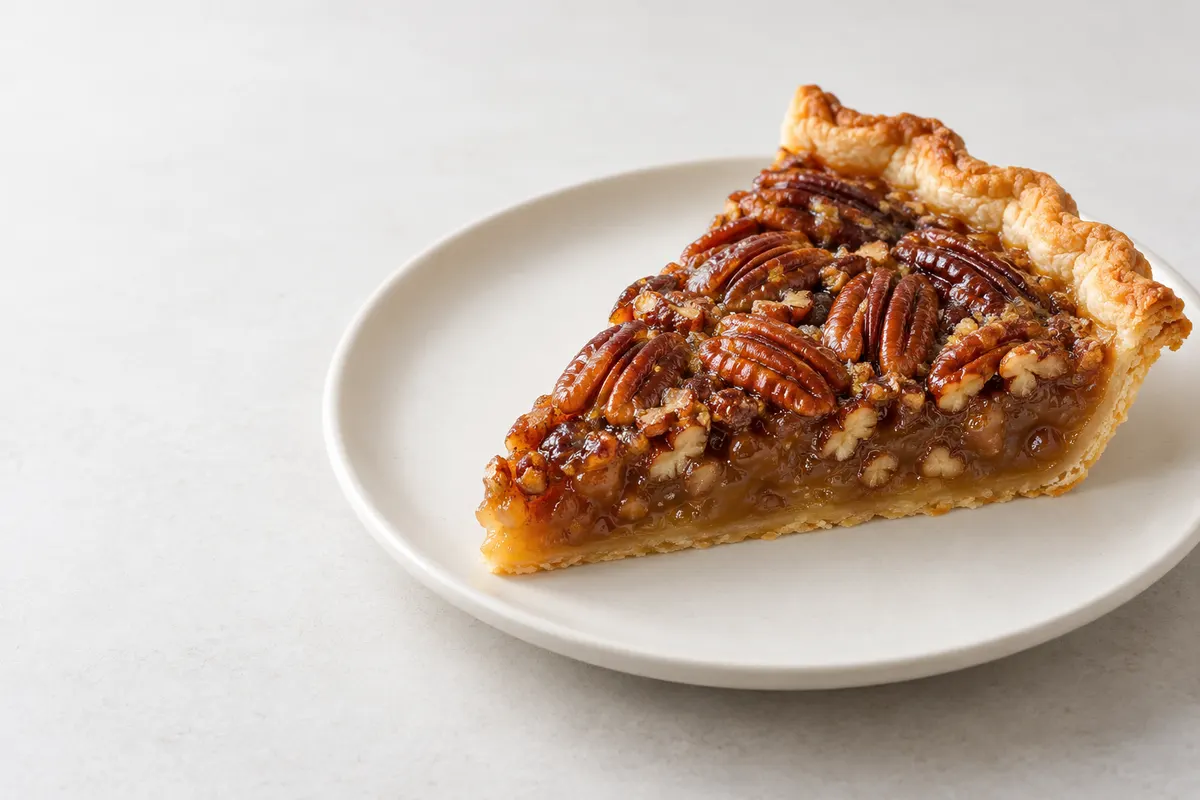 541 kcal Pecan pie 1 slice (133 g)
Use the entry that matches the food as served. A plain baked sweet potato and a sweet potato casserole need different estimates, and so do plain corn and corn with butter added (1 pat is 36 kcal).
The reference portion is a comparison, not an amount you need to serve yourself. Adjust it to the amount you ate. Without a scale, describe the portion in a unit you can judge, such as a slice, a piece or an approximate cup. For more help, see how to count calories without weighing food.
Estimate mixed dishes by their main parts
Stuffing, mashed potatoes, gravy and casseroles are harder to match because the recipe matters. In a study of food journaling, participants found restaurant meals and food prepared by others hard to log when they did not know the ingredients [2].
If the recipe is available, use it to estimate your share. If it is not, identify the main parts:
- Stuffing: the bread or other base, the cooking fat and any additions such as meat or nuts.
- Mashed potatoes: cooked potatoes plus any milk, cream or butter mixed in.
- Gravy: the stock or drippings, the thickener and any added fat or cream.
- Casseroles: the main vegetable or starch, the sauce and the topping.
Use those parts to choose a similar prepared-dish entry, or log the estimated ingredients separately. Choose one approach so the same ingredients are not counted twice. For example, if your mashed-potato entry already includes butter, do not add that butter again; an extra pat added at the table is separate.
You do not need to reconstruct the whole dish during dinner. Choose a reasonable match from what you know and accept that the estimate is approximate. The same method works for counting calories when you eat out.
Include the drinks and dessert you have
For pie, compare your slice with the reference portion rather than assuming every slice is the same size. If you try more than one dessert, log the amount of each, and log toppings separately unless the entry already includes them.
For drinks, estimate the amount poured. A cup of eggnog is 224 kcal [1]. For homemade eggnog, the recipe can guide the match; if alcohol was added, account for it unless your entry already includes it. For wine or other drinks, use a label when you have one or choose a similar drink entry. The guide to calories in drinks covers portions and additions.
How to log Thanksgiving dinner without perfect numbers
- Keep a simple record. Take a photo of your plate if that helps, or make a short note. Add a note or another photo for second servings, drinks or dessert.
- Log what you can identify. Start with foods you can match to a food page, a label or a familiar entry. Adjust each portion to what you ate, allowing for anything left on the plate.
- Estimate the mixed dishes. Use the main parts to find a reasonable match, and check whether sauces and added fats are already included.
- Review once, then leave the estimate. Add any drinks, dessert and additions you remember. When a detail is unknown, keep your best estimate rather than changing the entry again and again without new information.
You can do this after dinner if you prefer. A photo gives you a record to look back at, but it cannot tell you the recipe. The aim is an entry you can understand later, with room for the details you could not know.
The next day, continue as usual
Return to your usual meals and logging routine. If the dinner entry is incomplete, keep it as an estimate and go on with the next meal.
If an uncertain entry makes you feel like leaving the diary altogether, why people stop tracking calories looks at that difficulty and how to continue.
Your holiday meal in ClariMeal
ClariMeal logs a meal by photo, search or barcode. A meal photo gives you an editable estimate of calories, protein, carbs and fat to review and correct before logging, and photos are sent for analysis only with your consent. A photo cannot see hidden butter, cream or the recipe, so use what you know about the dishes when you review it.
Log Your Holiday MealLog Your Holiday Meal
Sources
- U.S. Department of Agriculture, Agricultural Research Service. FoodData Central. fdc.nal.usda.gov ↑
- Cordeiro F, Epstein DA, Thomaz E, et al. Barriers and negative nudges: exploring challenges in food journaling. Proceedings of the SIGCHI Conference on Human Factors in Computing Systems 2015:1159-1162. doi.org/10.1145/2702123.2702155 ↑