How to Count Calories When You Eat Out
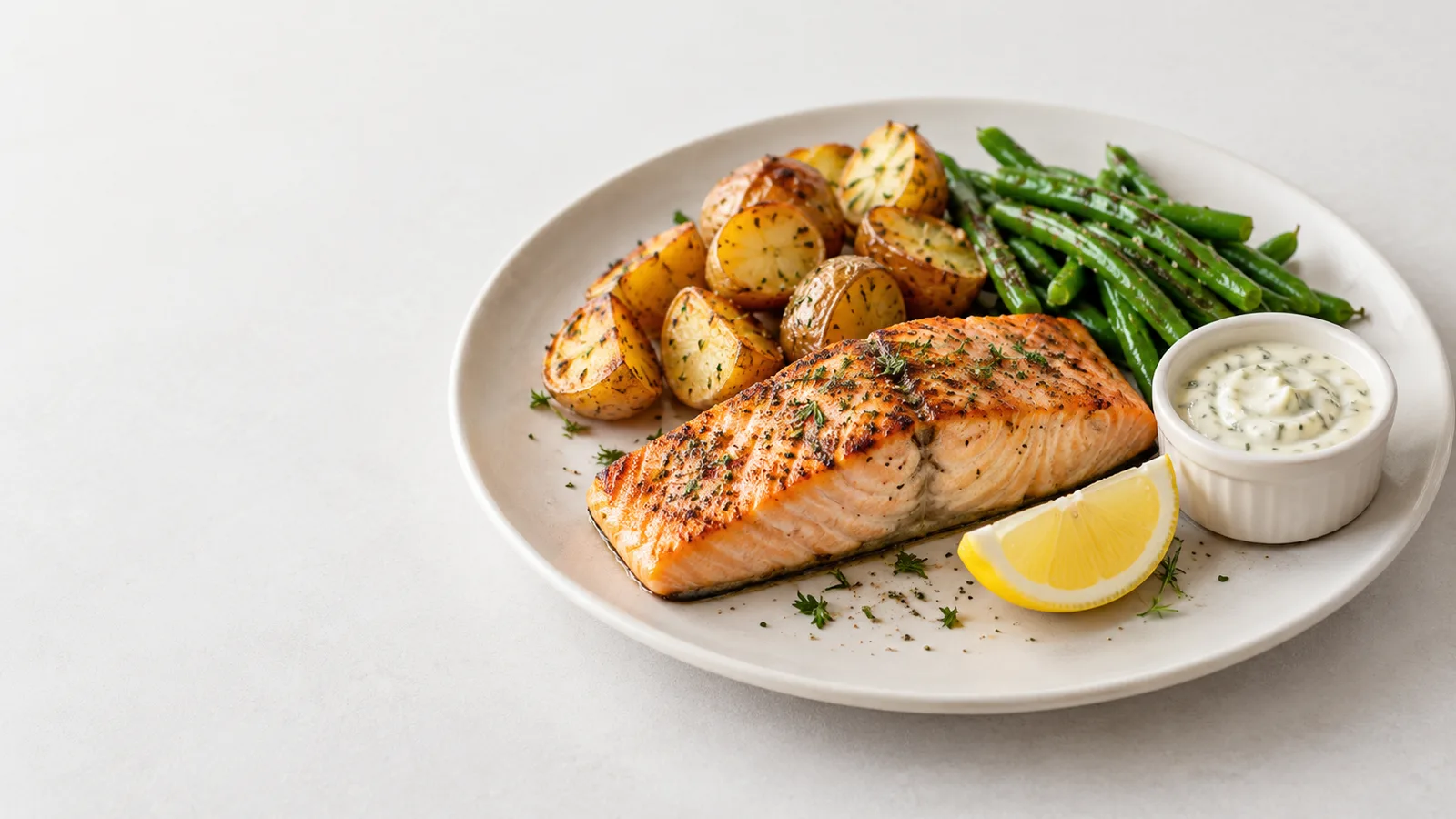
In a 2016 study, frequently ordered meals from non-chain restaurants in three U.S. cities averaged 1,205 calories each when measured in a laboratory [1].
Dinner with friends or family rarely comes with a recipe and portion weights. When you want to lose weight and still eat out, that missing information can make a meal hard to log.
Use the restaurant's calorie numbers when they are available. Otherwise, estimate the main parts of the dish. Add cooking fat and sauces and log bread, drinks and other extras separately. The result is an estimate, and an estimate is enough to log the meal.
What measurements show about restaurant meals
The 2016 study measured the meals with laboratory calorimetry. Meals from non-chain restaurants had energy contents similar to meals from large chains, and in this sample 92% of meals exceeded the study's benchmark for an adult woman's lunch or dinner [1].
These were selected meals from one study, not a guide to every restaurant portion today. The practical point is to estimate the meal in front of you, with its portion and preparation.
Are restaurant calorie counts accurate?
They are useful, but not exact for every plate.
A 2011 study tested 269 foods from 42 restaurants. Across the sample, measured calories averaged 10 kcal more per portion than stated, a difference that was not statistically significant. But 50 of the foods (19%) contained at least 100 kcal more than their stated values [2].
Agreement across a sample does not guarantee agreement for one dish. For logging, use the published number for the item and size you ordered, and check whether it includes the sides, dressing or drink. These findings give no reason to add a fixed amount to every menu number.
Where menu calories appear in the U.S.
Under the federal rule, restaurant chains with 20 or more locations under the same name and with substantially the same menu items must show calories for standard menu items on menus and menu boards. More written nutrition information must be available on request [3].
Not every restaurant or dish is covered. The rule has exceptions, including daily specials and custom orders, so a changed order may need its own estimate.
How to estimate a restaurant meal without a menu number
In a study of food journaling, participants found restaurant meals and food prepared by others hard to log because they did not know what was in them [4].
You do not need the full recipe. Use these four steps.
1. Identify the main parts
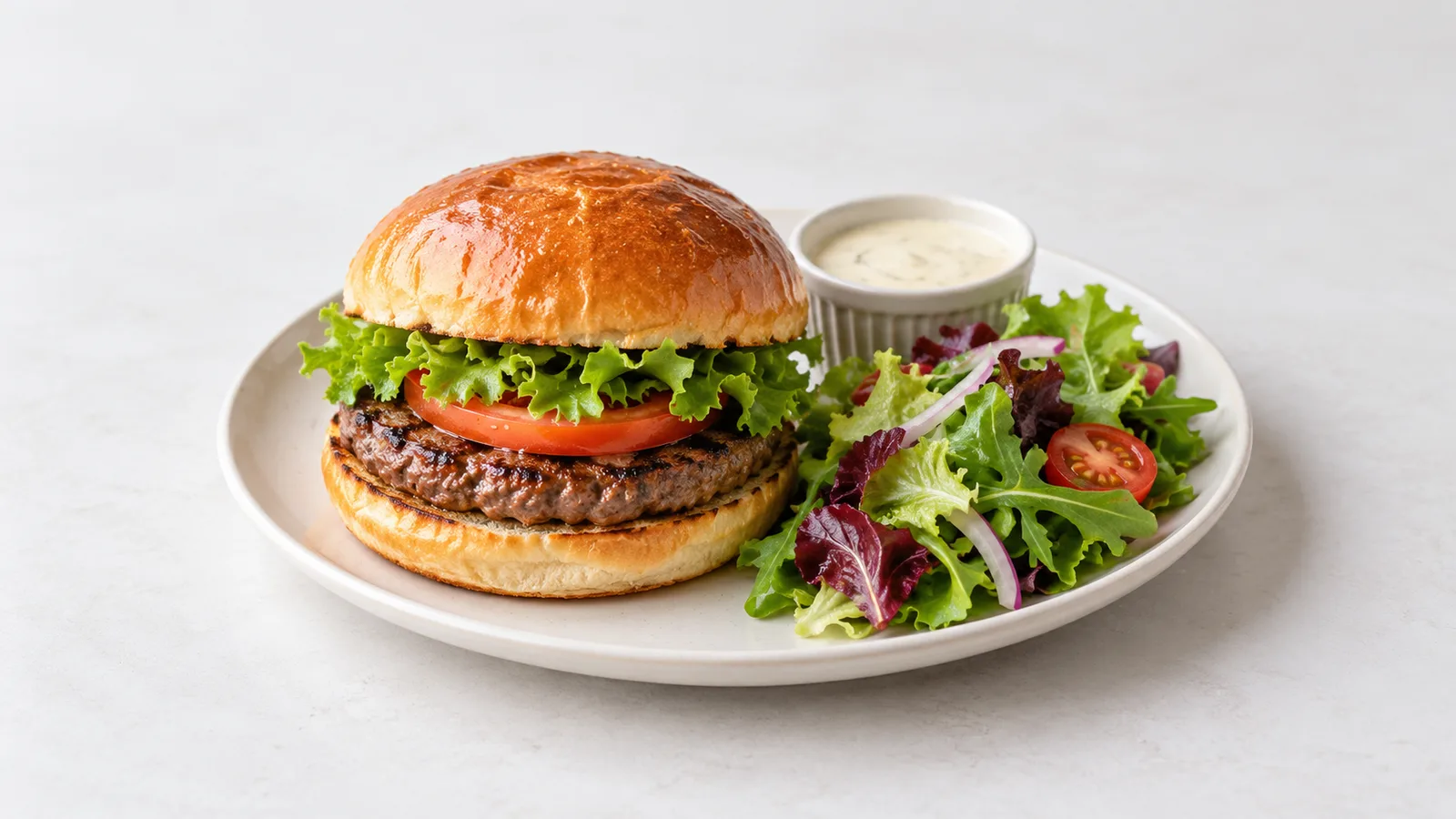
Split the dish into its main components: meat, fish, tofu or beans; rice, pasta, potatoes or bread; vegetables; sauce or toppings.
For a plate of grilled fish, rice and vegetables, estimate each part separately. For a mixed dish such as lasagna, choose a prepared-dish entry with similar ingredients instead of guessing every ingredient.
2. Match the cooking method
Choose an entry that describes how the food was prepared. Breaded and fried chicken is not plain grilled chicken. Rice cooked with added fat is not plain rice.
If an important detail is unclear, a short question to the staff about how the dish is cooked can help. You do not need exact recipe amounts.
3. Add cooking fat, sauces and extras
When you log plain components, add cooking fat and sauces as separate items. Base them on the menu description and what you can see.
Count each component once. A prepared-dish entry may already include fat and sauce, so do not add them again unless you have a reason to think they are missing.
Bread served on the side, drinks, refills and shared starters also belong in the meal. For a shared dish, log your approximate share.
4. Estimate the portion you ate
Compare the portion with familiar servings at home, or use the reference portions in how to count calories without weighing food. Match the entry's units and preparation: a portion of cooked rice needs a cooked rice entry.
If you leave food, log what you ate. Eating half the fish but all the rice is different from eating half of everything. If you take leftovers home, log them when you eat them.
Choose one reasonable estimate from the information you have. There is no need to keep searching for a number you cannot check.
The extras that add up
These reference portions show why additions deserve a place in the estimate [5]. They are not standard restaurant servings.
-
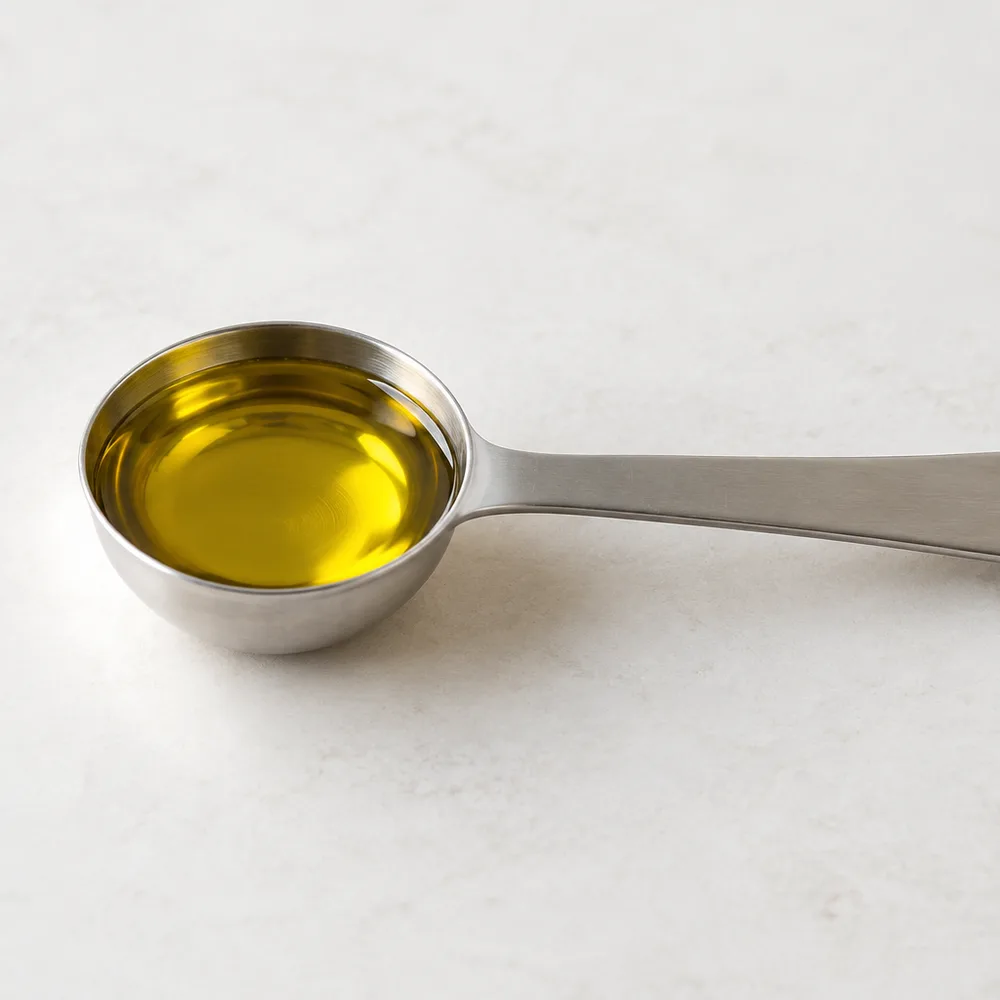 119 kcal Olive oil 1 tbsp (13.5 g)
-
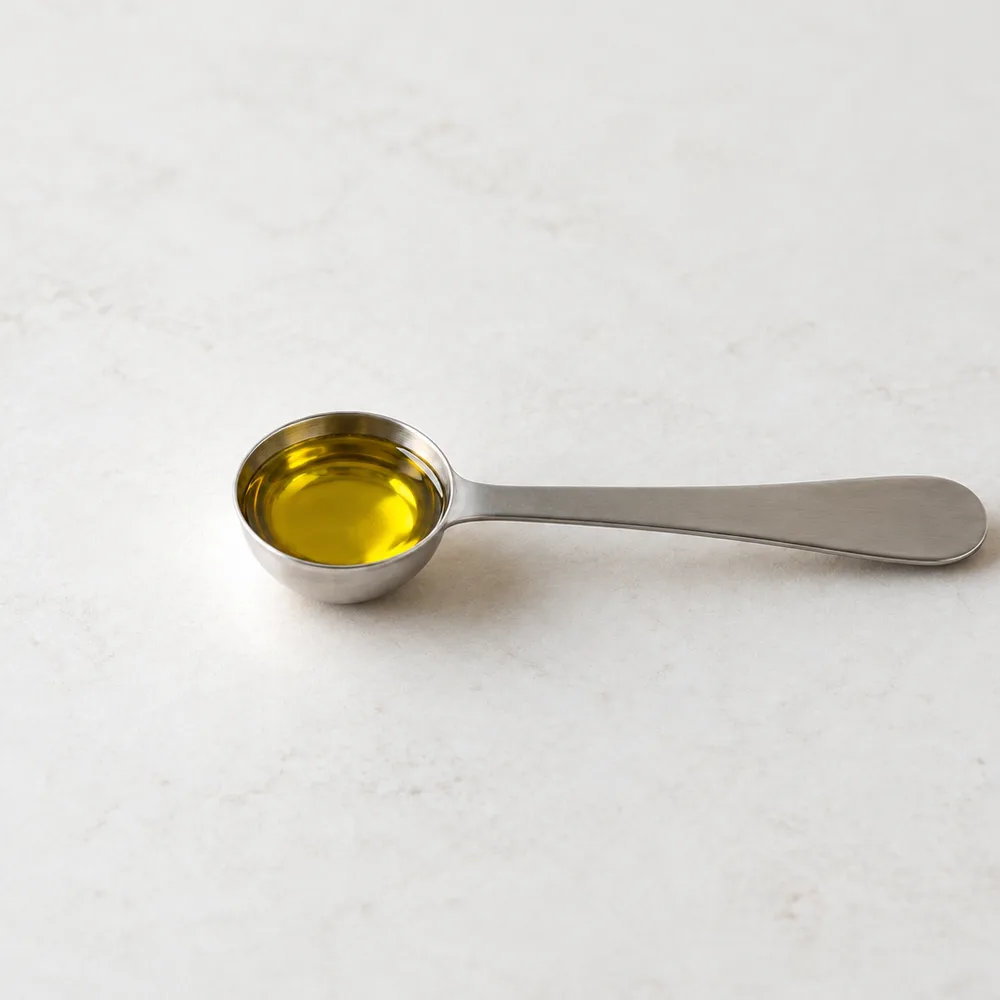 40 kcal Olive oil 1 tsp (4.5 g)
-
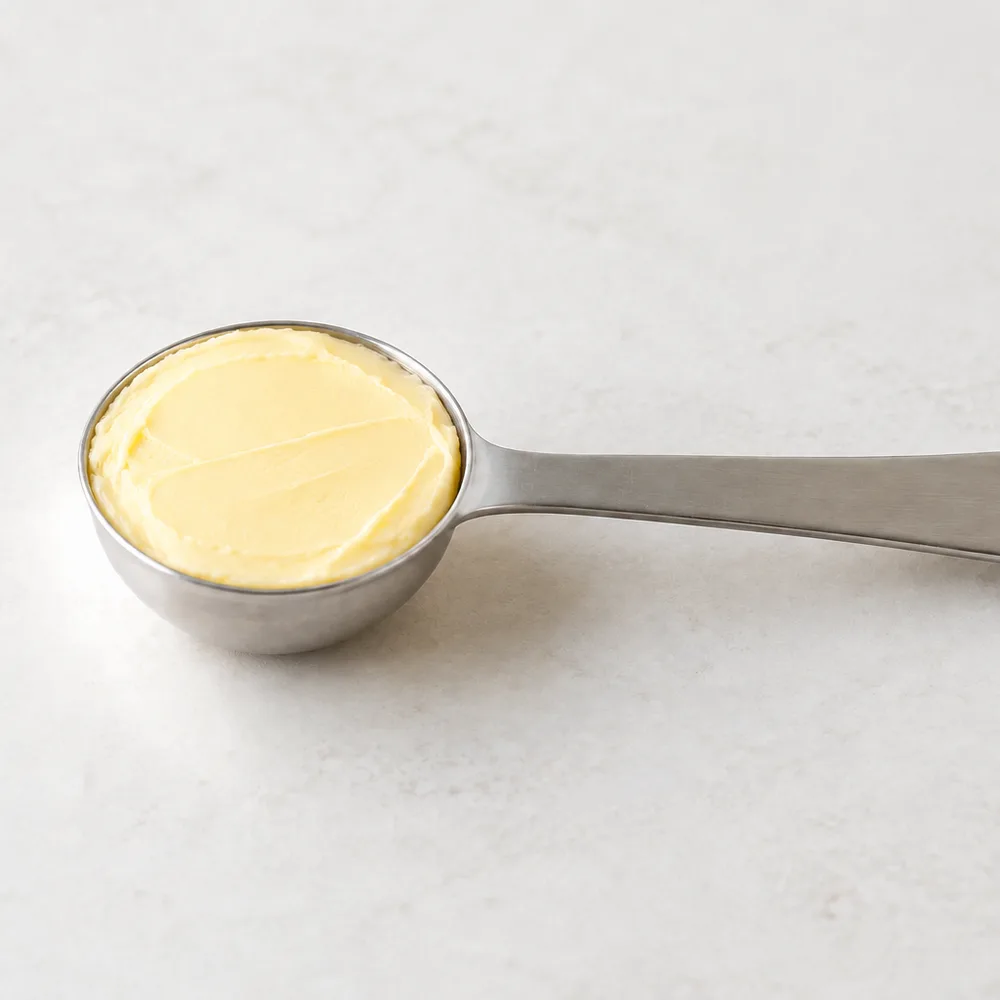 102 kcal Butter 1 tbsp (14.2 g)
-
 36 kcal Butter 1 pat (5 g)
-
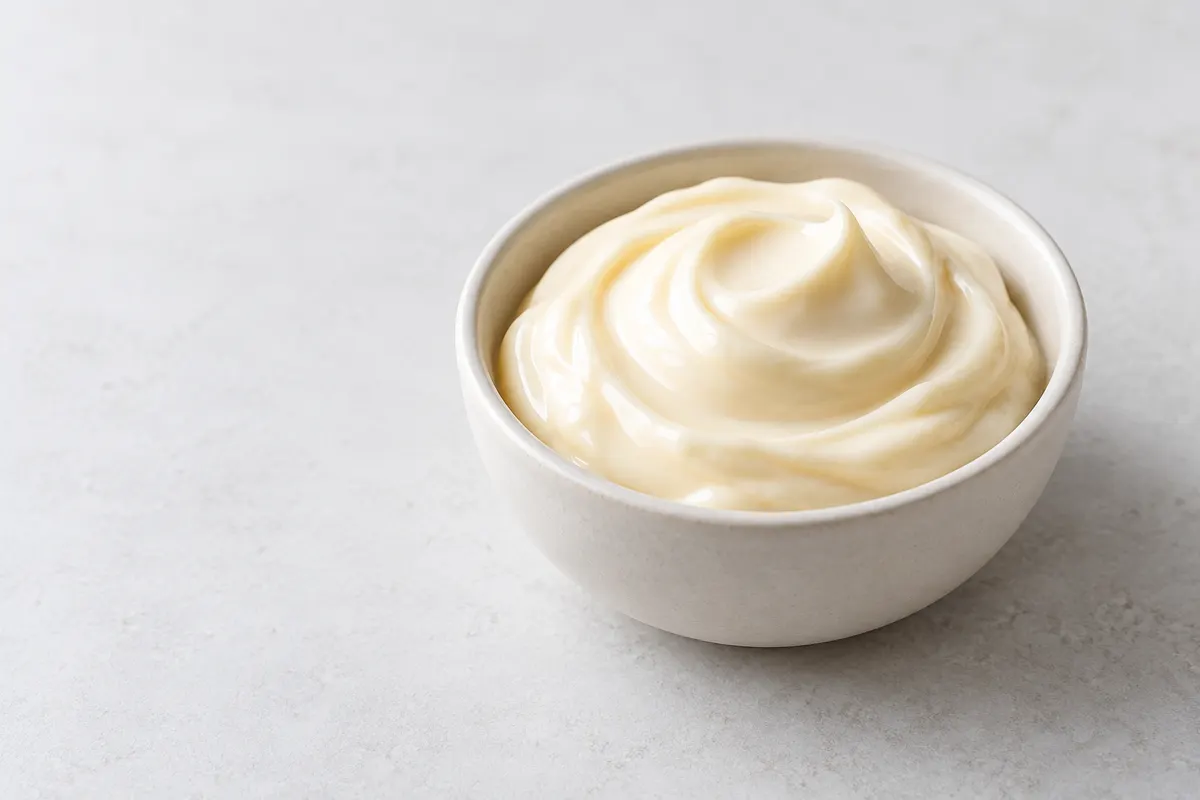 94 kcal Mayonnaise 1 tbsp (13.8 g)
-
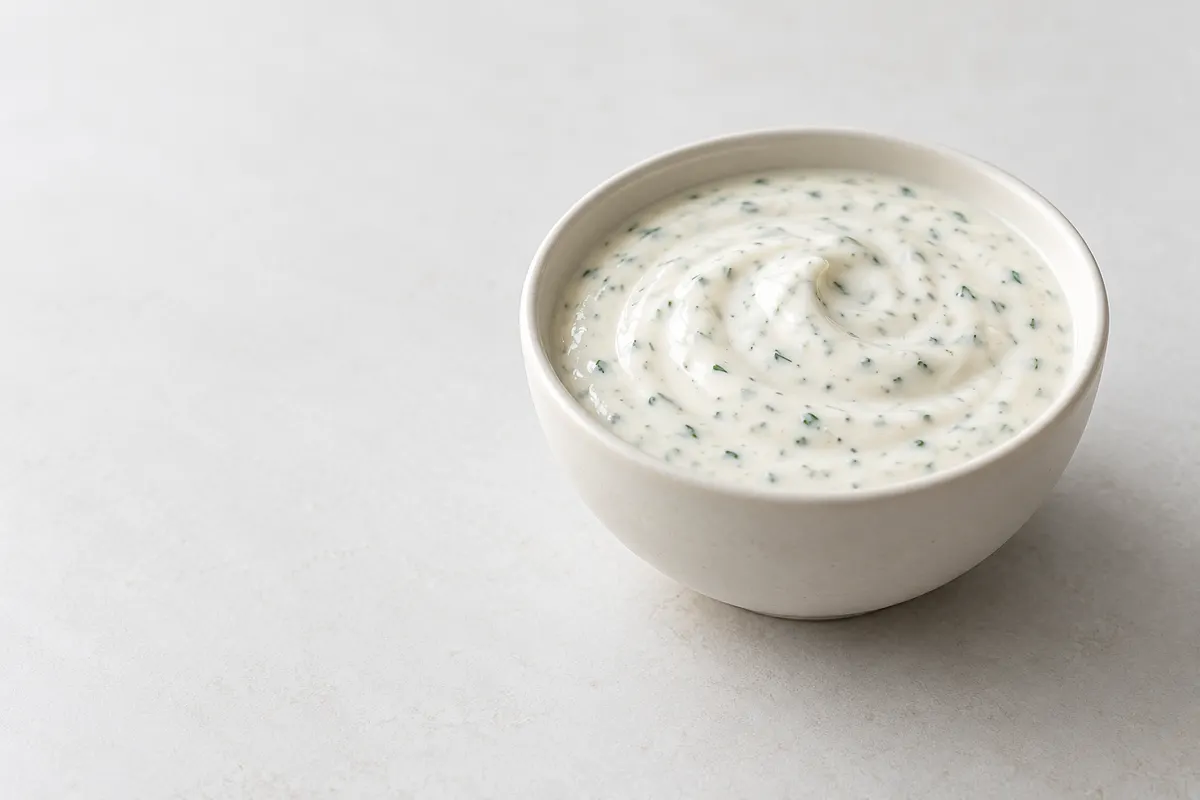 65 kcal Ranch dressing 1 tbsp (15 g)
-
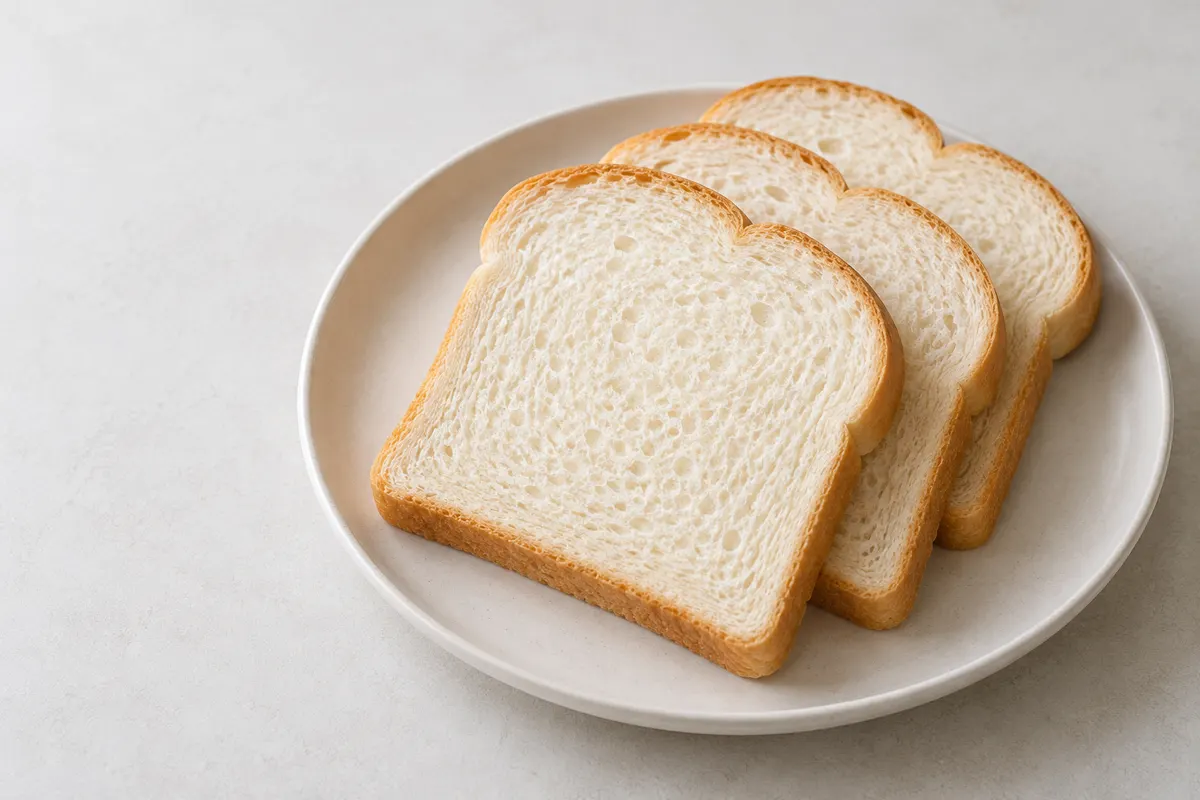 77 kcal White bread 1 slice (29 g)
-
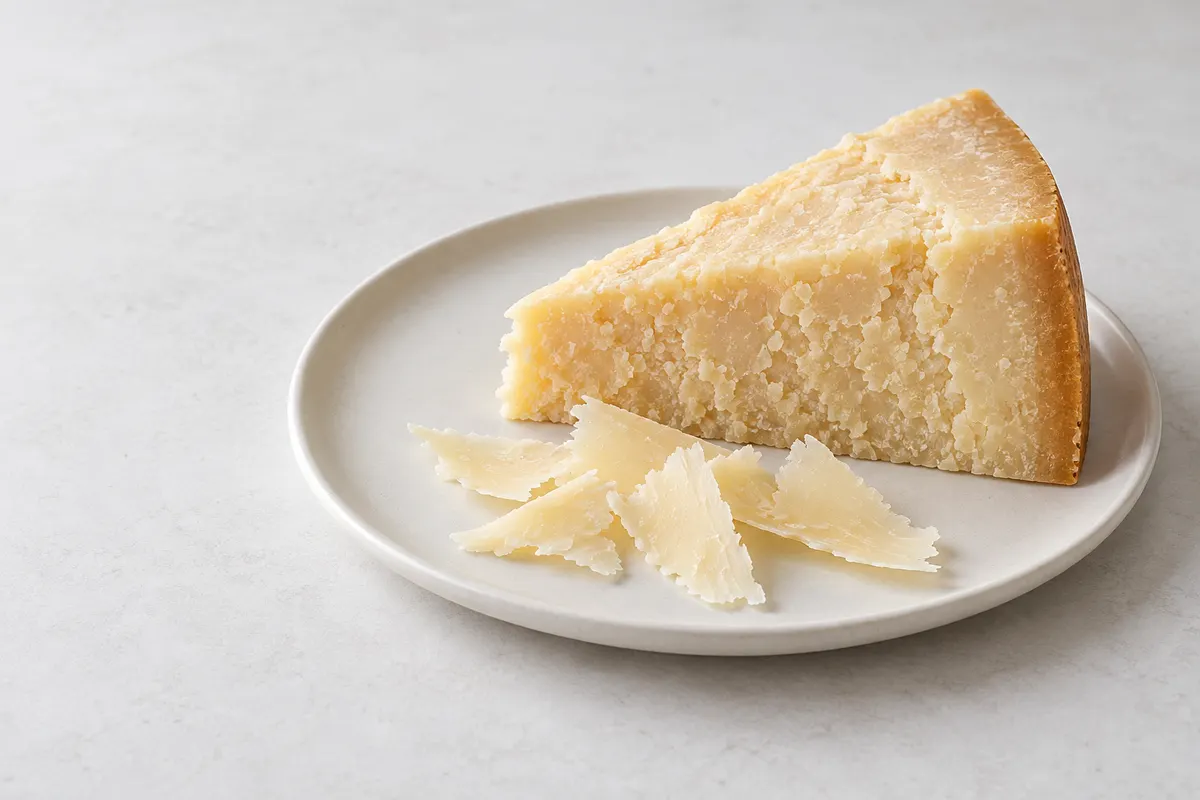 111 kcal Parmesan 1 oz (28.35 g)
For example, one slice of bread with one pat of butter adds 113 kcal by these reference values. The bread basket at your table may differ.
Small amounts of fat add many calories: per gram, fat has more than twice the calories of protein or carbohydrates, as the calories per gram calculator shows.
These foods can be part of a meal you enjoy. These reference portions help you include the additions in your estimate, not decide whether to eat them.
How to log the meal
Log soon after eating, when it suits you. If logging would interrupt the conversation, take a photo or make a short note and finish later. Remember anything outside the photo, such as a drink or a starter.
Record the estimate you have. Adjust the entry if you later find the restaurant's nutrition information or learn something about the preparation. For more on continuing after a meal that is hard to log, see why people stop tracking calories.
After a larger restaurant meal
If the estimate is higher than you expected, continue with your usual meals and logging. There is no need to skip meals or add exercise because of it.
Use what you learned the next time you order the same dish. Dinner with friends or family stays part of normal life, not something to correct the next day.
Log a restaurant meal from a photo
ClariMeal can log a meal from a photo. The photo is sent for analysis only with your consent, and you get an editable estimate of calories, protein, carbs and fat to review and correct before logging.
A photo cannot see hidden oil, butter or sauce, the exact weight or the recipe. Add what you know before you log.
Log a Restaurant MealLog a Restaurant Meal
Sources
- Urban LE, Weber JL, Heyman MB, et al. Energy contents of frequently ordered restaurant meals and comparison with human energy requirements and U.S. Department of Agriculture database information: a multisite randomized study. Journal of the Academy of Nutrition and Dietetics 2016;116(4):590-598.e6. doi.org/10.1016/j.jand.2015.11.009 ↑
- Urban LE, McCrory MA, Dallal GE, et al. Accuracy of stated energy contents of restaurant foods. JAMA 2011;306(3):287-293. doi.org/10.1001/jama.2011.993 ↑
- U.S. Food and Drug Administration. 21 CFR 101.11, Nutrition labeling of standard menu items in covered establishments. ecfr.gov ↑
- Cordeiro F, Epstein DA, Thomaz E, et al. Barriers and negative nudges: exploring challenges in food journaling. Proceedings of the SIGCHI Conference on Human Factors in Computing Systems 2015:1159-1162. doi.org/10.1145/2702123.2702155 ↑
- U.S. Department of Agriculture, Agricultural Research Service. FoodData Central. fdc.nal.usda.gov ↑