Christmas Dinner Calories: Estimate Your Holiday Plate
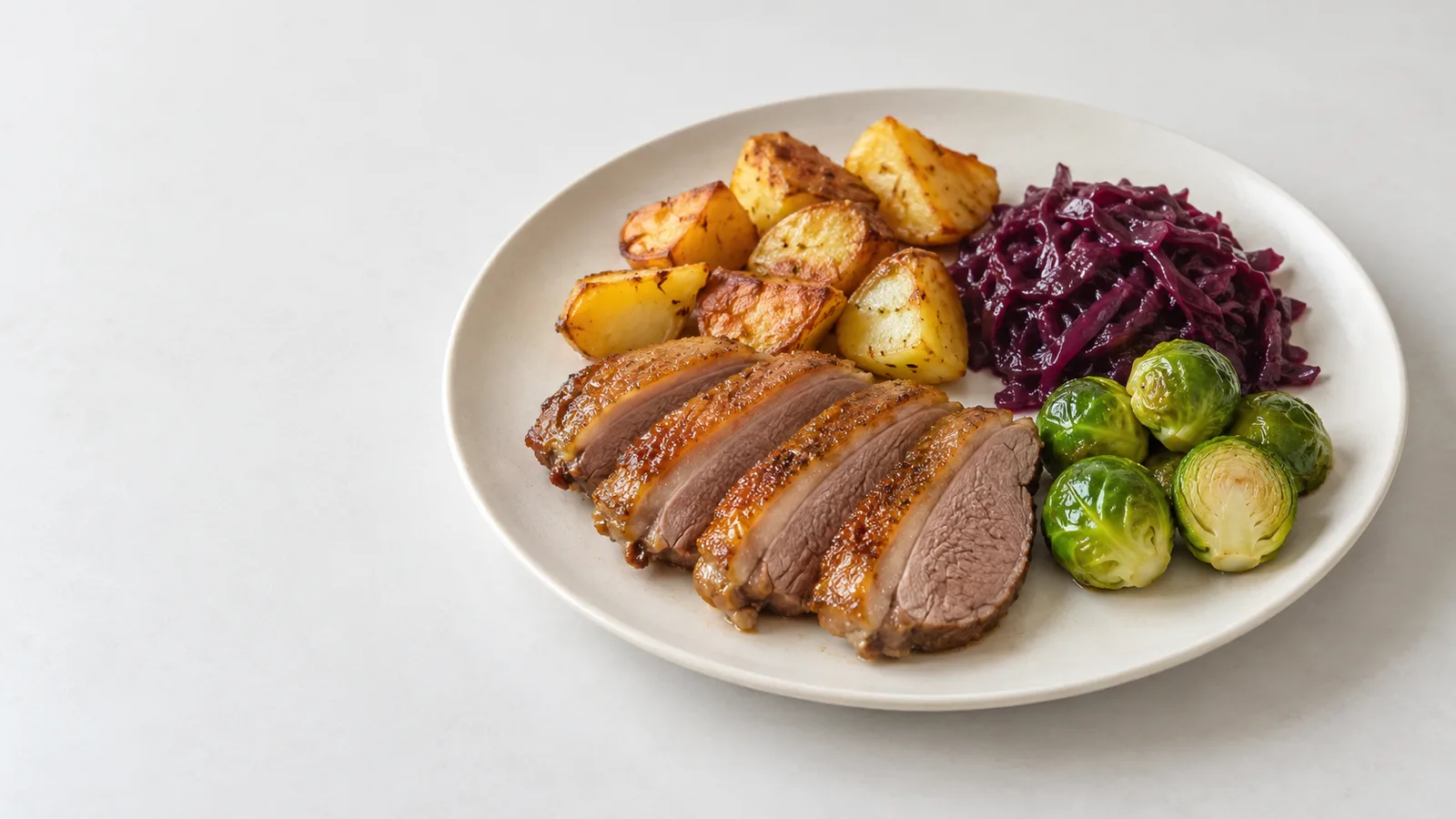
Roast goose has 305 kcal per 100 g, while roasted turkey breast has 147 kcal per 100 g [1]. The main dish alone is one reason there is no single calorie count for Christmas dinner.
Christmas dinner is part of normal life, including when you are trying to lose weight. But a shared meal with unfamiliar recipes can leave you unsure what to log.
To estimate your Christmas dinner, add up the portions you eat: the main, sides, sauces, dessert and any drinks. Use a label or recipe where you have one and a reasonable estimate where you do not. An entry can stay an estimate.
Start with the main and your portion
-
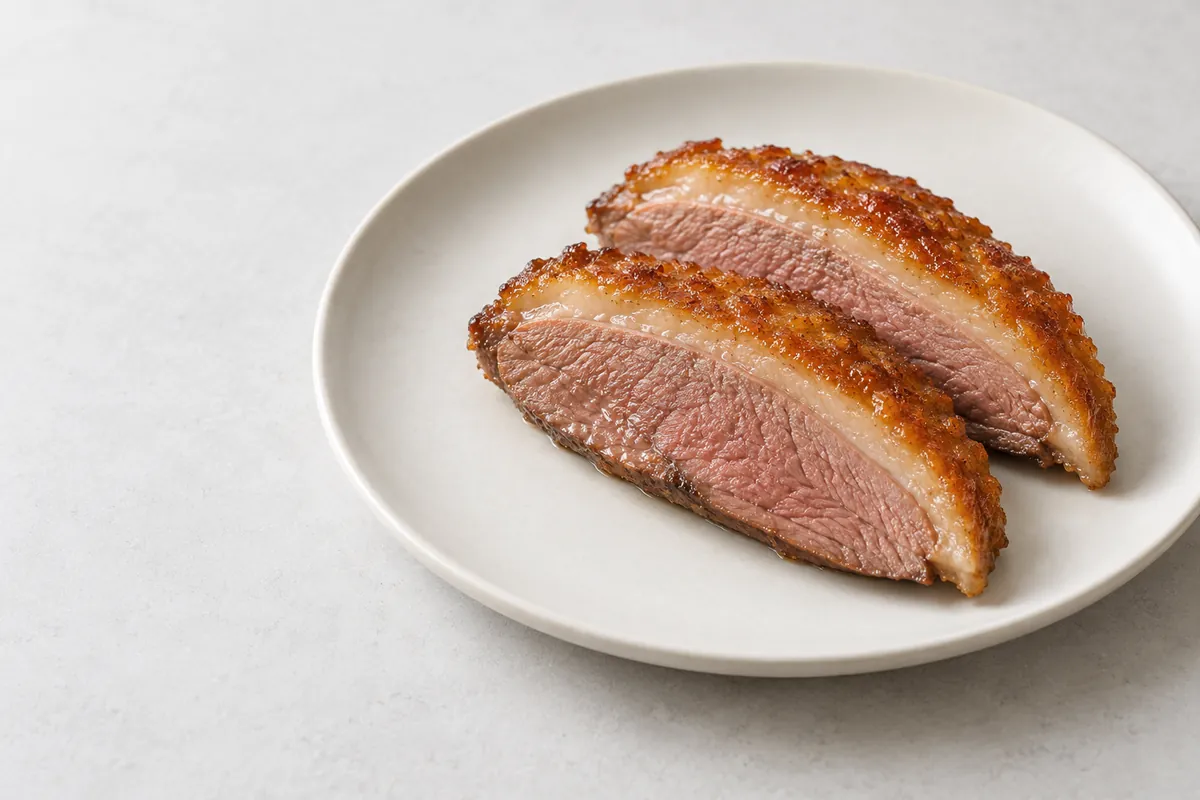 305 kcal Roast goose 100 g
-
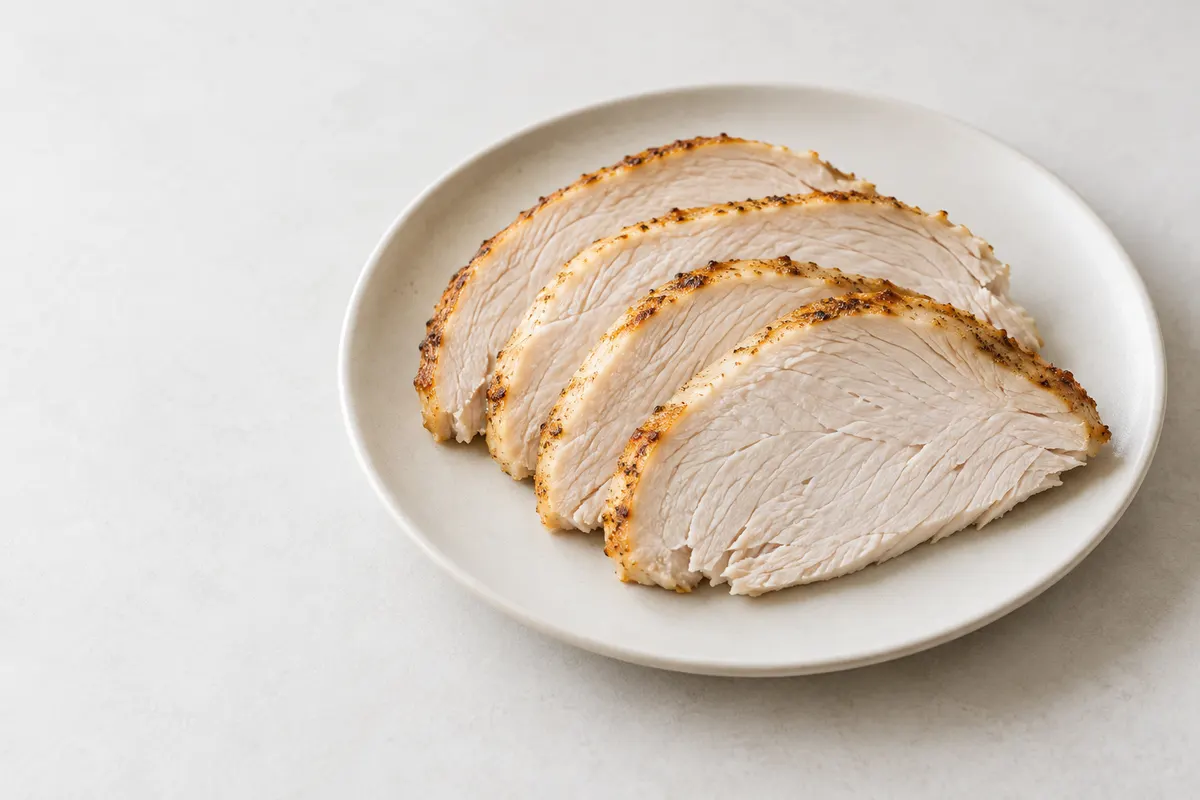 147 kcal Turkey breast, roasted 100 g
-
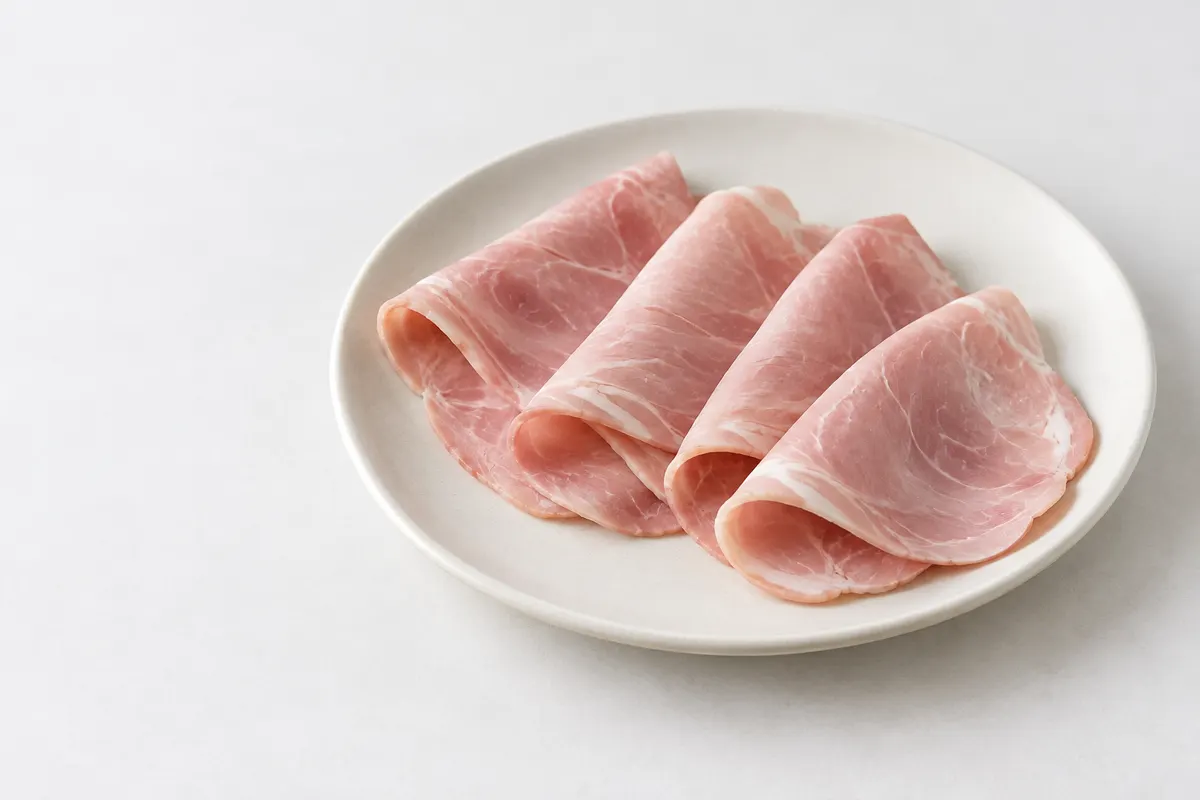 164 kcal Ham 100 g
-
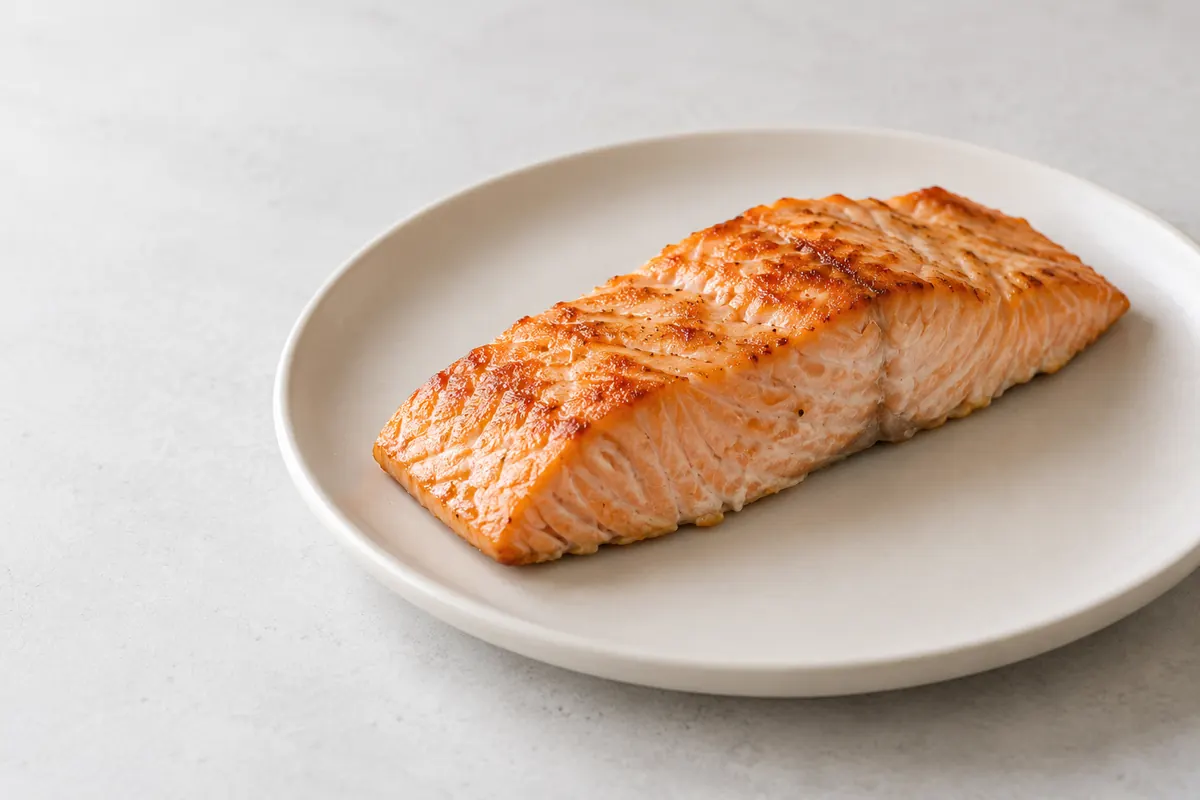 206 kcal Salmon, cooked 100 g
-
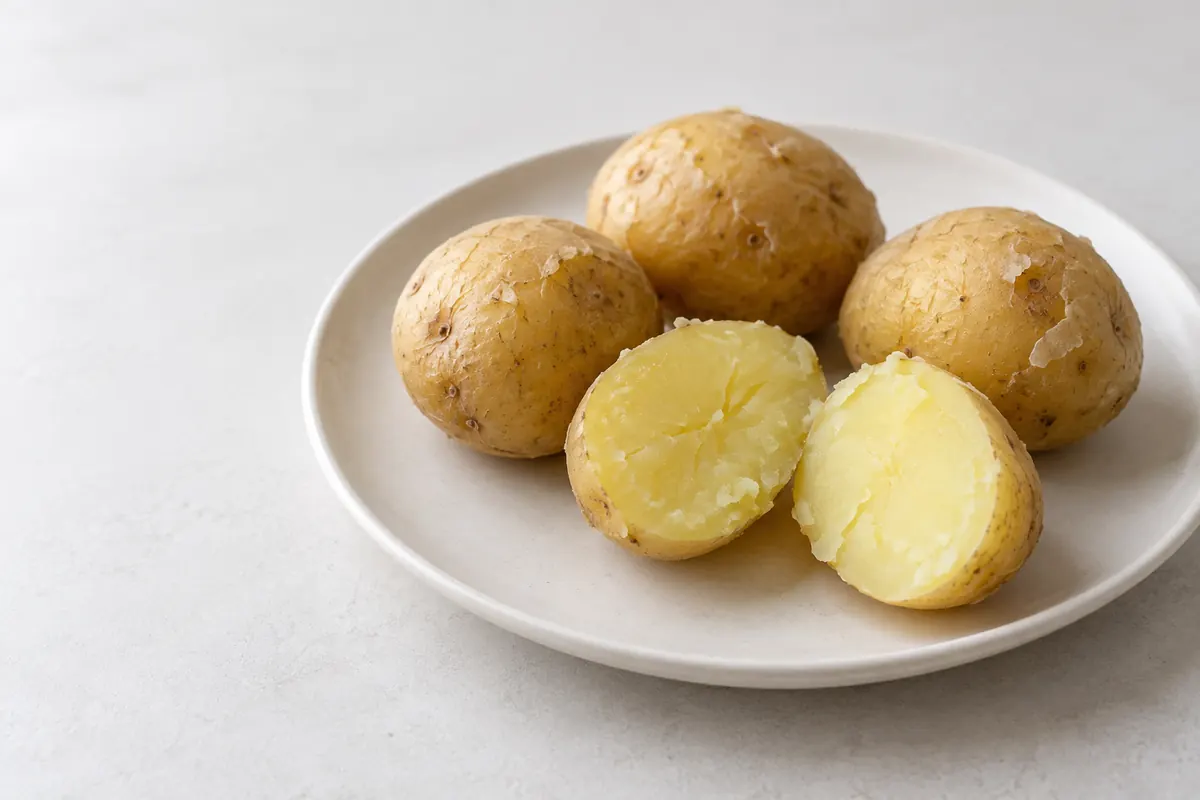 161 kcal Potato, baked 1 medium potato (173 g)
-
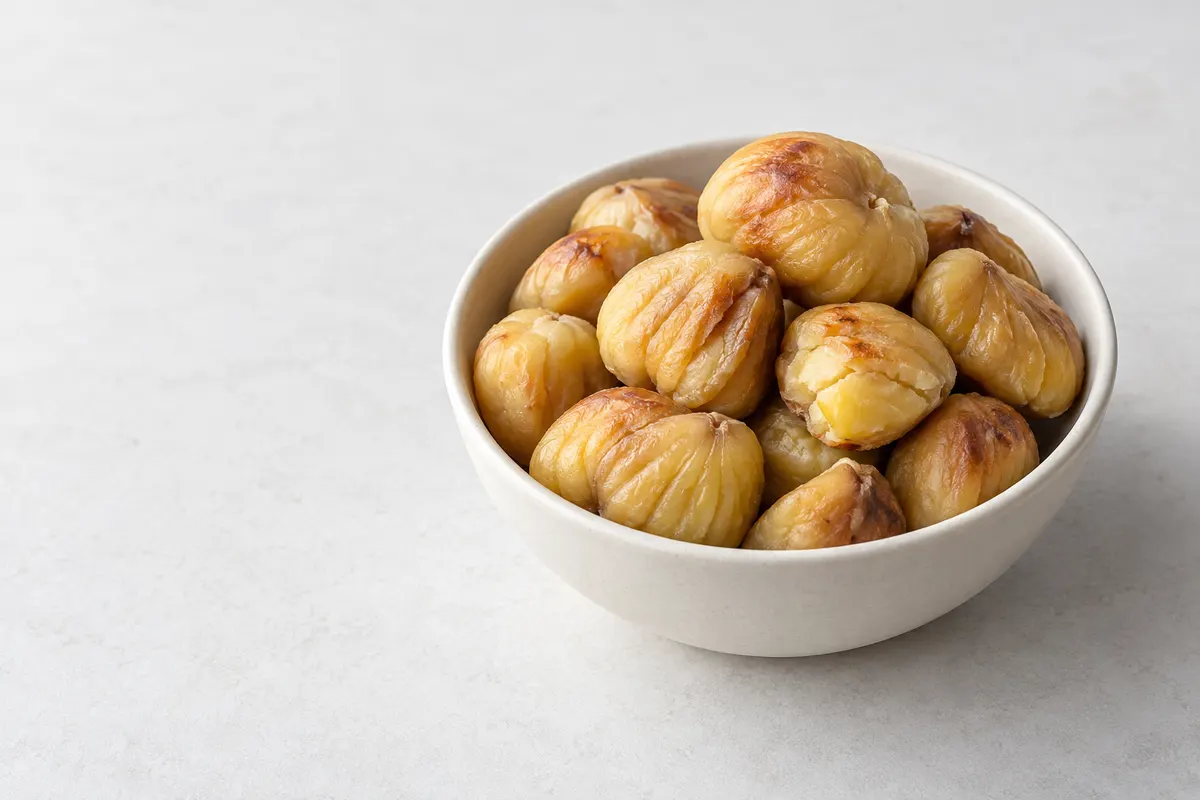 69 kcal Chestnuts, roasted 1 oz (28.35 g)
-
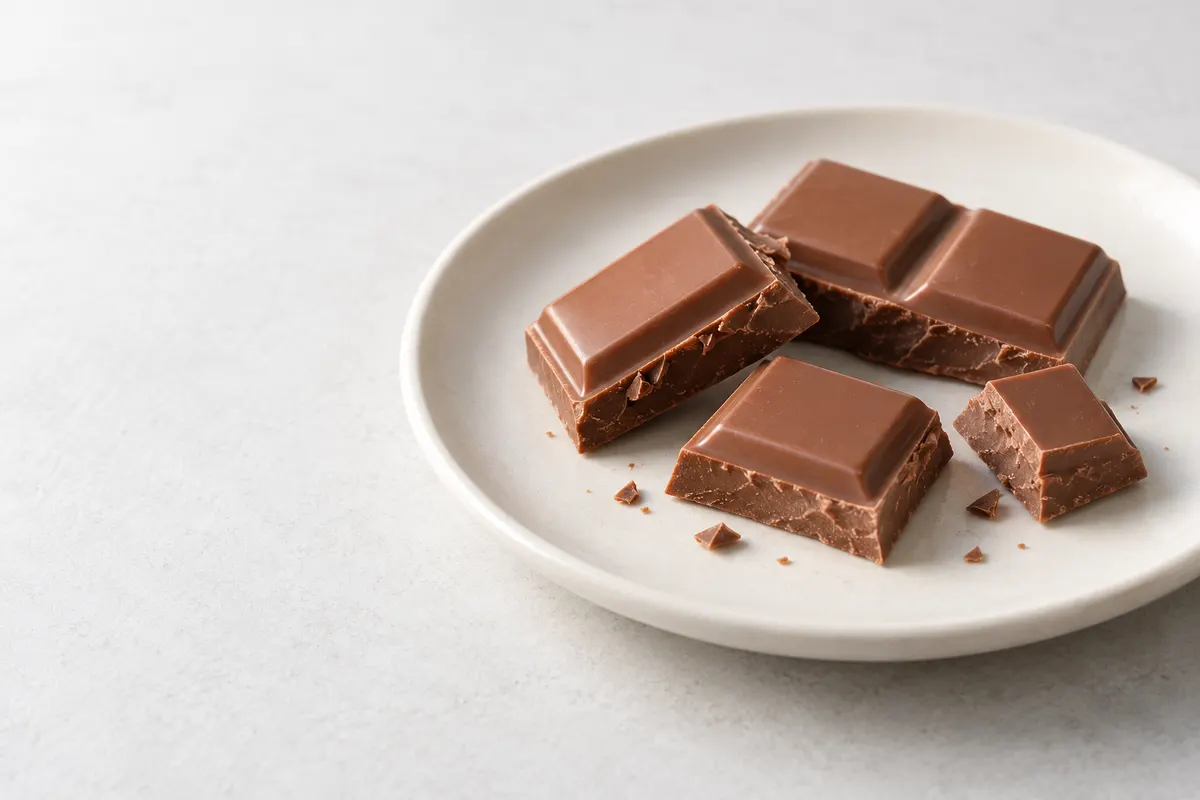 235 kcal Milk chocolate 1 bar, 1.55 oz (44 g)
-
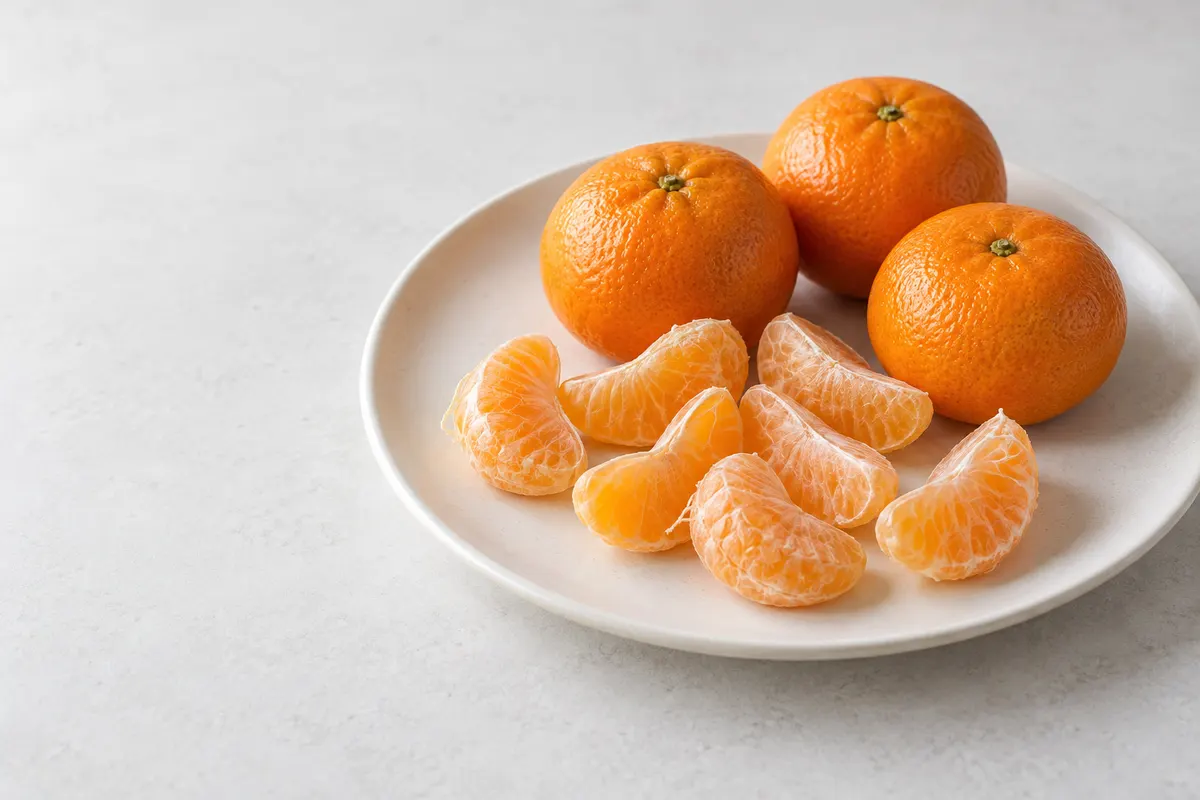 35 kcal Clementine 1 clementine (74 g)
Per 100 g, roast goose, turkey breast, ham and salmon give a common starting point for different mains [1]. Match the food and preparation you ate, then adjust for your portion. A 28 g slice of ham, for example, is 46 kcal.
For a portion weighed in grams, multiply the calories per 100 g by the weight and divide by 100. Use the cooked edible portion when the entry describes cooked food, without bones.
Without a scale, use what you know: the package weight, your share of a dish or a portion you recognize from a previous meal. Counting slices helps only when they are a similar size; a thick slice from a whole ham may not match the sliced-ham serving. The guide to counting calories without weighing food explains how to work with estimates.
If the meal includes a starter, smoked salmon has 33 kcal per 1 oz [1]. Log it separately from cooked salmon, along with anything served with it.
Estimate sides by their main parts
A plain baked potato has 161 kcal for 1 medium potato (173 g) [1]. That is not a ready number for roast potatoes cooked in fat.
When you know the recipe, work out the ingredients for the dish and use the share you ate. When you do not, choose a prepared-food entry that resembles it or estimate the main parts:
- Roast potatoes: the potatoes and the cooking fat.
- Stuffing: the bread or other base, added fat and any meat, nuts or dried fruit.
- Gravy: the packet directions, the recipe or a similar prepared gravy, for the amount served.
- Red cabbage: the cabbage and any added fat, sugar or fruit.
- Sprouts with butter: the sprouts and the butter.
Choose either a prepared-dish entry or its separate ingredients. Adding butter again when the prepared-dish entry already includes it would count it twice.
Roasted chestnuts are 69 kcal per 1 oz [1]. If they are part of the stuffing, include them in that dish rather than as a separate side.
Not knowing a recipe is a familiar logging problem. In a study of food journaling, participants found food prepared by other people hard to log because they did not know the ingredients [2]. Our Thanksgiving dinner guide uses the same method of estimating mixed dishes by their main parts.
Use serving sizes for desserts and treats
For Christmas foods served as pieces, bars or handfuls, check the amount behind the calorie value [1]:
- Apple pie: 296 kcal for 1 piece, 1/8 of a 9-inch pie (125 g).
- Milk chocolate: 235 kcal for 1 bar (44 g); dark chocolate: 170 kcal per 1 oz.
- Mixed nuts, dry roasted: 172 kcal per 1 oz.
- Clementine: 35 kcal for 1 fruit (74 g).
These serving sizes are references, not suggested portions. A handful of nuts or a piece of chocolate has no fixed weight, so use the package and the amount you ate where you can.
For Christmas pudding, mince pies, stollen or cookies, start with the label and check whether it describes a whole item, a slice or a weight. For homemade versions, use the recipe and your share, or choose a similar dessert and keep the entry approximate. Log custard, cream or other toppings separately unless the entry already includes them.
Include the drinks you have
A 5 fl oz glass of red wine is 125 kcal, a cup of eggnog 224 kcal and a cup of hot chocolate with whole milk 226 kcal [1]. Match the amount and preparation to what you had.
For mulled wine or another homemade drink, use the label or recipe rather than assuming it matches plain wine. The guide to calories in drinks explains how to log portions and additions.
Log the meal in three steps
- Note what you ate. Start with the main, then the sides, sauces, dessert and drinks. A quick note or photo can remind you if you log later.
- Choose the closest entries and portions. Use labels or known recipes first. For unfamiliar dishes, use a similar prepared dish or its main parts.
- Review and log your estimate. Check that additions are included once. If no more information is available, leave the entry as it is.
Leftovers and the days after Christmas
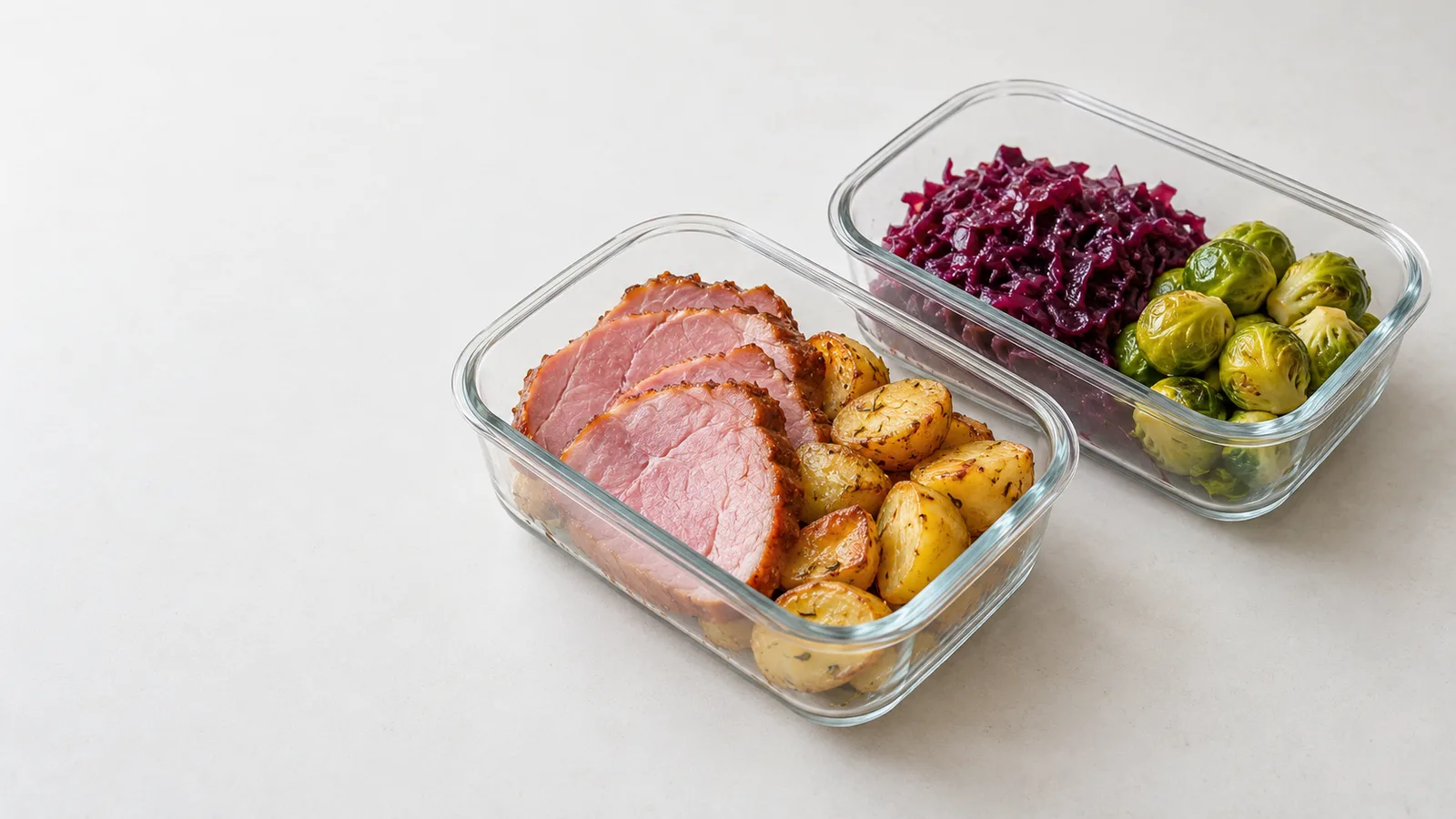
Christmas food can continue for several days. For leftovers, reuse the same dish estimate and adjust the portion. If you make a new meal from the leftovers, log the ingredients you add.
Chocolates, nuts and fruit between meals can be logged the same way: a short note of the pieces or the amount, then the package or a matching food entry. There is no need to reconstruct every small bite you cannot remember.
Log what you can and leave uncertain entries as estimates. If a day is incomplete, continue with the next meal. The article on why people stop tracking calories looks at continuing when food is hard to log.
The next day, eat and log as usual. You can record the meal in front of you even when yesterday's diary is unfinished.
Your Christmas plate in ClariMeal
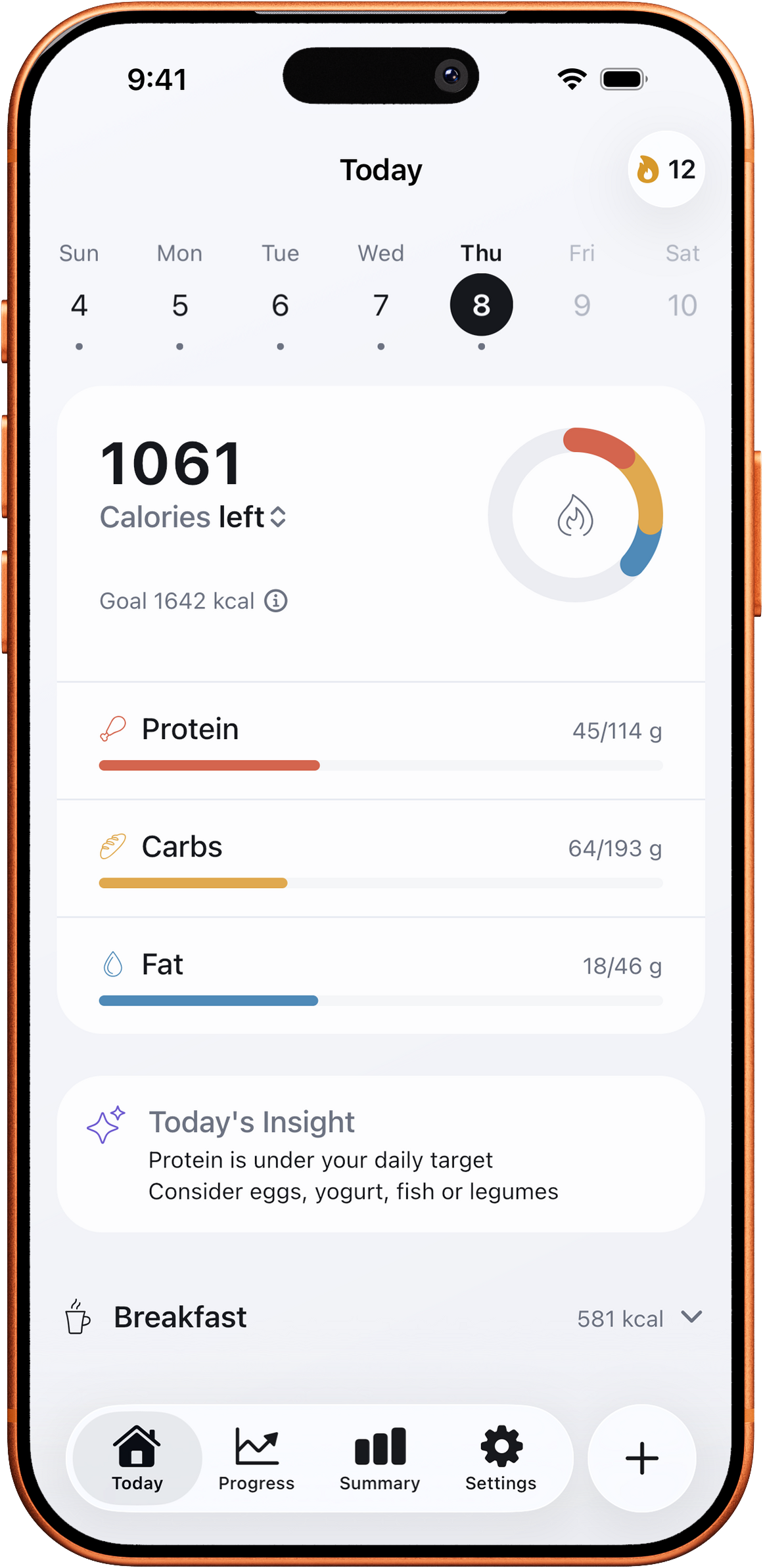
In ClariMeal, a photo of your plate gives you an editable estimate of calories, protein, carbs and fat to review and correct before you log it. Photos are sent for analysis only with your consent, and a photo cannot see hidden butter, fat or the recipe. You can also log by search or barcode, save a dish you will eat again as a meal and see your daily totals against your targets on the Today screen.
Log Your Holiday PlateLog Your Holiday Plate
Sources
- U.S. Department of Agriculture, Agricultural Research Service. FoodData Central. fdc.nal.usda.gov ↑
- Cordeiro F, Epstein DA, Thomaz E, et al. Barriers and negative nudges: exploring challenges in food journaling. Proceedings of the SIGCHI Conference on Human Factors in Computing Systems 2015:1159-1162. doi.org/10.1145/2702123.2702155 ↑