How Much Protein Do I Need a Day? Find Your Number by Weight
Protein recommendations can give you different numbers. One guide says 0.8 grams per kilogram, another says 1.6, and when you are trying to lose weight it is hard to know which applies to you without making every meal a calculation.
Short answer: for adults eating fewer calories to lose weight, 1.2 to 1.6 grams of protein per kilogram of body weight per day is a research-based range to consider. The long-standing U.S. adult reference is 0.8 g/kg, and the European reference is 0.83 g/kg. Age and physical activity can change the range that makes sense for you.
There is no single number everyone needs. And the highest possible target is not necessarily the better one.
This article is for healthy adults. If you are pregnant or breastfeeding, have kidney disease or are under 18, talk with your doctor about your protein needs.
How much protein per kg do you need?
The different recommendations answer different questions.
0.8 to 0.83 g/kg is the general adult reference. The U.S. Recommended Dietary Allowance is 0.8 g/kg per day. The European Food Safety Authority sets its Population Reference Intake at 0.83 g/kg. These are reference values for healthy adults, not targets designed for weight loss or exercise [1, 2].
1.2 to 1.6 g/kg is a broader dietary goal. The Dietary Guidelines for Americans, 2025–2030, give this range as a protein goal, adjusted for individual calorie needs. Research on higher-protein diets during weight loss also commonly examines this range [3, 4].
Older adults and people who exercise regularly may have reasons to start from a different number. The sections below explain why.
Grams of protein per day by body weight
To find your daily amount, multiply your body weight in kilograms by the protein value you choose.
Daily protein (g) = body weight (kg) × protein target (g/kg)
70 kg × 1.2 g/kg = 84 g of protein per day
The values in the table are grams of protein per day.
| Body weight | 0.8 g/kg | 1.0 g/kg | 1.2 g/kg | 1.6 g/kg |
|---|---|---|---|---|
| 55 kg (121 lb) | 44 | 55 | 66 | 88 |
| 60 kg (132 lb) | 48 | 60 | 72 | 96 |
| 70 kg (154 lb) | 56 | 70 | 84 | 112 |
| 80 kg (176 lb) | 64 | 80 | 96 | 128 |
| 90 kg (198 lb) | 72 | 90 | 108 | 144 |
| 100 kg (220 lb) | 80 | 100 | 120 | 160 |
The table uses body weight without further adjustments. It shows what each calculation gives, not which column everyone should follow. For a higher body weight, the protein calculator uses the weight at a BMI of 30 instead of your current weight, so your result may be lower than your row in the table. If you know your weight in pounds, divide it by 2.2 to get an approximate weight in kilograms.
-
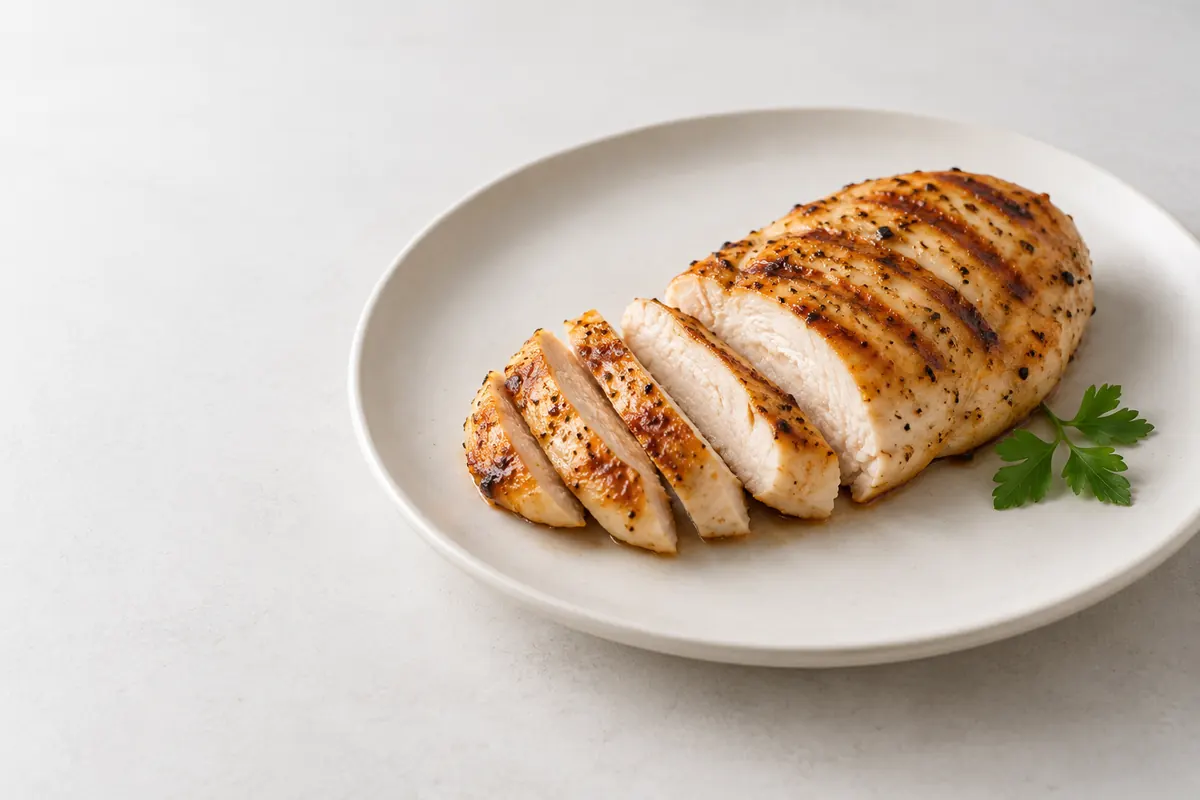 47 g Chicken breast 150 g
-
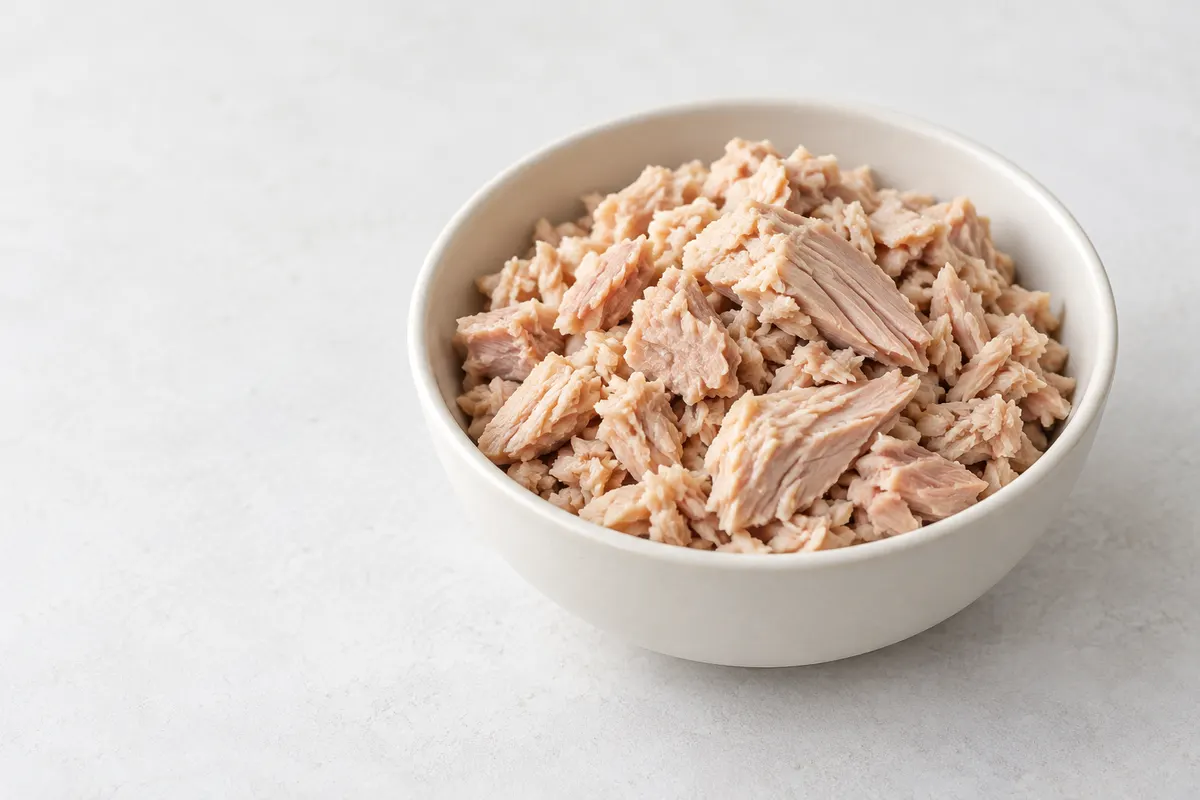 32 g Tuna 1 can, drained (165 g)
-
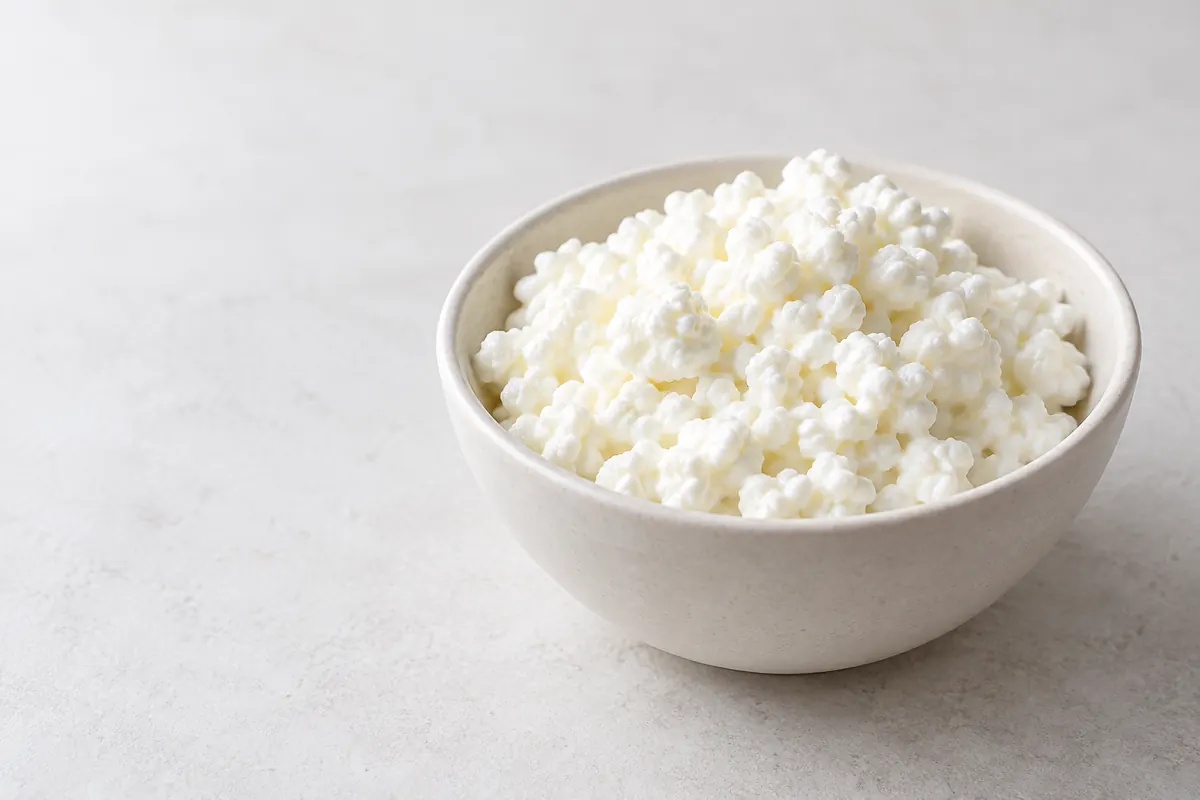 24 g Cottage cheese 1 cup, not packed (226 g)
-
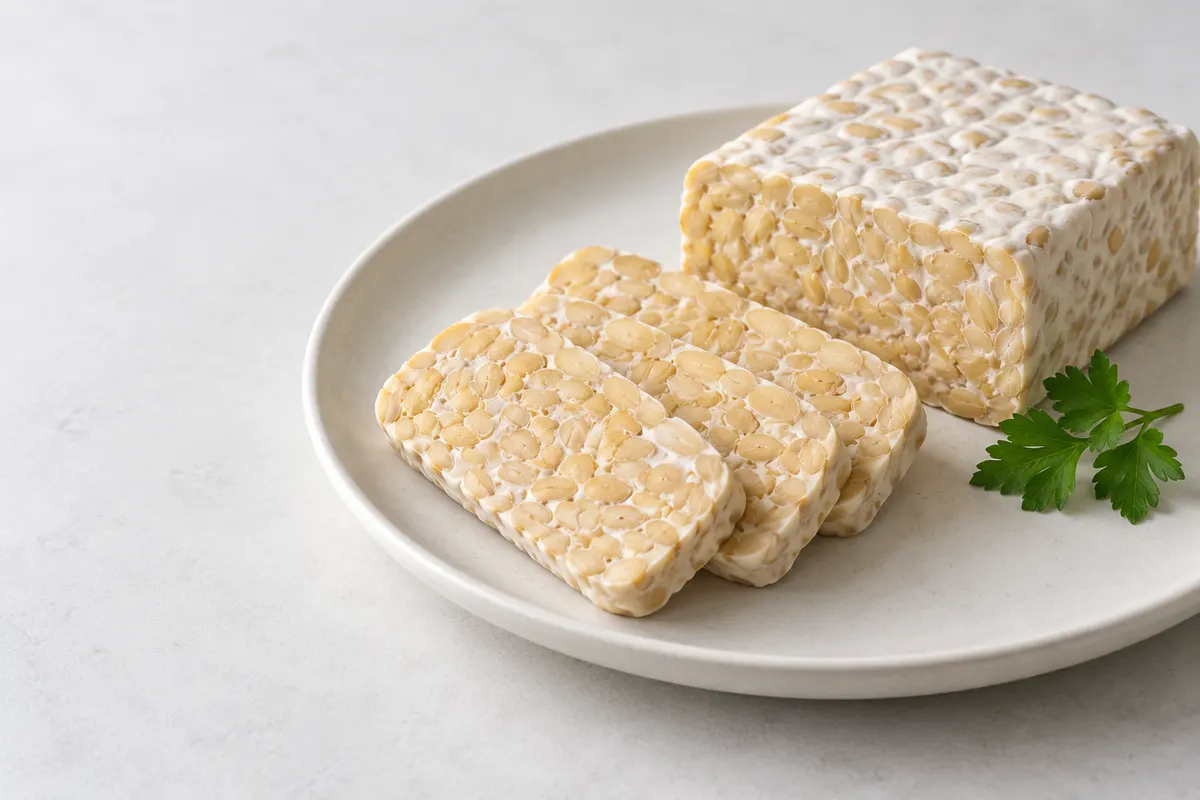 20 g Tempeh 100 g
-
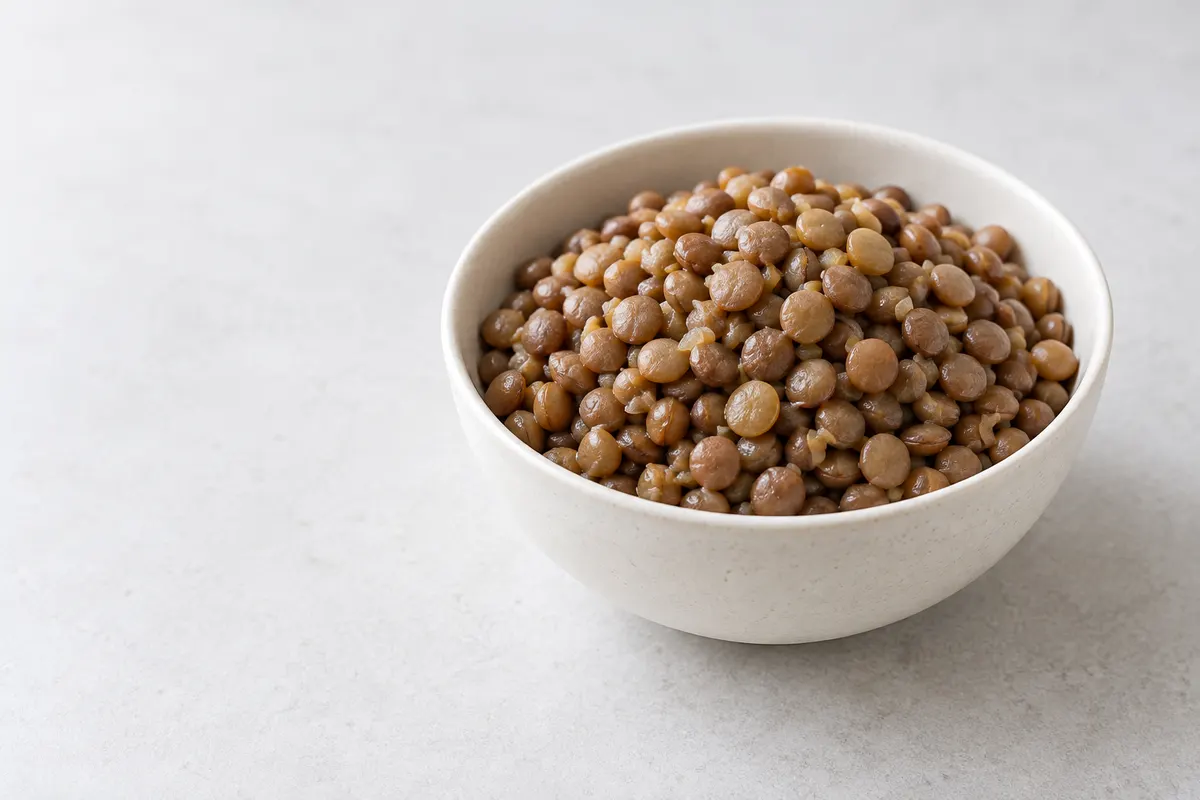 18 g Lentils, cooked 1 cup (198 g)
-
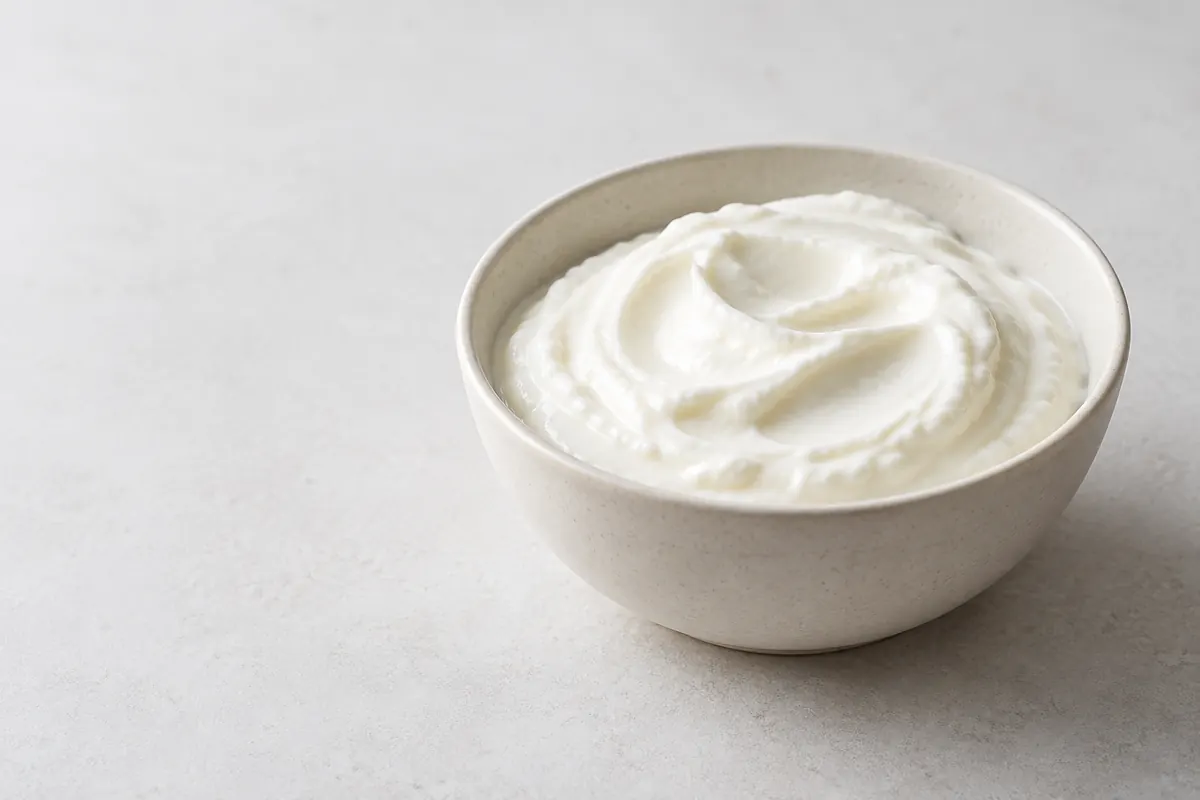 15 g Greek yogurt 150 g
-
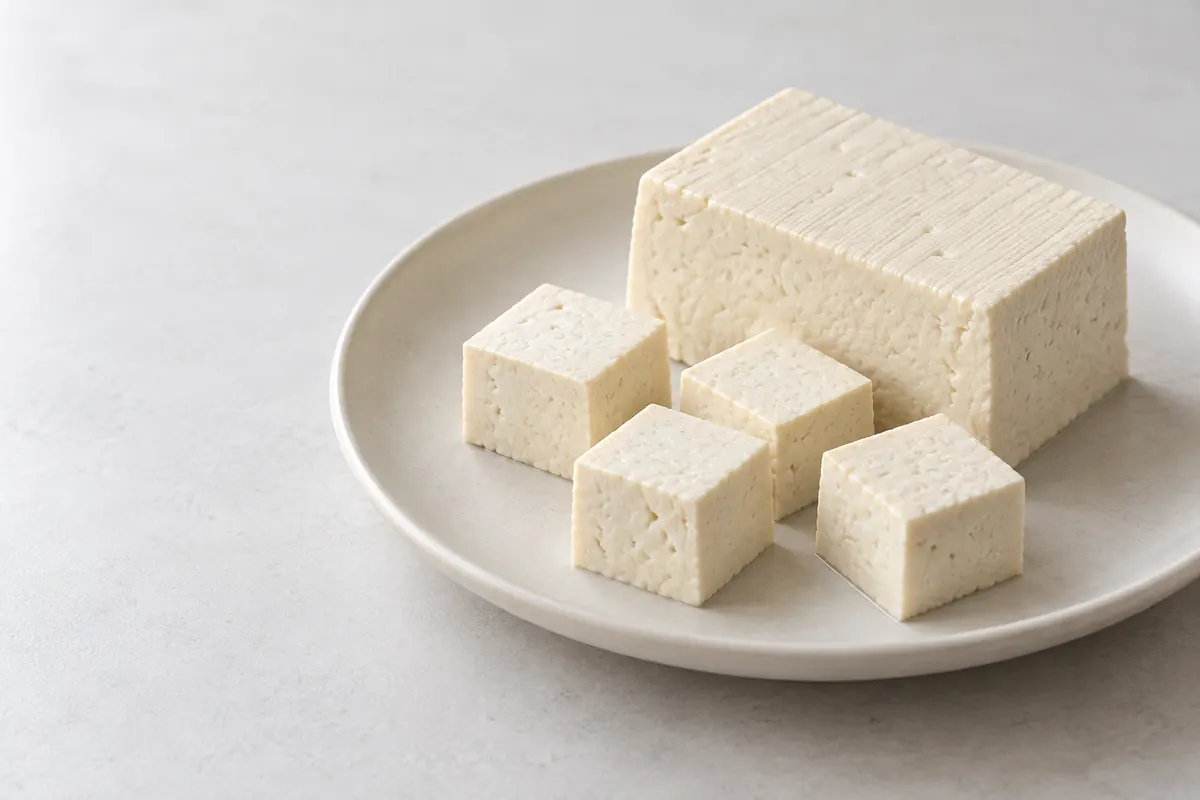 14 g Tofu, firm 150 g
-
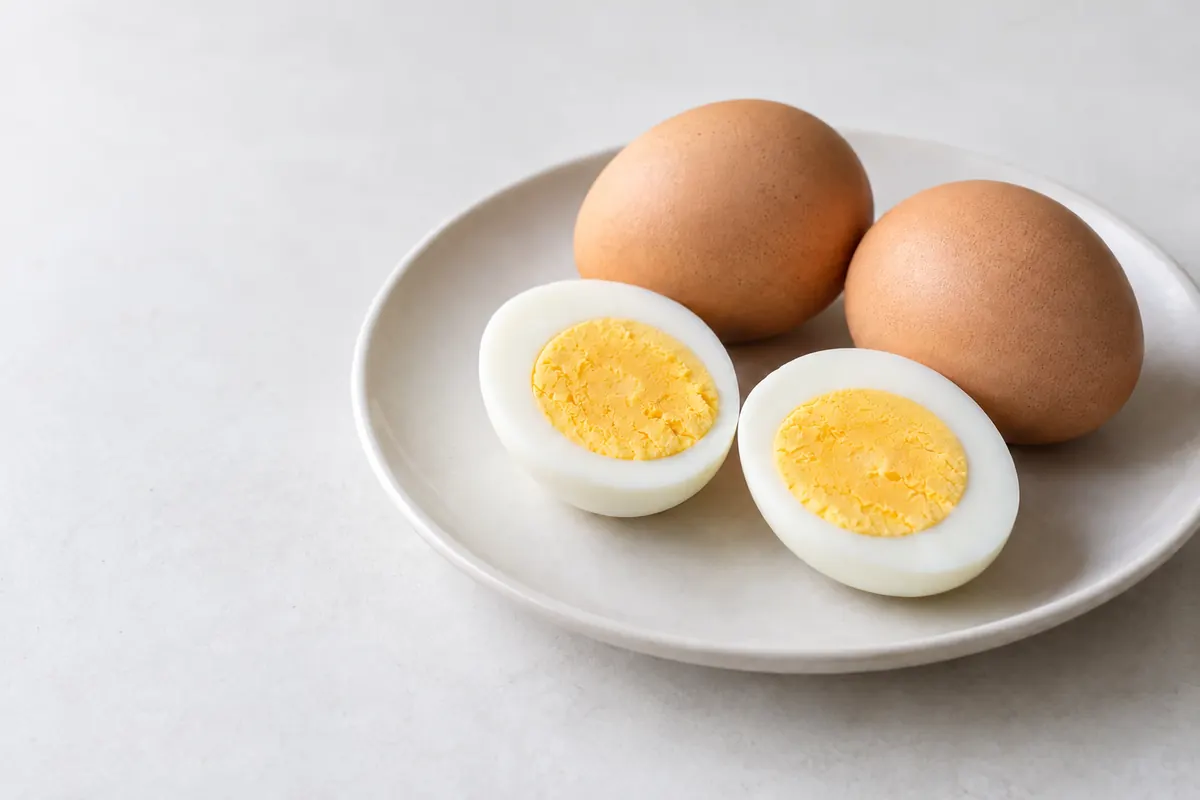 6 g Egg 1 large (50 g)
Who may need more protein?
Adults over 65
Experts on aging recommend more protein to help older people keep muscle and strength. The PROT-AGE Study Group recommends at least 1.0 to 1.2 g/kg per day for people over 65, and 1.2 g/kg or more for older adults who exercise. The ESPEN Expert Group also recommends at least 1.0 to 1.2 g/kg for healthy older adults [5, 6].
This is why the general 0.8 g/kg reference may not be the most useful number after 65.
People who exercise regularly
Physical activity, especially strength training, can change protein needs. The International Society of Sports Nutrition names 1.4 to 2.0 g/kg per day as enough for most people who exercise [7].
This is an exercise recommendation, not a reason for everyone trying to lose weight to choose 2.0 g/kg. Your type of activity and your goal matter more than the top of the range.
People eating fewer calories to lose weight
Protein can help some people feel satisfied while eating fewer calories. It may also help keep fat-free mass during weight loss [4, 8].
Research reviews suggest 1.2 to 1.6 g/kg per day as a useful range here [4]. But the benefits are generally modest, and longer-term findings are not always consistent [4, 8]. An eating pattern you can keep matters more.
Protein is one part of that pattern. It is not a weight-loss solution on its own.
Why more protein is not always better
A 2018 meta-analysis of strength training studies in healthy adults who were not restricting calories found that protein beyond a total intake of about 1.6 g/kg per day gave no further average gain in fat-free mass [9]. That finding comes from those studies and is not a strict limit for everyone. It also does not mean you should aim for exactly 1.6 g/kg.
If a high target makes your usual meals hard to plan, that matters. The calculation should give you a useful reference, not another number to worry about all day.
How to check your own protein number
- Find your weight in kilograms. Use your current weight, or divide pounds by 2.2.
- Choose the range that fits you. If you are trying to lose weight, consider 1.2 to 1.6 g/kg. If you are over 65 or train regularly, compare the recommendations for those groups too. The ranges can overlap; you do not add them together.
- Calculate the grams. Multiply your weight by the value you chose. At 70 kg, 1.2 to 1.6 g/kg gives 84 to 112 g per day. Treat it as a starting estimate, not a number you must match exactly.
- Compare it with your usual meals. Look at how protein adds up across an ordinary day. If your number is near 100 g, see how to get 100 grams of protein a day with ordinary foods. To compare foods by protein per calorie, use the high protein, low calorie foods table. For snack ideas, see high-protein snacks under 200 calories.
You can also let a calculator do the multiplication. The ClariMeal protein calculator starts at 1.6 g/kg for a weight-loss goal. It uses your current weight or the weight at a BMI of 30 for your height, whichever is lower, and keeps protein between 10% and 35% of your daily calories (at most 30% at age 18). So its result may differ from the table above.
Once you have a number, you do not need to recalculate it after every meal. Check how it fits your usual eating pattern and use it as a reference.
See your protein target in ClariMeal
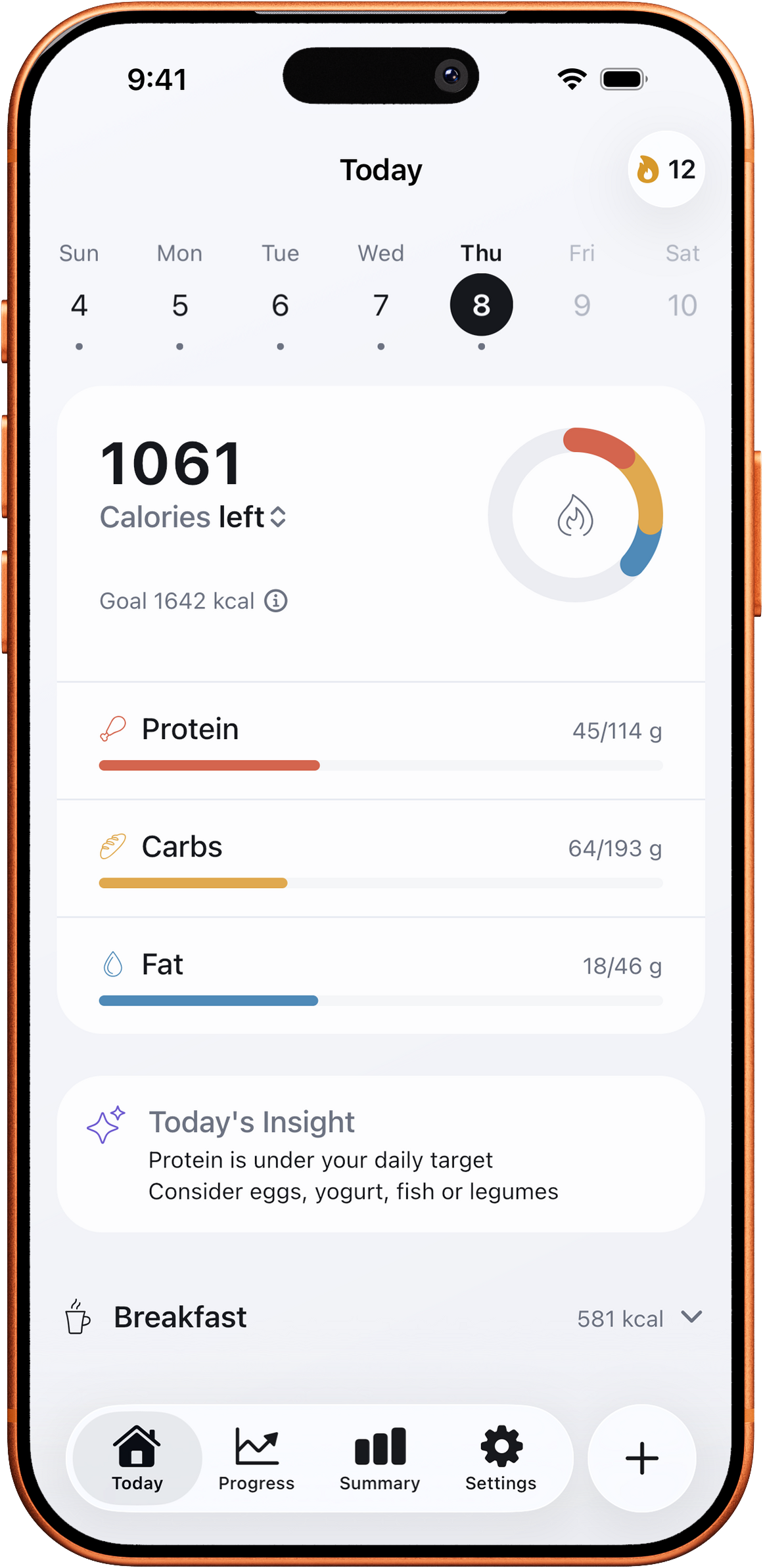
In ClariMeal, a protein bar on the Today screen shows how your logged meals compare with your daily target. You can log a meal by photo, search or barcode; a photo is sent for analysis only with your consent, and you review and correct the estimate before logging.
Sources
- Institute of Medicine. Dietary Reference Intakes for Energy, Carbohydrate, Fiber, Fat, Fatty Acids, Cholesterol, Protein, and Amino Acids. National Academies Press, 2005. doi.org/10.17226/10490 ↑
- EFSA Panel on Dietetic Products, Nutrition and Allergies. Scientific Opinion on Dietary Reference Values for protein. EFSA Journal 2012;10(2):2557. doi.org/10.2903/j.efsa.2012.2557 ↑
- U.S. Department of Agriculture and U.S. Department of Health and Human Services. Dietary Guidelines for Americans, 2025–2030. cdn.realfood.gov/DGA.pdf ↑
- Leidy HJ, Clifton PM, Astrup A, et al. The role of protein in weight loss and maintenance. American Journal of Clinical Nutrition 2015;101(6):1320S-1329S. doi.org/10.3945/ajcn.114.084038 ↑
- Bauer J, Biolo G, Cederholm T, et al. Evidence-based recommendations for optimal dietary protein intake in older people: a position paper from the PROT-AGE Study Group. Journal of the American Medical Directors Association 2013;14(8):542-559. doi.org/10.1016/j.jamda.2013.05.021 ↑
- Deutz NE, Bauer JM, Barazzoni R, et al. Protein intake and exercise for optimal muscle function with aging: recommendations from the ESPEN Expert Group. Clinical Nutrition 2014;33(6):929-936. doi.org/10.1016/j.clnu.2014.04.007 ↑
- Jäger R, Kerksick CM, Campbell BI, et al. International Society of Sports Nutrition Position Stand: protein and exercise. Journal of the International Society of Sports Nutrition 2017;14:20. doi.org/10.1186/s12970-017-0177-8 ↑
- Wycherley TP, Moran LJ, Clifton PM, et al. Effects of energy-restricted high-protein, low-fat compared with standard-protein, low-fat diets: a meta-analysis of randomized controlled trials. American Journal of Clinical Nutrition 2012;96(6):1281-1298. doi.org/10.3945/ajcn.112.044321 ↑
- Morton RW, Murphy KT, McKellar SR, et al. A systematic review, meta-analysis and meta-regression of the effect of protein supplementation on resistance training-induced gains in muscle mass and strength in healthy adults. British Journal of Sports Medicine 2018;52(6):376-384. doi.org/10.1136/bjsports-2017-097608 ↑