How to Get 100 Grams of Protein a Day With Ordinary Foods
One hundred grams of protein a day is a target you may see in weight-loss advice. Looking at a usual day of meals, though, it is hard to tell how much protein is already there or what would need to change.
Do you need more meat, a protein shake or a kitchen scale for every meal? Not necessarily.
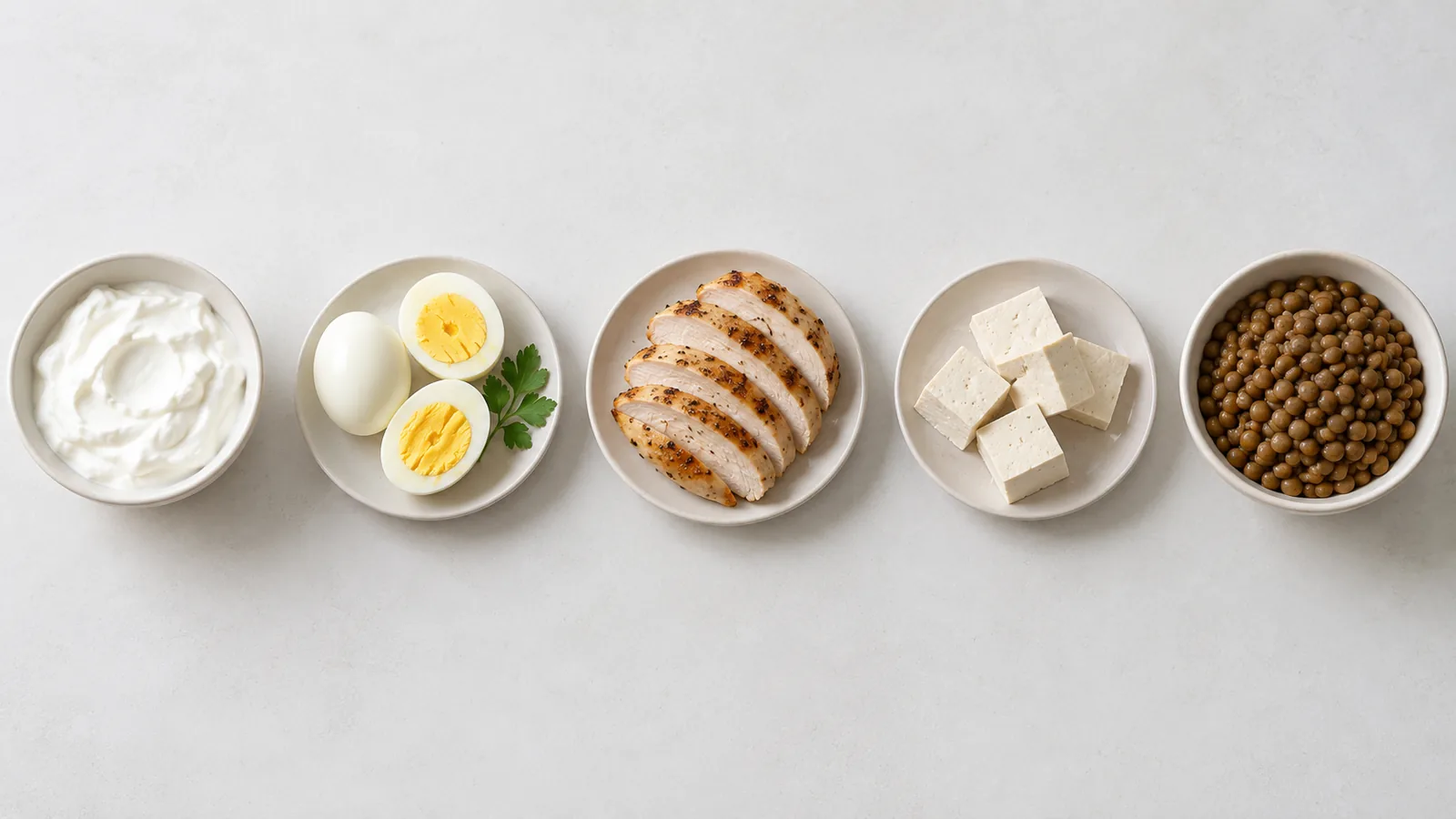
Familiar foods such as eggs, yogurt, chicken, tuna, tofu and lentils can bring you to around 100 g of protein. The useful first step is to check whether 100 g makes sense for you. Then you can see how ordinary portions add up without calculating every ingredient.
Here is what 100 g of protein looks like, two examples that reach about that amount and a simple way to plan your own day.
Is 100 grams of protein a day right for you?
100 g is an example, not a universal daily requirement. The amount that suits you depends on your weight, calorie needs and goals.
Different protein guidelines also serve different purposes:
- The U.S. Recommended Dietary Allowance, set in 2005, is 0.8 g of protein per kilogram of body weight per day for healthy adults [1].
- The European Food Safety Authority sets an adult population reference intake of 0.83 g/kg per day [2].
- The Dietary Guidelines for Americans, 2025–2030, suggest 1.2 to 1.6 g/kg per day, adjusted for individual calorie needs [3].
Research on higher-protein diets during weight loss has found modest benefits for keeping fat-free mass. Some studies also report greater fullness, although longer-term results are less consistent [4, 5].
None of these numbers means that everyone trying to lose weight must eat 100 g of protein.
Check your own number
For a weight-loss goal, the ClariMeal protein calculator starts with this formula:
Body weight in kg × 1.6 = daily protein in grams
62.5 kg (about 138 lb) × 1.6 = 100 g per day
That is the starting calculation, not always the final target. The calculator uses your current weight or the weight at a BMI of 30, whichever is lower. It also keeps protein between 10% and 35% of your daily calories (at most 30% at age 18).
So your result may differ from the simple example. If your target is 80 g or 120 g, use that number rather than trying to reach 100 g. To see where these numbers come from and how they change with age and activity, read how much protein you need a day.
What does 100 grams of protein look like?
100 g of protein does not mean 100 g of food.
For example, 150 g of roasted chicken breast provides about 47 g of protein. One large hard-boiled egg provides about 6 g. The amount depends on the food and the portion.
-
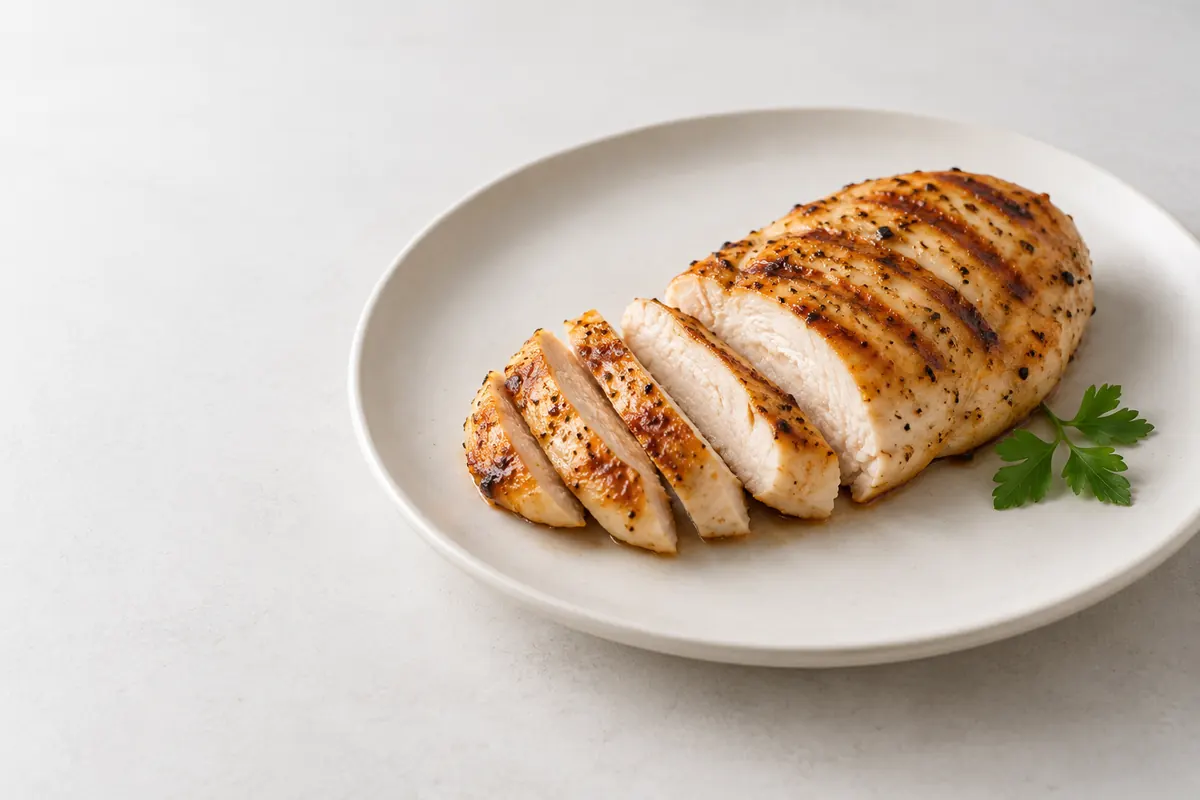 47 g Chicken breast 150 g
-
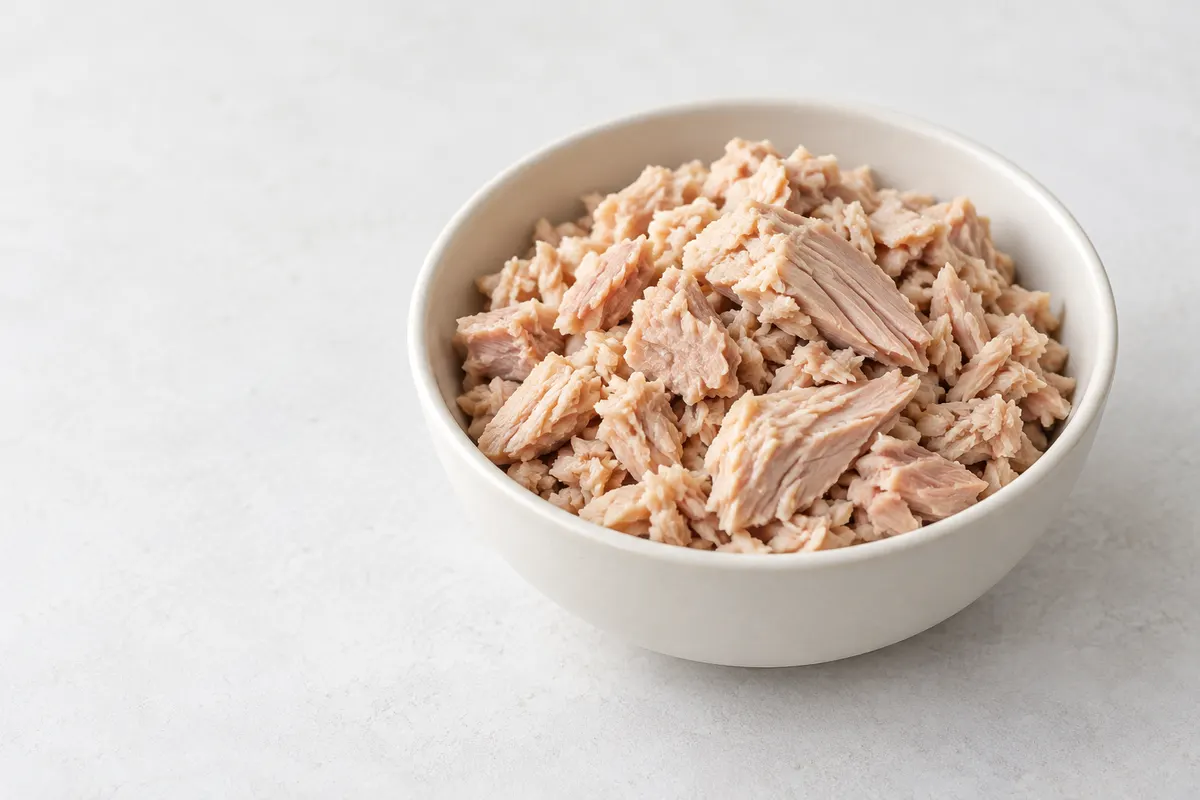 32 g Tuna 1 can, drained (165 g)
-
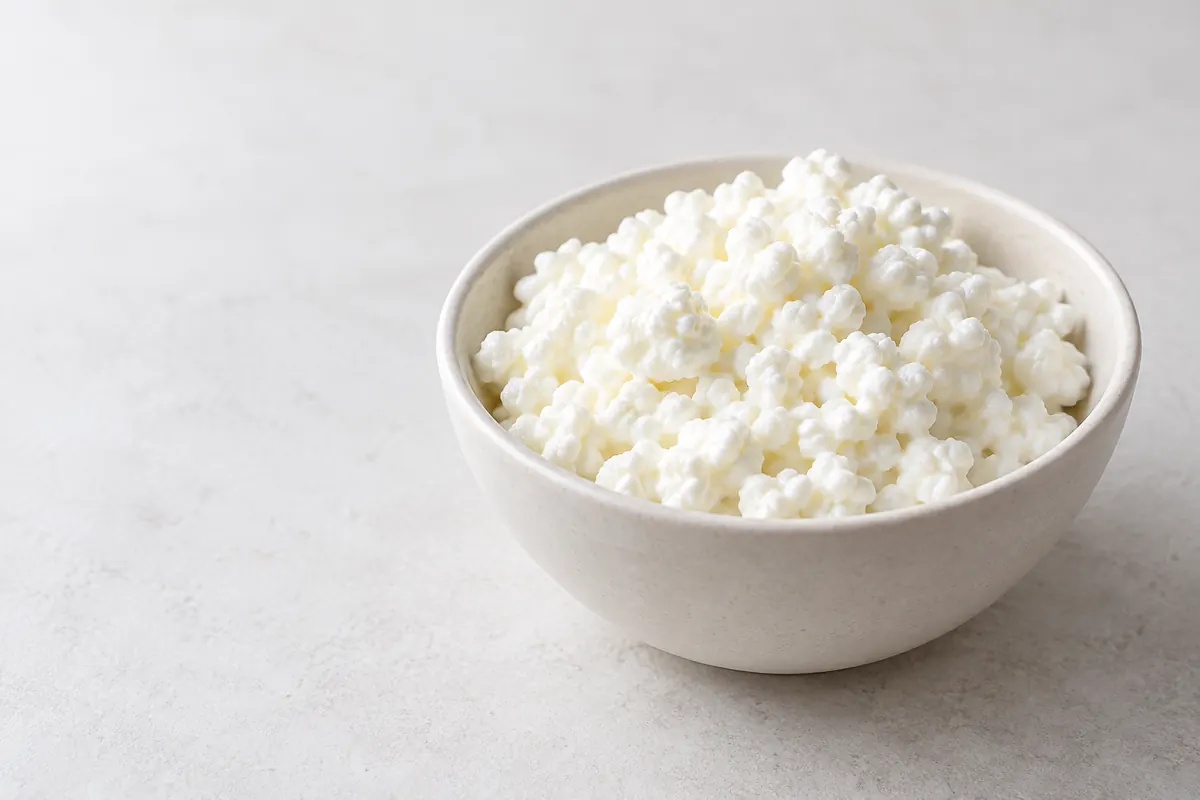 24 g Cottage cheese 1 cup, not packed (226 g)
-
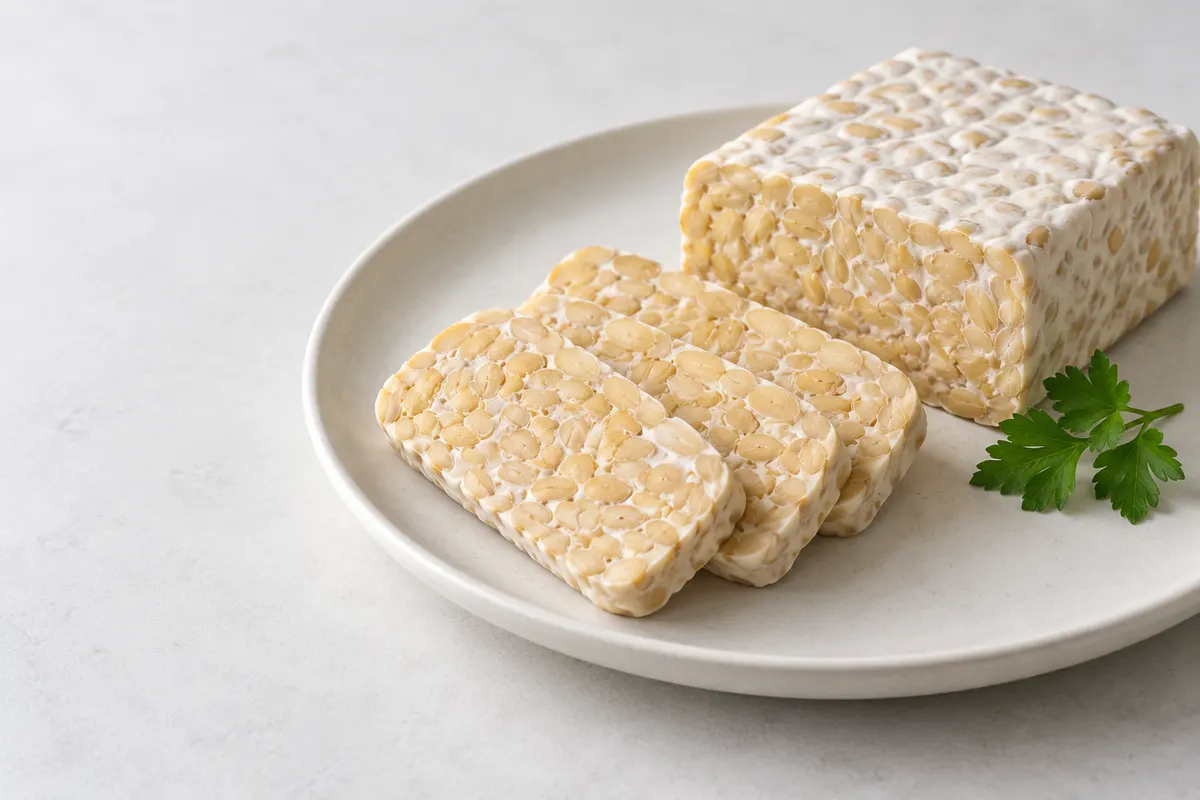 20 g Tempeh 100 g
-
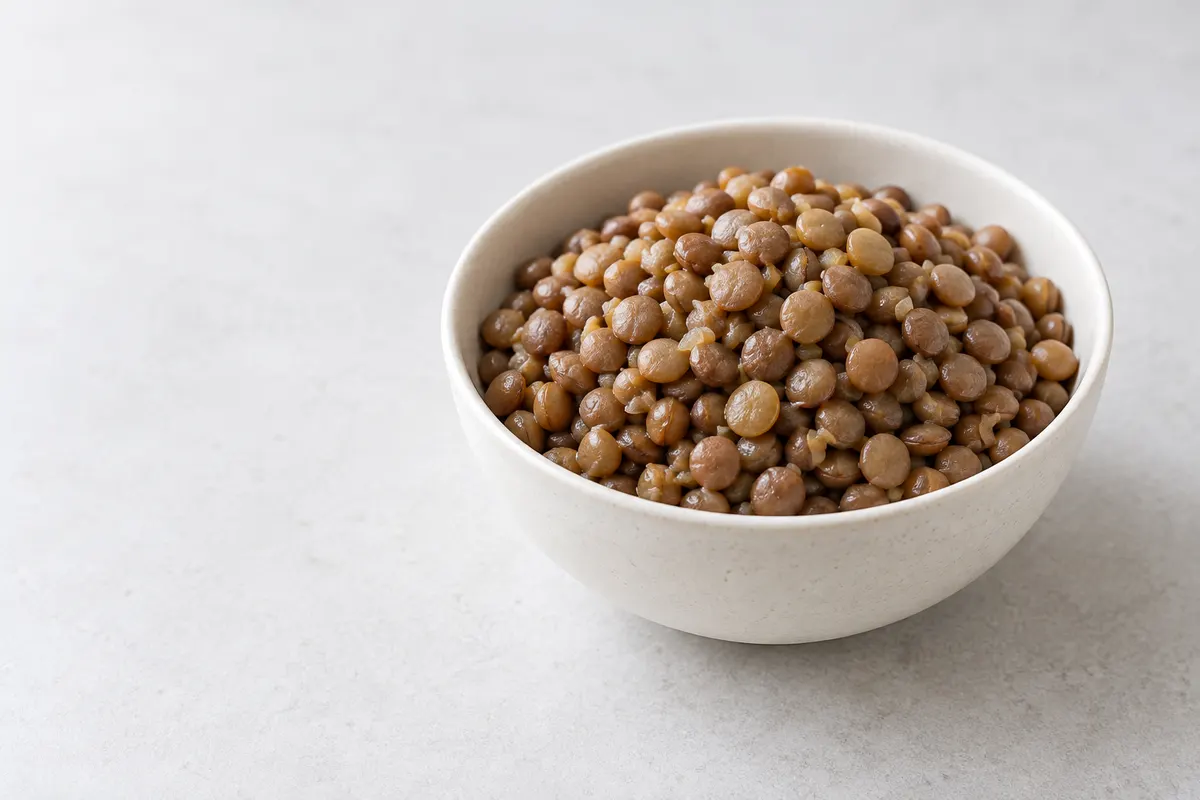 18 g Lentils, cooked 1 cup (198 g)
-
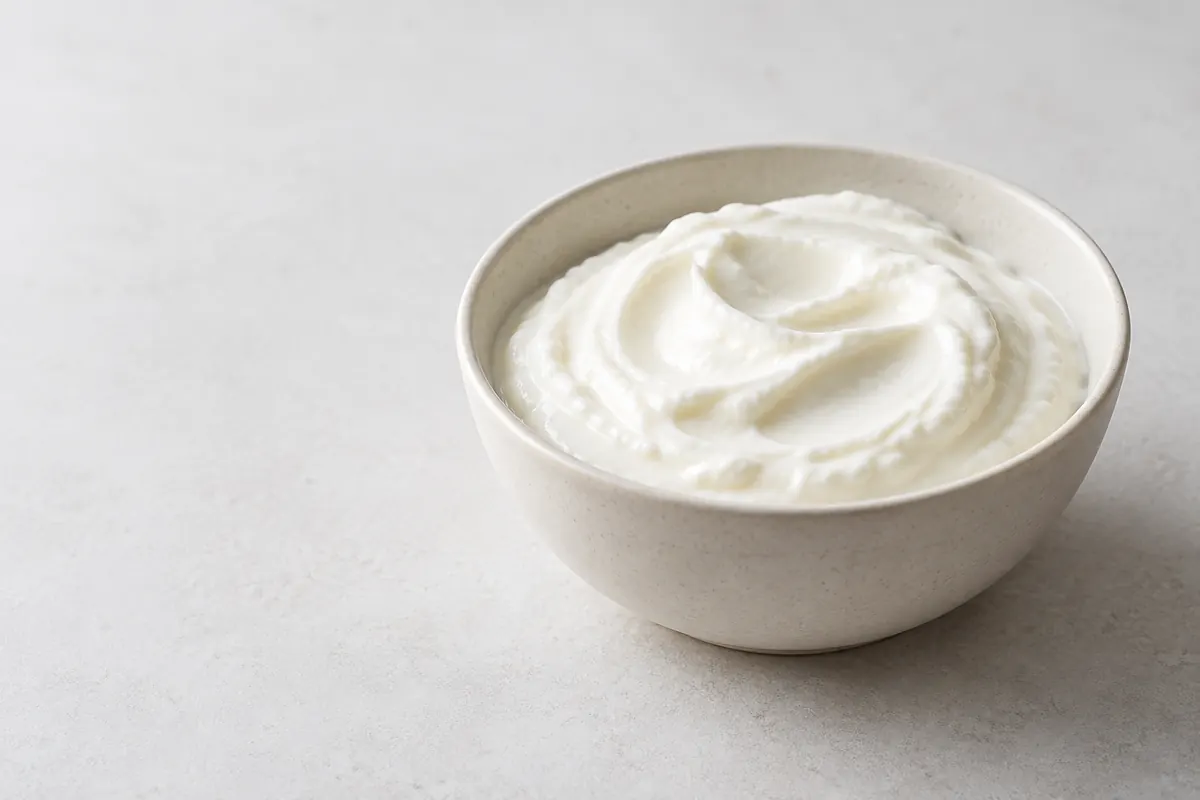 15 g Greek yogurt 150 g
-
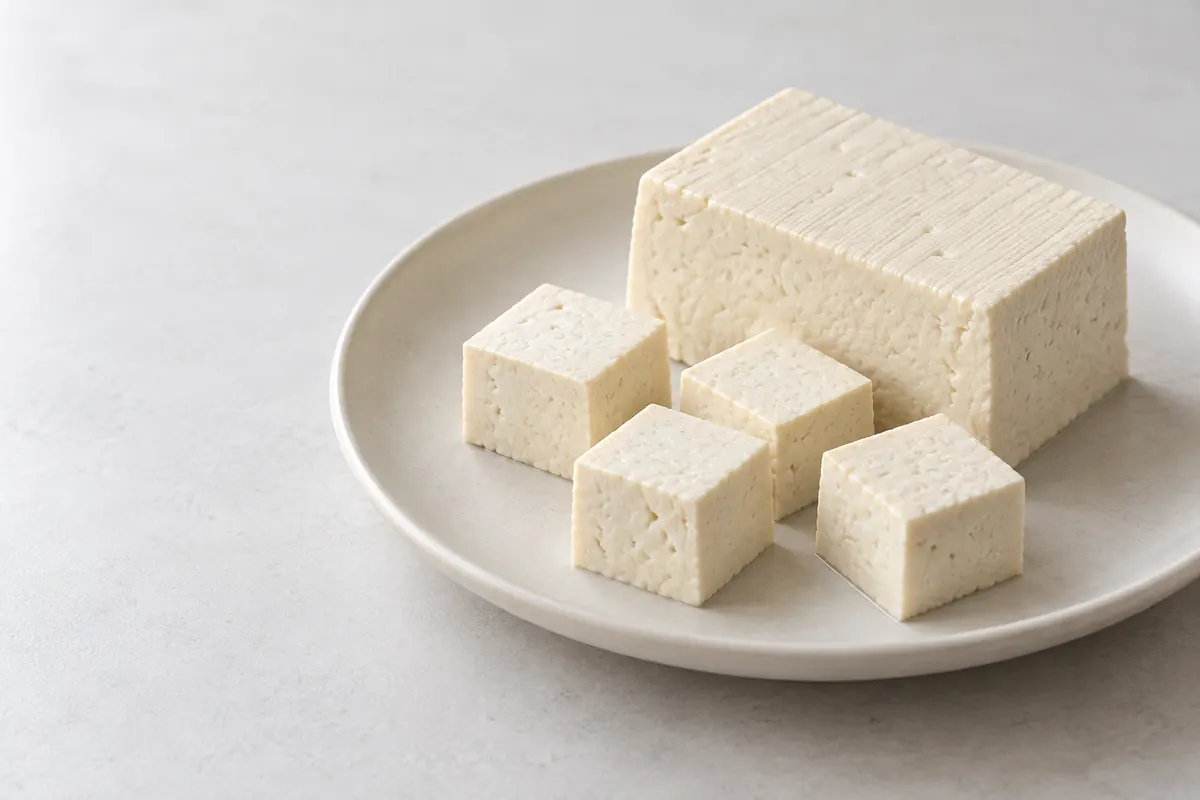 14 g Tofu, firm 150 g
-
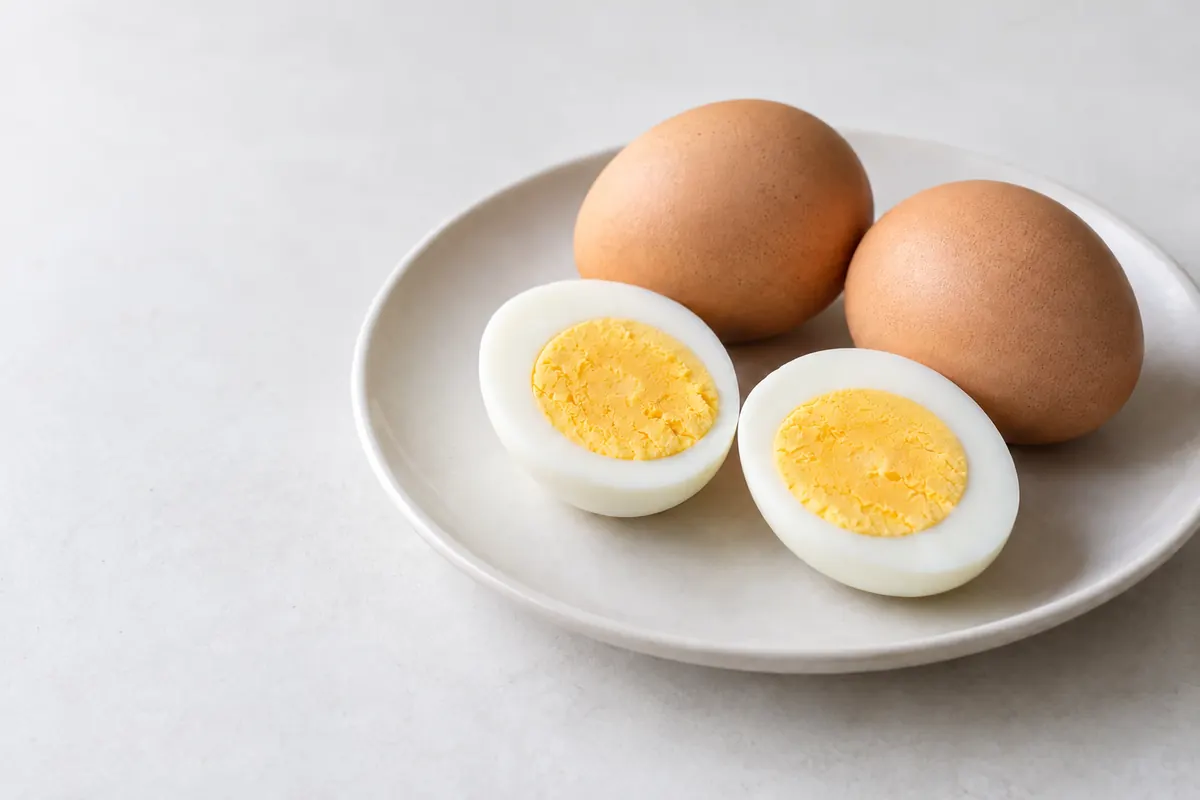 6 g Egg 1 large (50 g)
| Food and portion | Protein (g) | Calories (kcal) |
|---|---|---|
| Chicken breast, roasted, 150 g | 47 | 248 |
| Tuna, canned in water, 165 g drained | 32 | 142 |
| Turkey breast, roasted, 85 g | 26 | 125 |
| Cottage cheese, 2%, 1 cup (226 g) | 24 | 183 |
| Shrimp, cooked, 85 g | 20 | 84 |
| Tempeh, 100 g | 20 | 192 |
| Edamame, frozen, prepared, 1 cup (155 g) | 18 | 188 |
| Lentils, cooked, 1 cup (198 g) | 18 | 230 |
| Greek yogurt, plain low-fat, 150 g | 15 | 110 |
| Tofu, firm, 150 g | 14 | 117 |
| Peanut butter, 2 tbsp (32 g) | 7 | 191 |
| Egg, hard-boiled, 1 large (50 g) | 6 | 78 |
| Almonds, 1 oz (about 28 g) | 6 | 164 |
Values are rounded and based on the USDA FoodData Central records used on the linked ClariMeal food pages [6]. Protein and calories can vary by brand, preparation and portion size. For canned foods, check the drained weight.
You do not need to choose foods only by their protein content. But if you are also watching calories, the high protein, low calorie foods table compares everyday foods by protein per 100 kcal.
Two ways to add up to about 100 g
The examples below show the protein part of three meals, not complete daily menus.
Add the other foods you normally eat, including vegetables, fruit, grains and fats, in amounts that fit your needs. Those foods add some protein too.
The table above rounds to whole grams; the examples use one decimal, so small differences can appear.
Example 1: about 106 g of protein
| Meal | Protein foods | Protein (g) |
|---|---|---|
| Breakfast | Plain low-fat Greek yogurt, 150 g, and 2 large hard-boiled eggs | 27.5 |
| Lunch | Tuna canned in water, 165 g drained | 32.1 |
| Dinner | Roasted chicken breast, 150 g | 46.5 |
| Total | 106.1 |
The three meals reach about 100 g of protein before you count any other foods you add.
Example 2: plant-forward, about 101 g of protein
| Meal | Protein foods | Protein (g) |
|---|---|---|
| Breakfast | Plain low-fat Greek yogurt, 150 g, and almonds, 1 oz | 20.9 |
| Lunch | Firm tofu, 150 g, and cooked lentils, 1 cup | 31.4 |
| Dinner | Tempeh, 150 g, and edamame, 1 cup | 48.9 |
| Total | 101.2 |
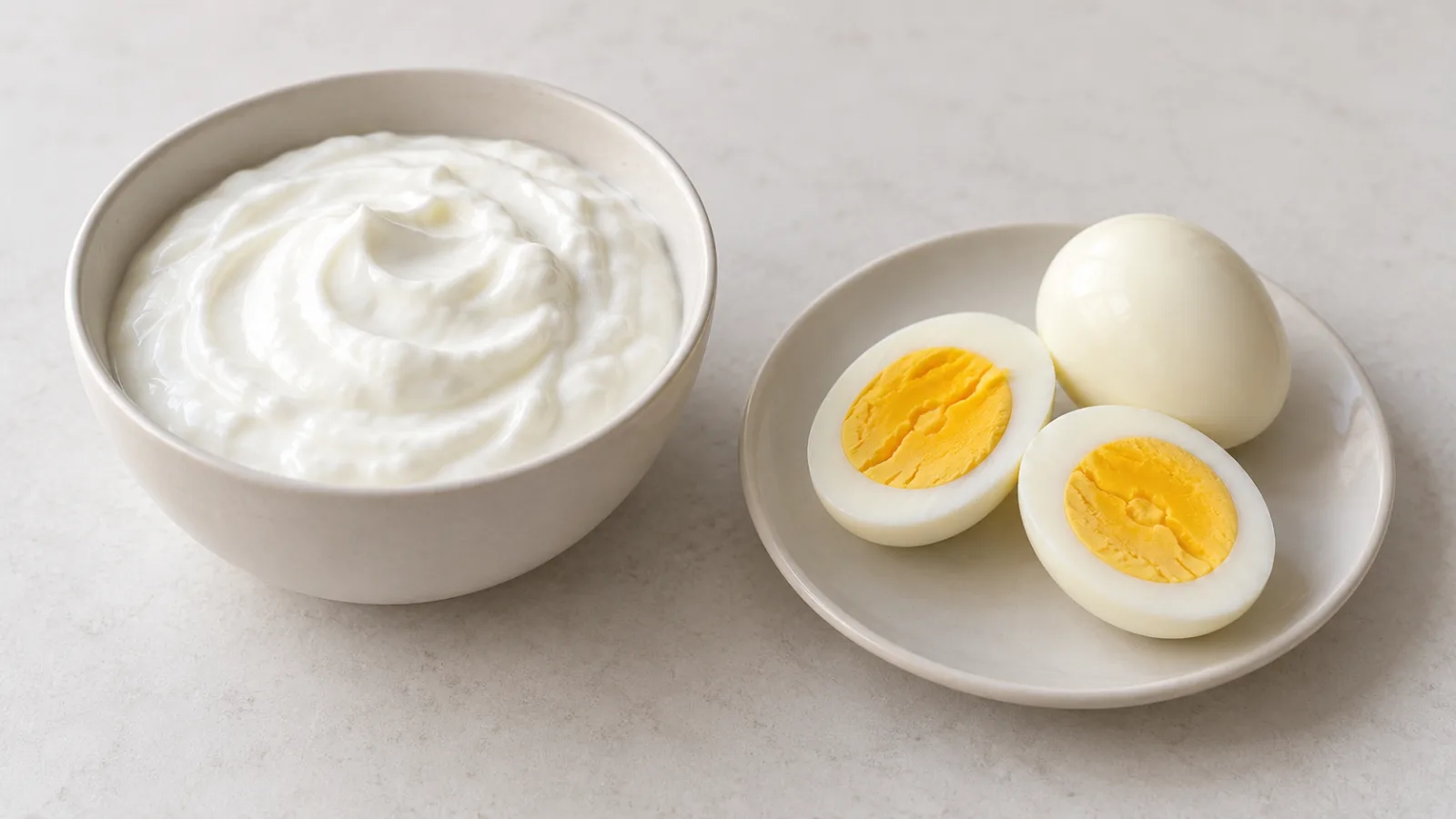 Example 1, breakfast: Greek yogurt and 2 eggs
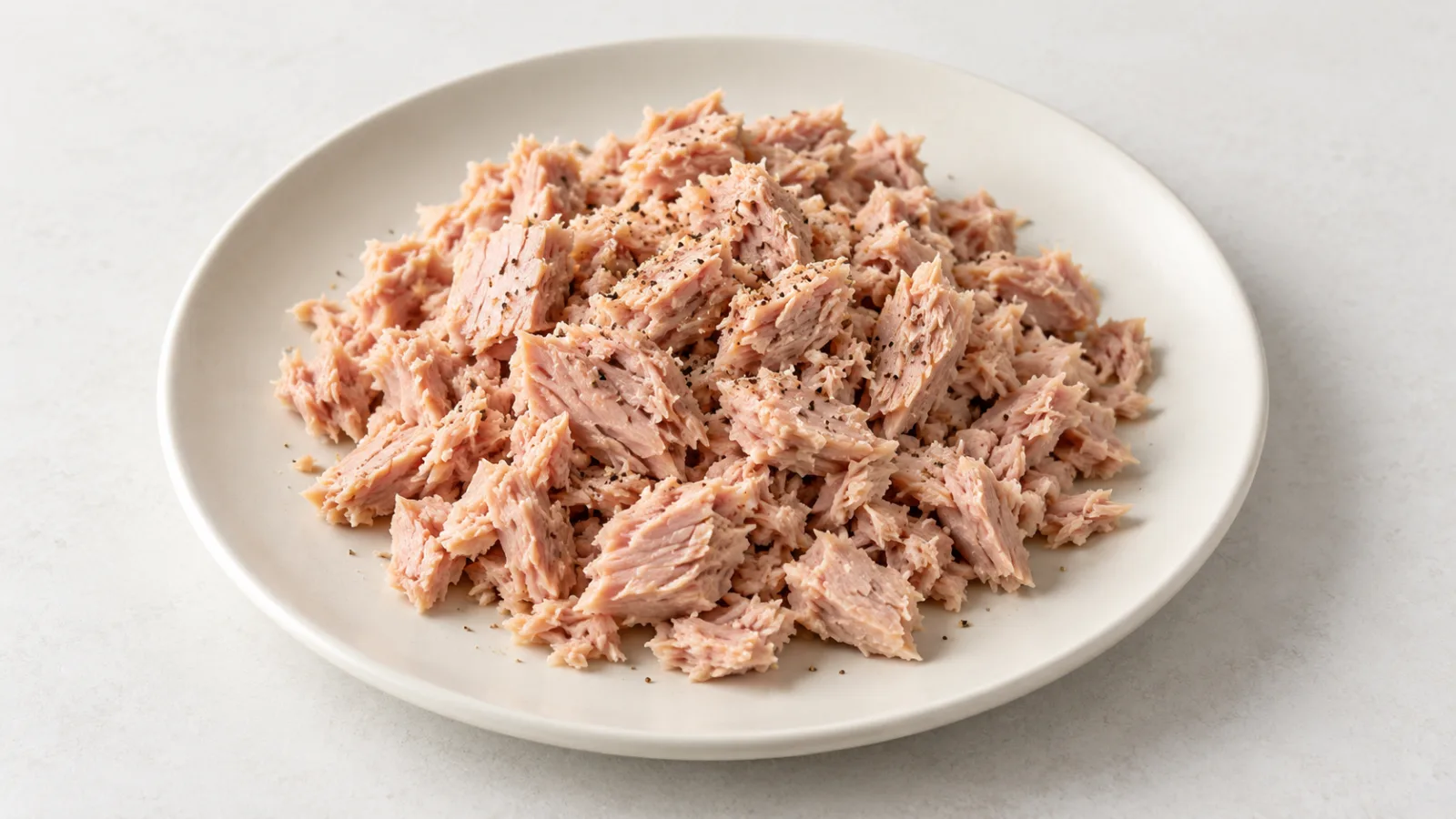 Example 1, lunch: tuna
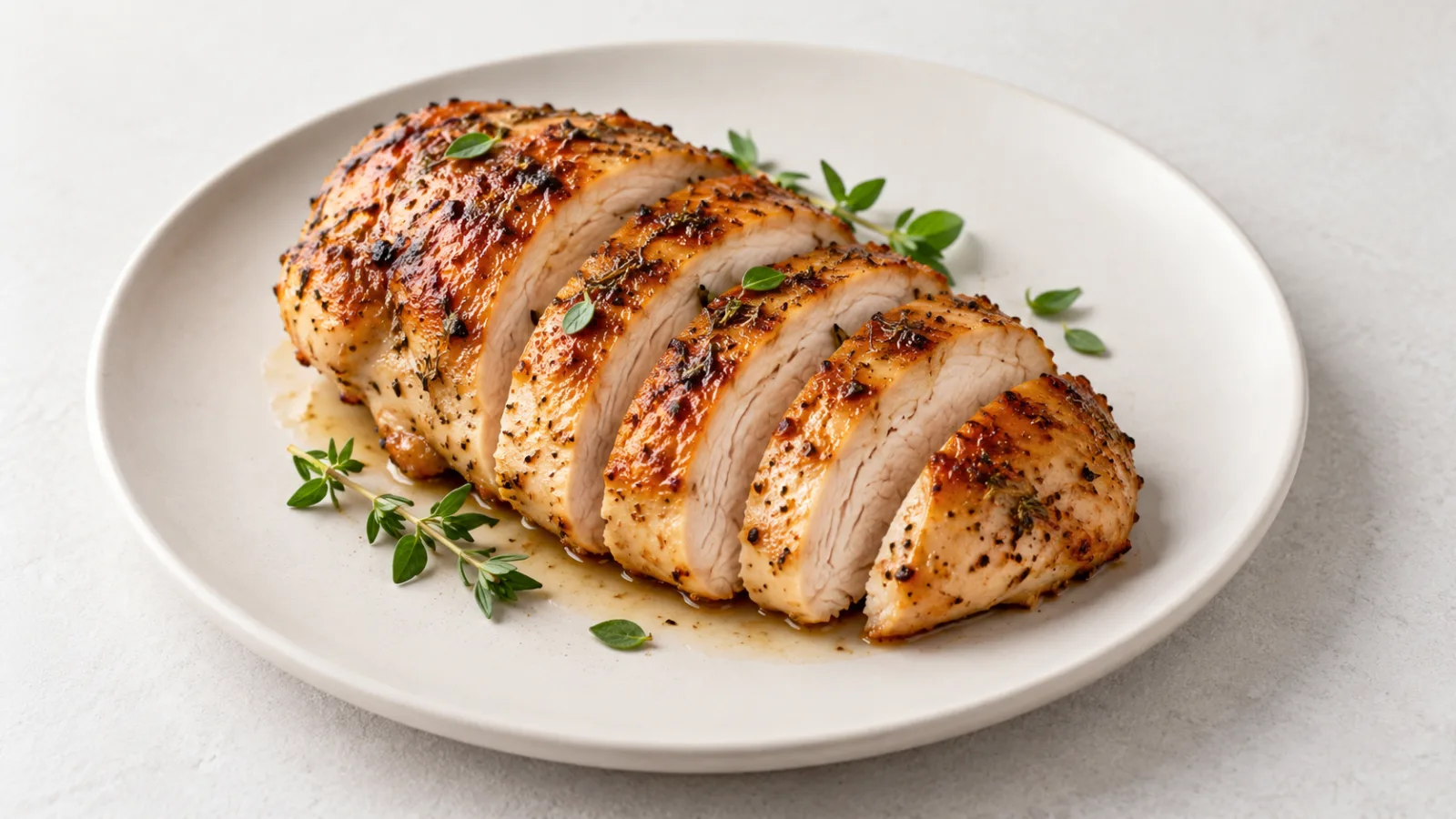 Example 1, dinner: chicken breast
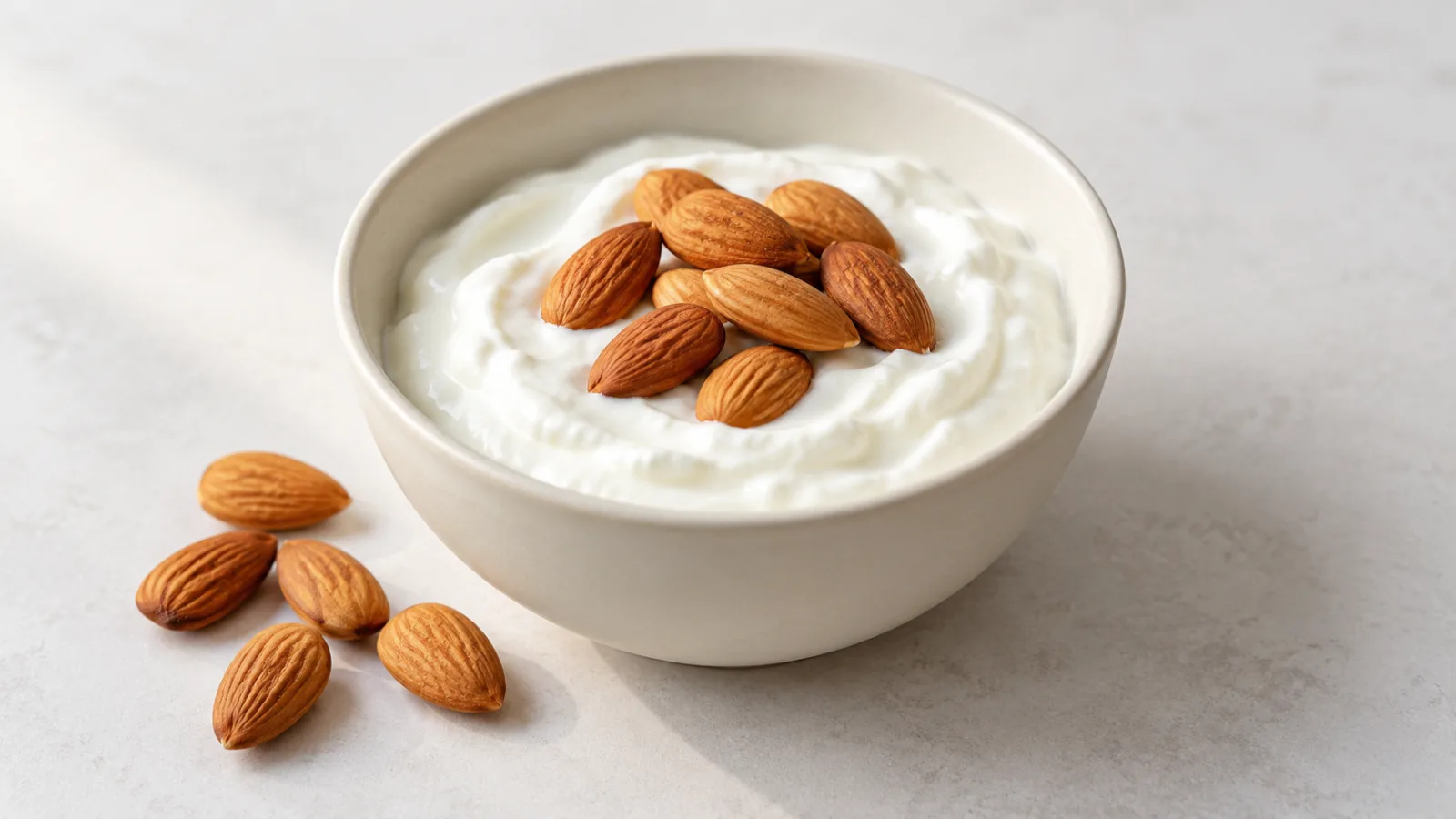 Example 2, breakfast: Greek yogurt and almonds
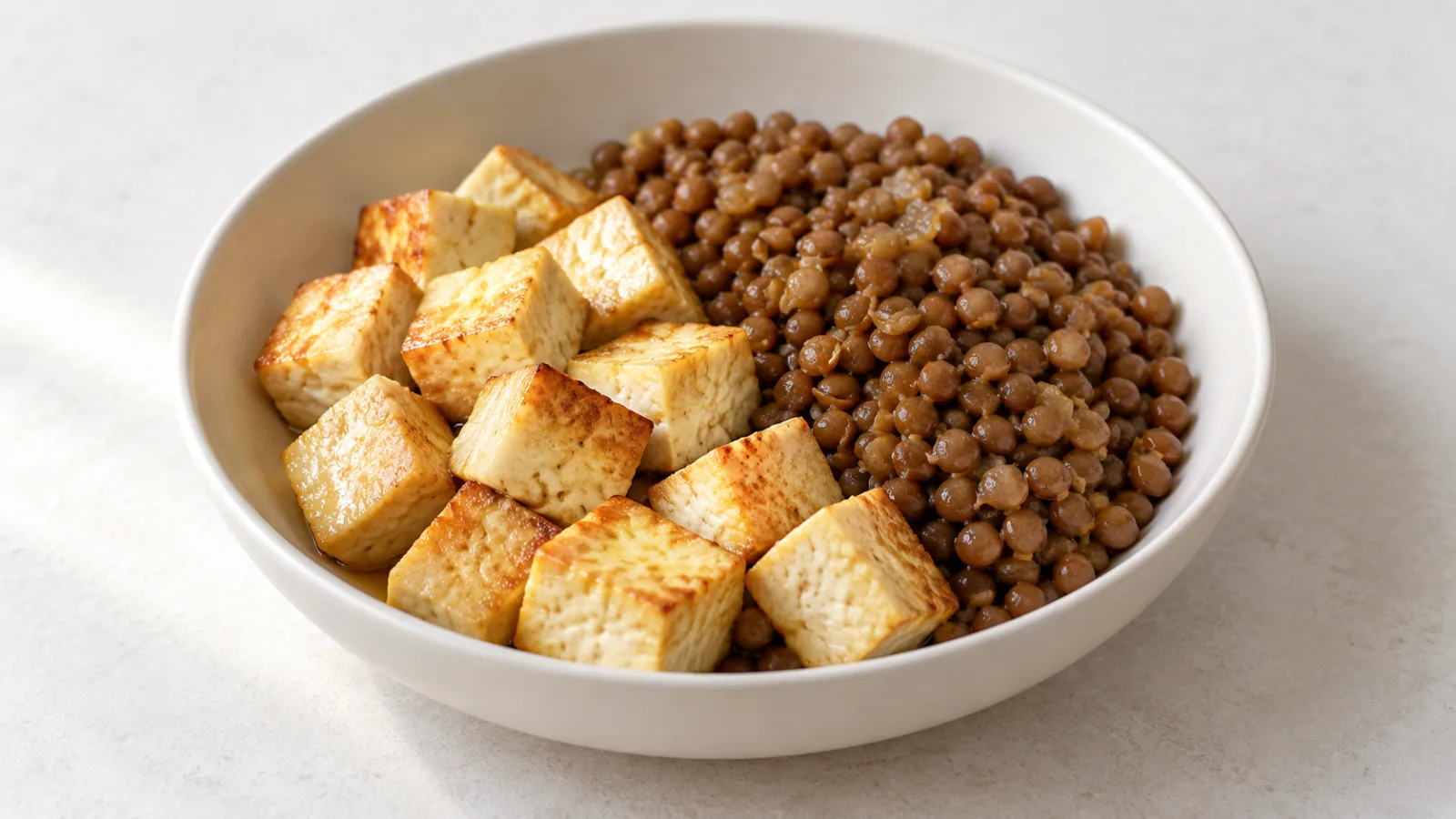 Example 2, lunch: tofu and lentils
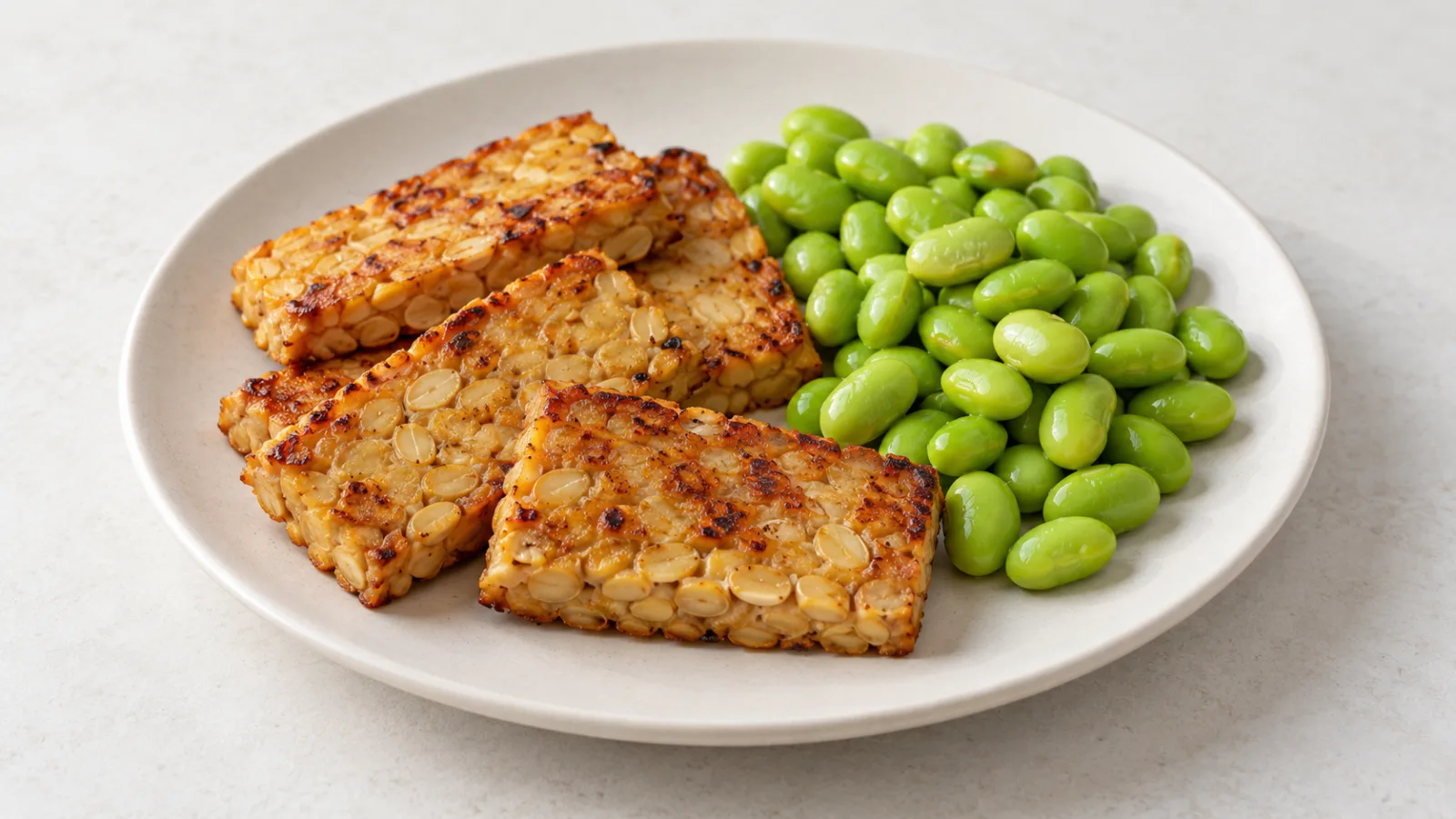 Example 2, dinner: tempeh and edamame
A 150 g portion of tempeh provides about 30 g of protein. With the edamame, dinner gives about 49 g.
This example is plant-forward rather than vegan because it includes yogurt.
Both examples show the same thing: you do not need one large protein serving or protein powder to reach around 100 g. Protein adds up across the foods you already enjoy.
How to plan your own day in four steps
- Check your target. Start with your own protein number rather than assuming 100 g is right for you. The protein calculator accounts for your weight, goal and estimated calorie needs. To see protein next to carbs and fat, use the macro calculator; how to count macros explains the split.
- Choose familiar foods for your main meals. You might have yogurt or eggs at breakfast, tuna or lentils at lunch and chicken or tofu at dinner. Choose portions that fit your usual meals and appetite.
- Estimate what those portions provide. Use the table above, the nutrition label on a package or a food database. For example, 150 g of the Greek yogurt listed here gives about 15 g of protein. Approximate amounts are enough to start. You do not need to weigh every ingredient.
- Make one adjustment if needed. If your estimated total is below your target, add a protein food you like or change a portion. If one day ends below your number, continue with your usual plan the next day. One day does not define your progress.
You may see advice to aim for about 25 to 30 g of protein per meal [4]. That can be a useful planning reference, but your meals do not need equal amounts.
The aim is to know approximately what your usual meals provide, not to make every meal an exact calculation.
See how your protein adds up
Once you know your target and a few familiar portions, you can stop guessing what is left for the day.
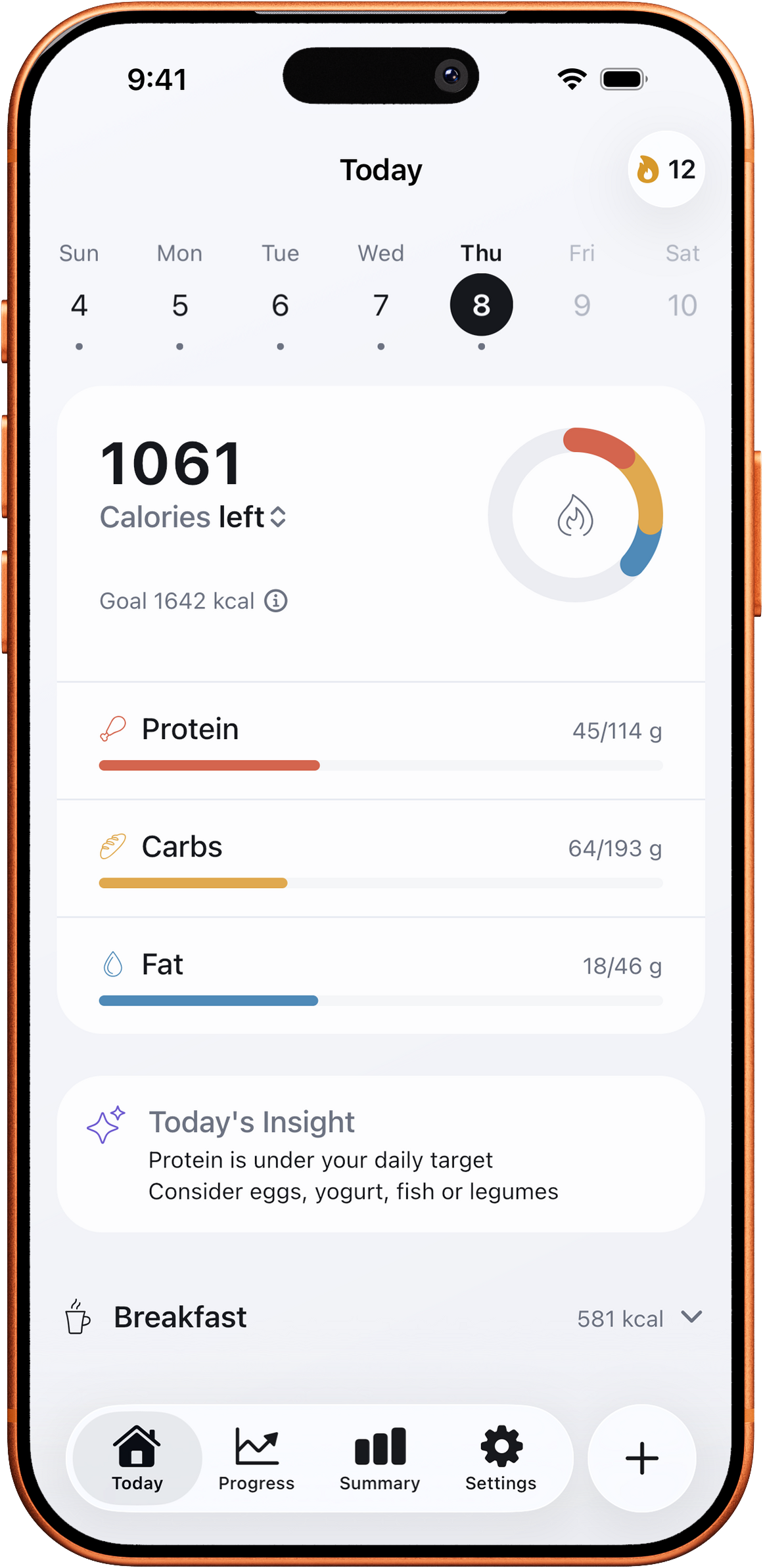
In ClariMeal, the Today screen shows how the protein in your logged meals compares with your personal daily target. You can log a meal by photo, search or barcode; a photo is sent for analysis only with your consent, and you review and correct the estimate before logging.
Sources
- Institute of Medicine. Dietary Reference Intakes for Energy, Carbohydrate, Fiber, Fat, Fatty Acids, Cholesterol, Protein, and Amino Acids. National Academies Press, 2005. doi.org/10.17226/10490 ↑
- EFSA Panel on Dietetic Products, Nutrition and Allergies. Scientific Opinion on Dietary Reference Values for protein. EFSA Journal 2012;10(2):2557. doi.org/10.2903/j.efsa.2012.2557 ↑
- U.S. Department of Agriculture and U.S. Department of Health and Human Services. Dietary Guidelines for Americans, 2025–2030. cdn.realfood.gov/DGA.pdf ↑
- Leidy HJ, Clifton PM, Astrup A, et al. The role of protein in weight loss and maintenance. American Journal of Clinical Nutrition 2015;101(6):1320S-1329S. doi.org/10.3945/ajcn.114.084038 ↑
- Wycherley TP, Moran LJ, Clifton PM, et al. Effects of energy-restricted high-protein, low-fat compared with standard-protein, low-fat diets: a meta-analysis of randomized controlled trials. American Journal of Clinical Nutrition 2012;96(6):1281-1298. doi.org/10.3945/ajcn.112.044321 ↑
- U.S. Department of Agriculture, Agricultural Research Service. FoodData Central. fdc.nal.usda.gov ↑