High-Protein Snacks Under 200 Calories
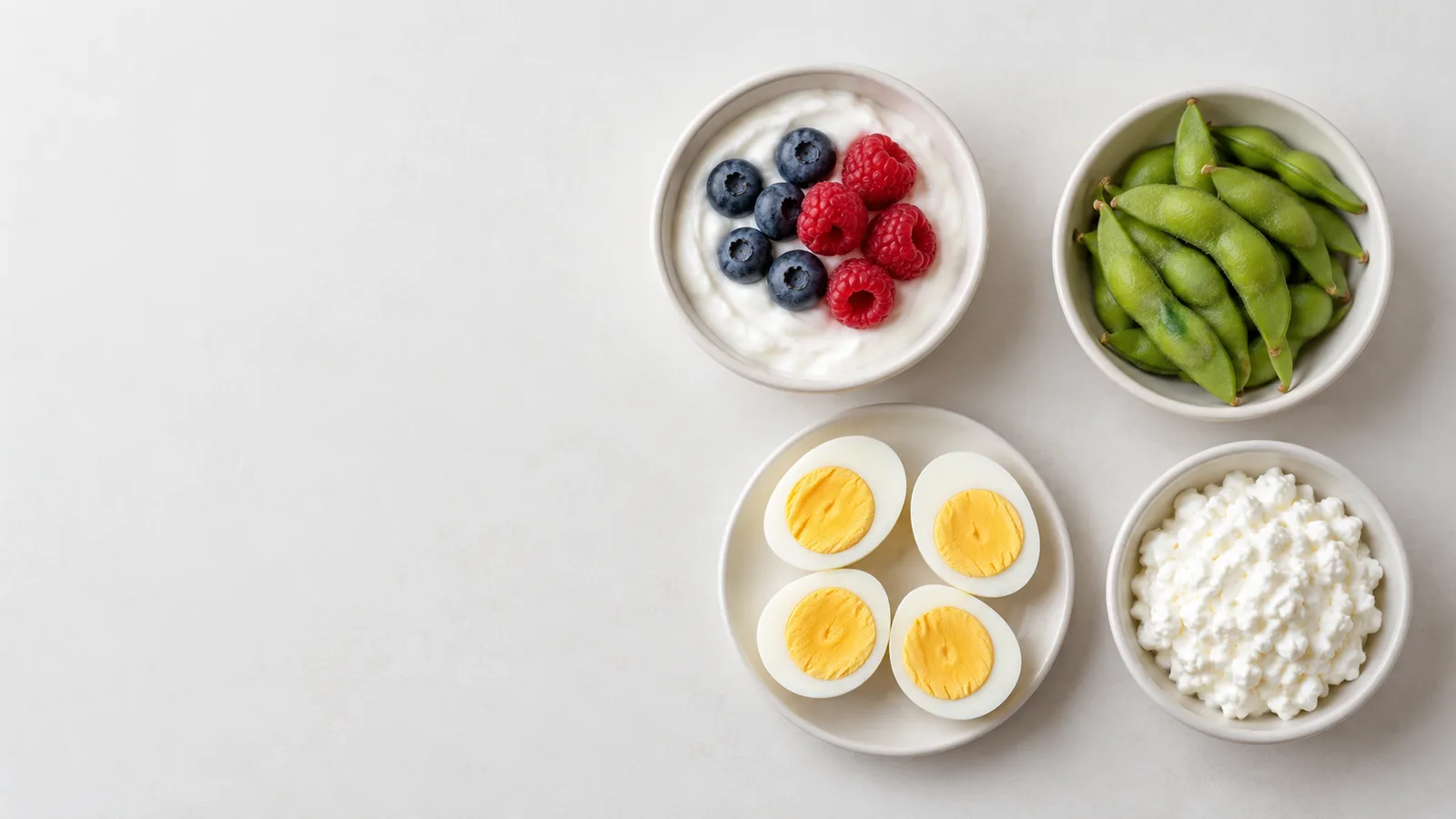
A cup of 2% cottage cheese gives 24 g of protein for 183 kcal. An ounce of beef jerky gives 9 g for 116 kcal [1]. Both fit under 200 calories, but their protein differs a lot.
Hunger between meals can leave you wondering what to eat when you are trying to lose weight. A snack with protein may help you stay satisfied until your next meal [2, 3]. The useful starting point is the portion you will actually eat.
Below are ordinary foods with protein, each under 200 kcal in the portion shown. Some give 10 g or more on their own; others add a smaller amount or work in a combination.
Snacks with protein, all under 200 calories
-
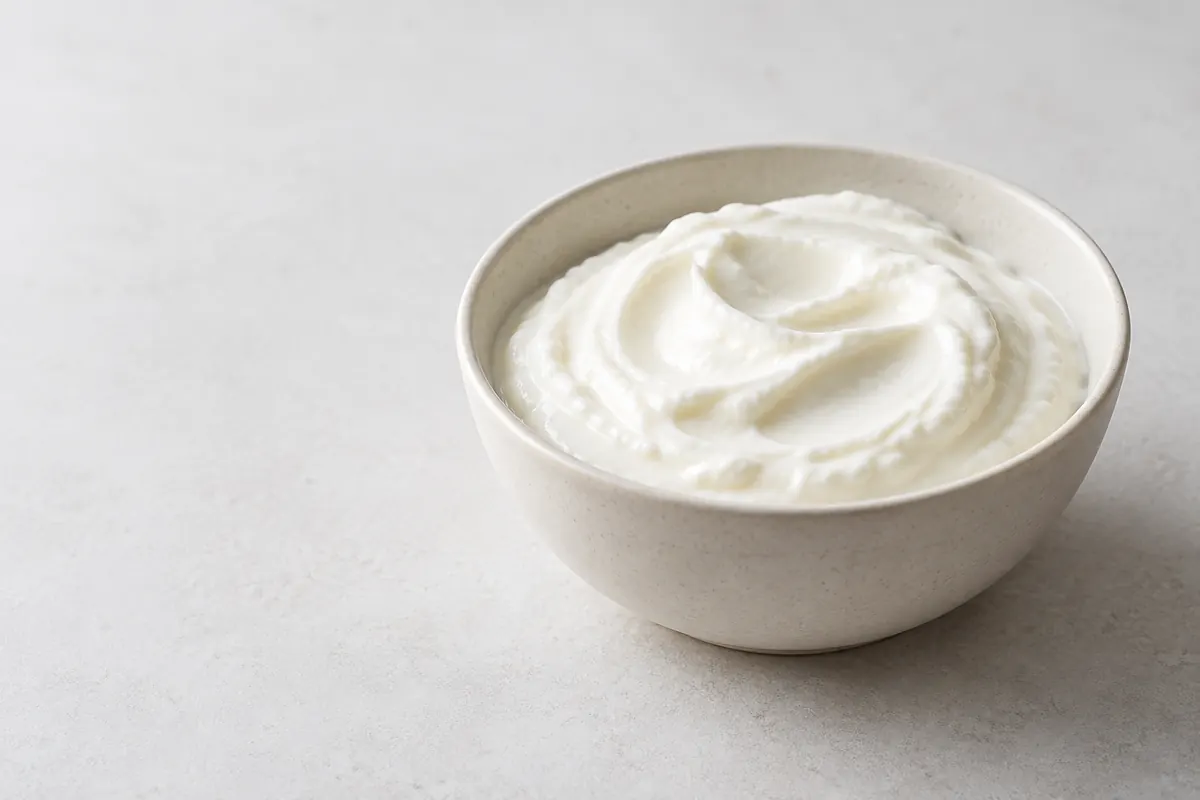 15 g Greek yogurt 150 g
-
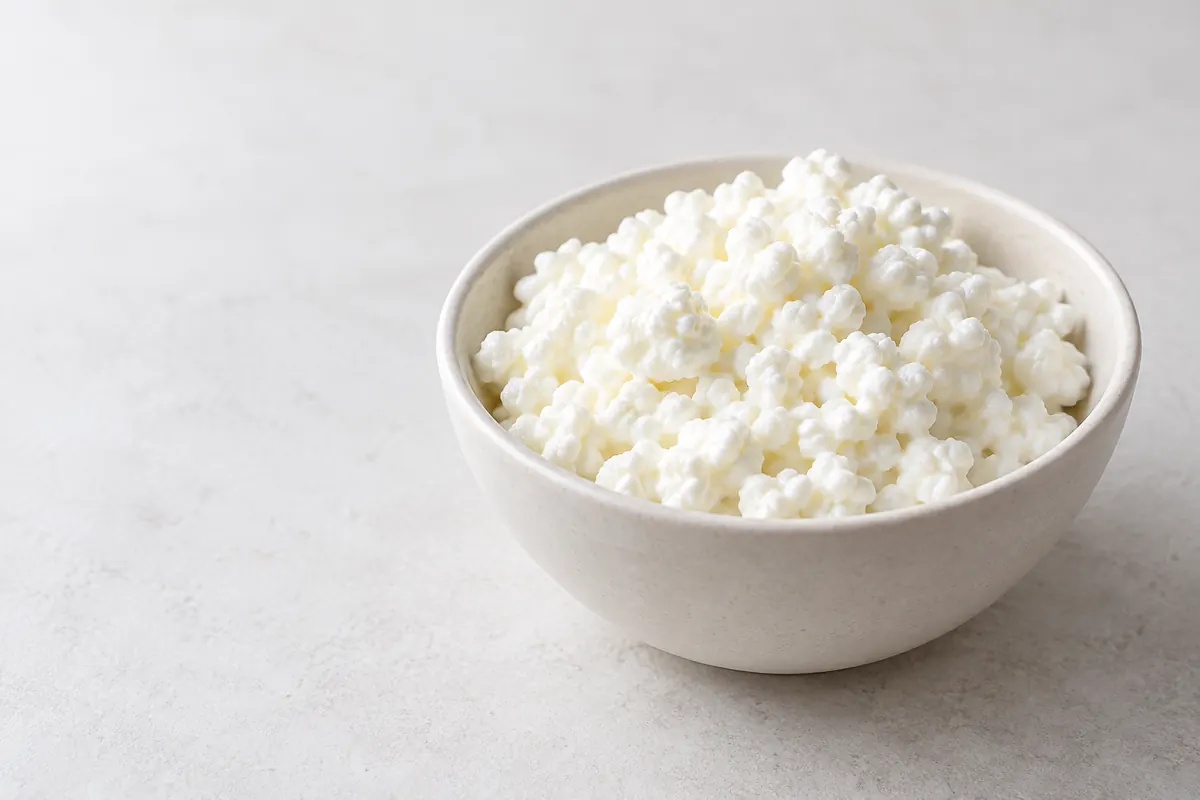 24 g Cottage cheese 1 cup, not packed (226 g)
-
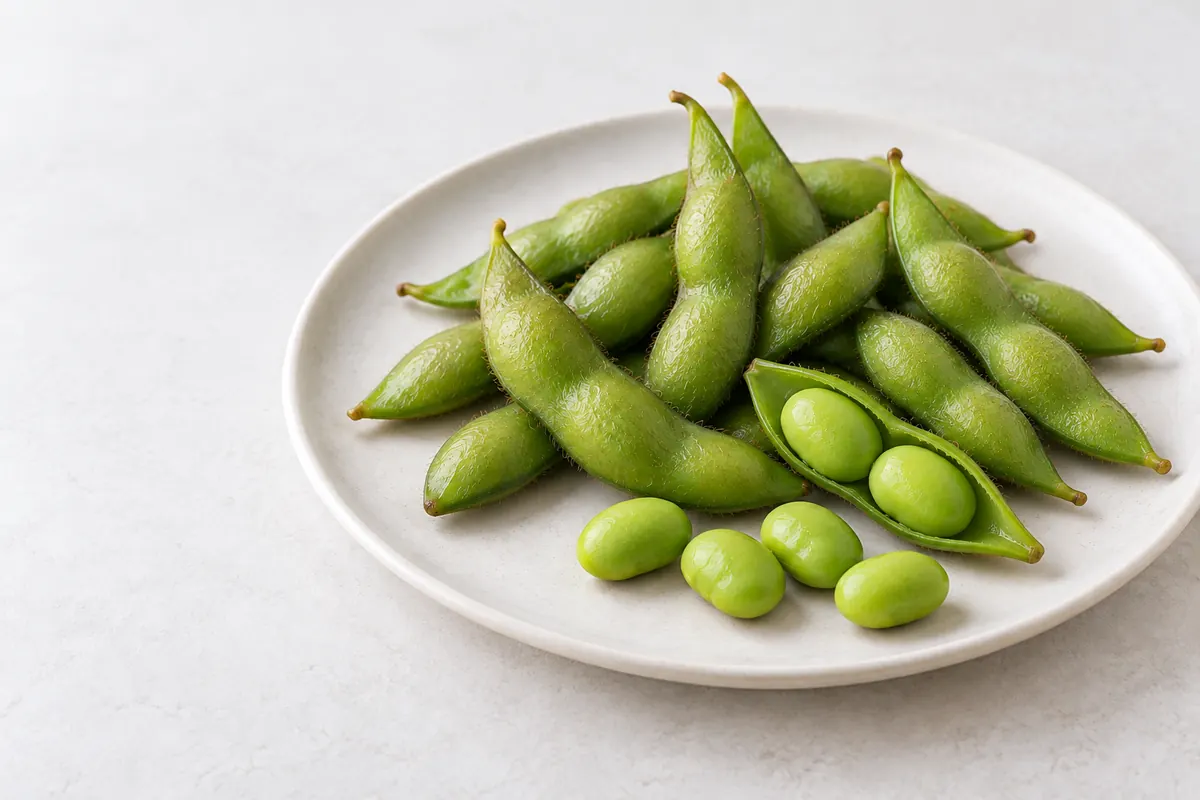 18 g Edamame 1 cup (155 g)
-
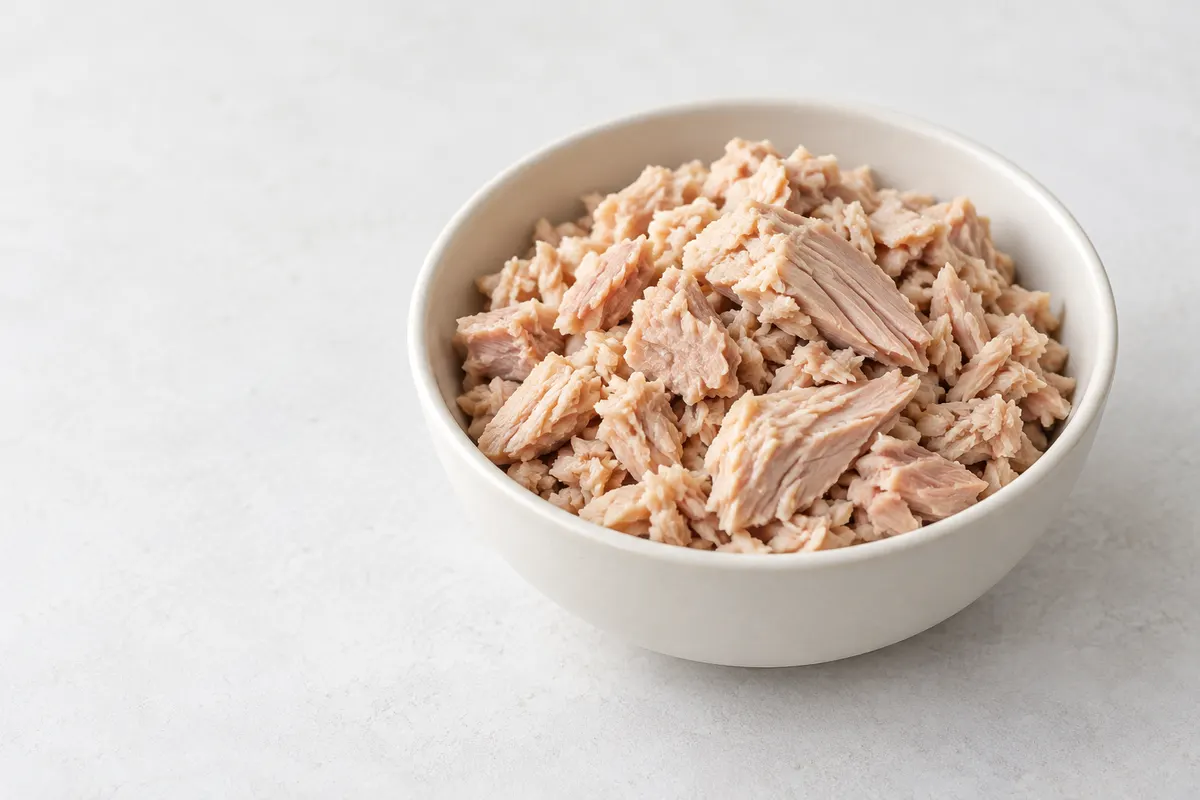 17 g Tuna 3 oz (85 g)
-
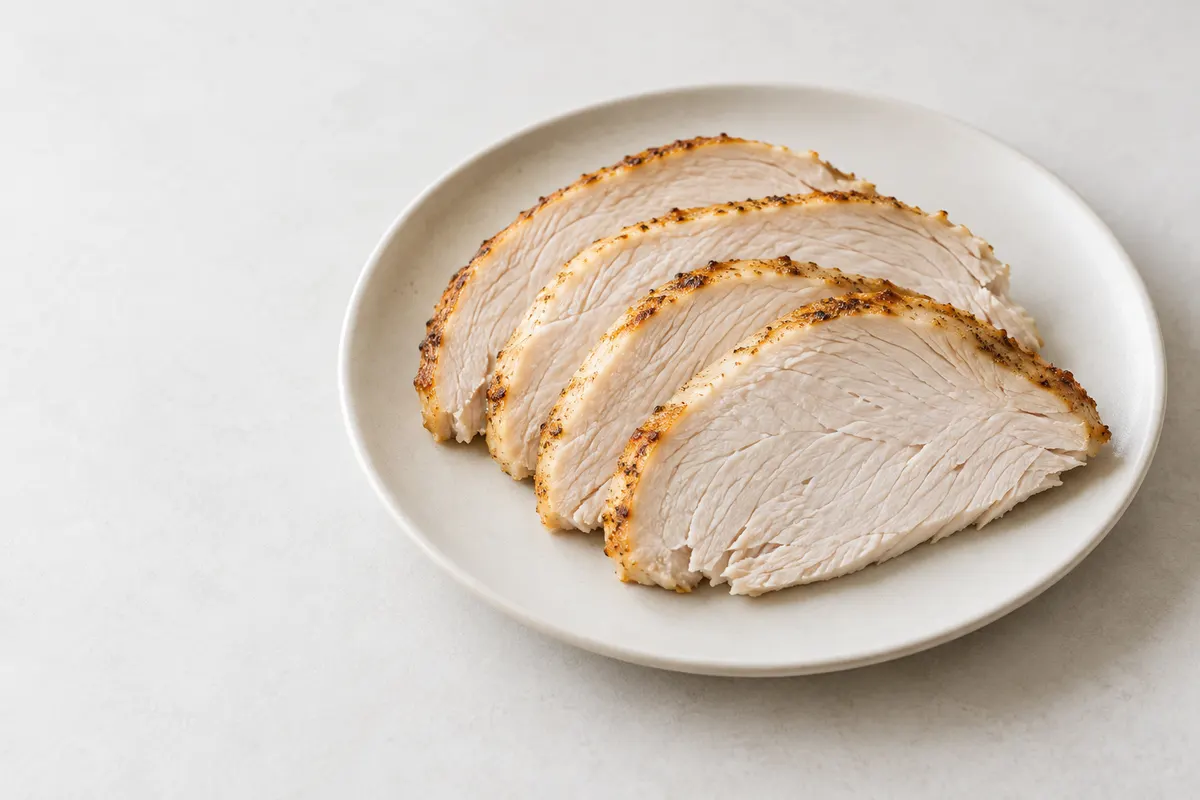 26 g Turkey breast 3 oz (85 g)
-
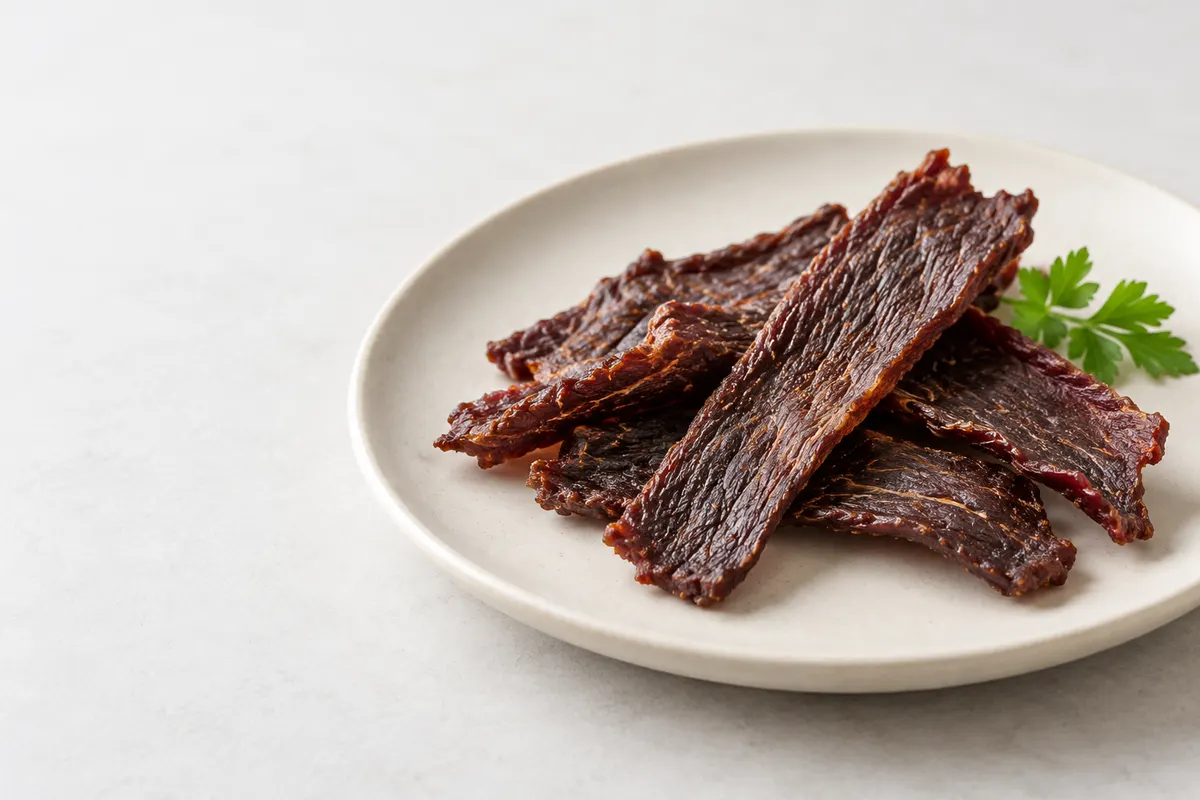 9 g Beef jerky 1 oz (28.35 g)
-
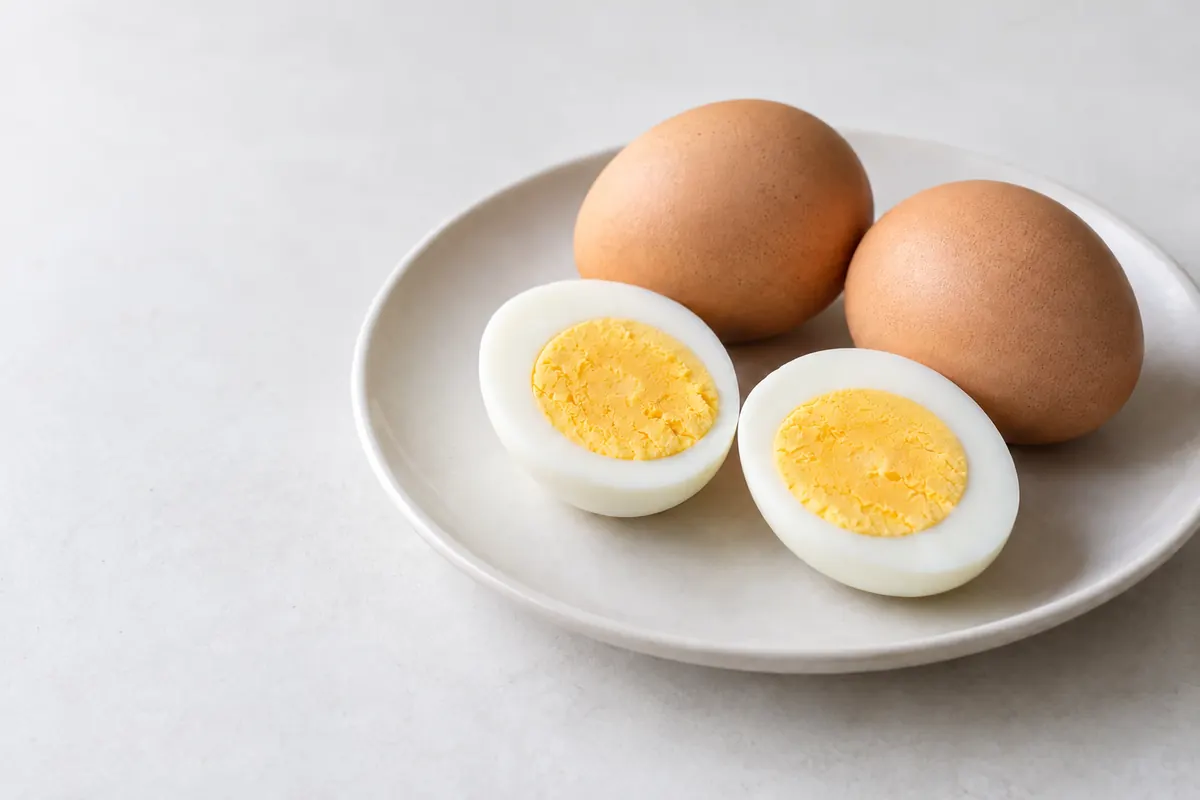 6 g Egg 1 large (50 g)
-
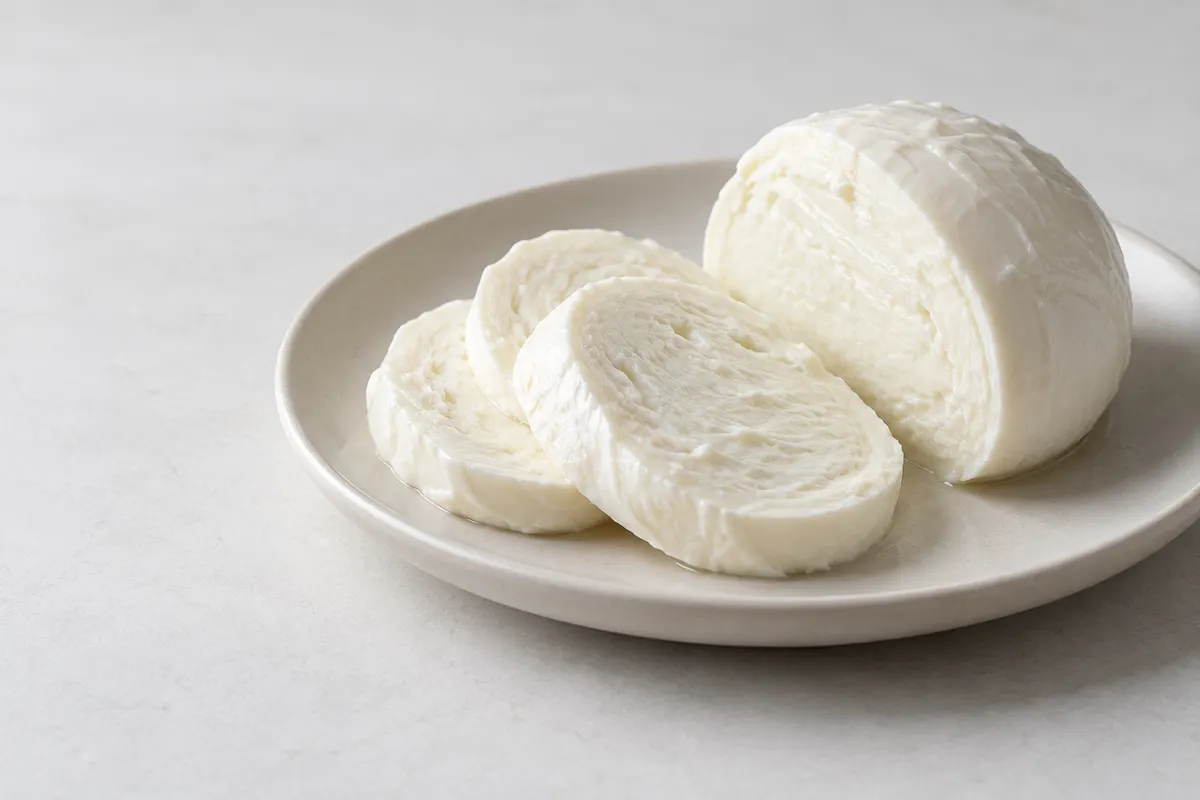 6 g Mozzarella 1 oz (28.35 g)
The calories for these portions: Greek yogurt 110 kcal, cottage cheese 183 kcal, edamame 188 kcal, tuna in water 73 kcal, turkey breast 125 kcal, beef jerky 116 kcal, a hard-boiled egg 78 kcal and mozzarella 85 kcal. Two more fit the list: a cup of low-fat kefir gives 9 g of protein for 104 kcal, and an ounce of pumpkin seeds gives 9 g for 158 kcal [1].
These are reference values for these foods and portions. Check the label of your product, especially when its preparation or ingredients differ.
Looking for snacks with at least 10 g of protein? The Greek yogurt, cottage cheese, edamame, tuna and turkey portions reach that. The others do not, though their protein still adds to your day. Our high-protein snacks table compares more foods.
What research says about protein snacks and fullness
In a study of 15 healthy women, afternoon yogurts with 5, 14 or 24 g of protein each gave 160 kcal. All of them reduced hunger and increased fullness compared with no snack. The 24 g yogurt did better than the 5 g one on these measures and delayed the next meal the longest [2].
Another study compared 160 kcal snacks in 20 healthy women. A yogurt with 14 g of protein reduced afternoon hunger more than chocolate and delayed dinner compared with chocolate. Afternoon fullness did not differ between the snacks [3].
Both studies were small and short, in healthy young women, and the snacks differed in more than protein. They suggest that a snack with protein may help with hunger, but they do not show that such snacks cause weight loss [2, 3].
In the first study, lower dinner intake did not fully offset the snack's calories [2]. A snack still belongs in the day's total.
How to choose a snack that suits you
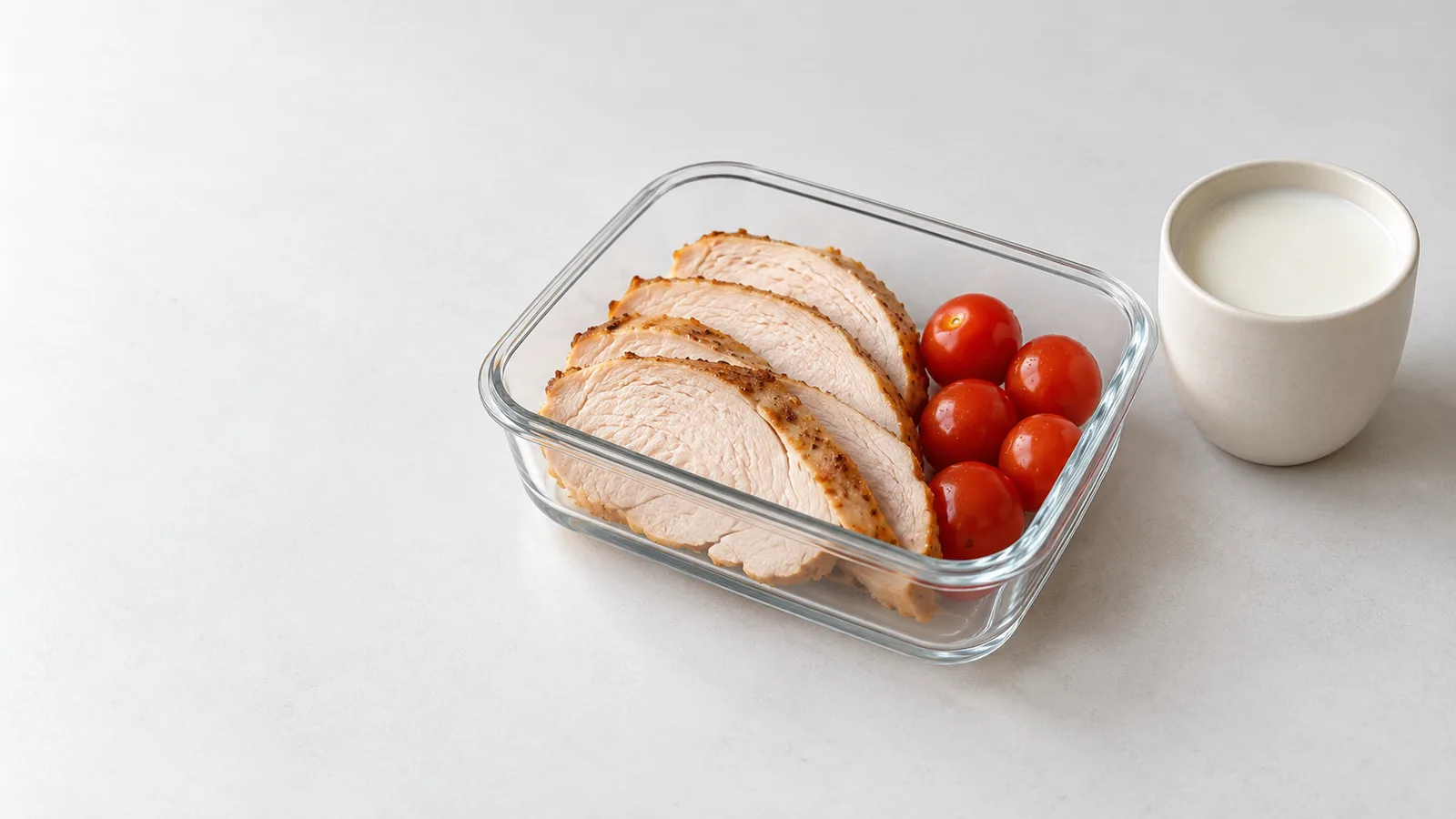
- Start with your hunger. If you are hungry and the next meal is some time away, choose something you would enjoy eating.
- Check the protein in your portion. Use the amount you plan to eat, rather than comparing a cup of one food with a small piece of another.
- Count the whole snack. Include anything you add. The 200-calorie limit is a way to organize this list, not a rule every snack must follow.
- Choose something practical. Think about what you like, what you have and whether you can store it where you will eat.
A snack does not need its own protein quota. If you are unsure about your daily amount, start with how much protein you need a day or the protein calculator.
Simple combinations from the list
If you prefer a small plate to a single food, these combinations stay under 200 kcal with the portions above:
- One hard-boiled egg with 1 oz of mozzarella: 163 kcal and 12 g of protein.
- 3 oz of tuna in water with one hard-boiled egg: 151 kcal and 23 g of protein.
Greek yogurt with fruit or cottage cheese with sliced vegetables work too. Additions change the total, so those combinations are not automatically under 200 kcal.
Portions without a scale
Use the stated weight of a whole container, a measuring cup for a cup portion or a count for eggs, and check that the amount matches the portion you log.
A yogurt container is not always the size shown above, and a handful of seeds is not a fixed weight. For part of a package, estimate the share you ate and use its label as a reference. The guide to counting calories without weighing food has more on portions.
When a snack is not needed
If three meals suit your appetite and schedule, there is no need to add a snack just because it contains protein. If you prefer a snack between meals, it can be part of your day too.
No food becomes forbidden because it is not on this list. Choose a portion that suits your hunger; you do not need to make every snack as small as possible.
For how protein can add up across a day of ordinary meals, see how to get 100 grams of protein a day. That amount is an example to plan around, not a target everyone needs.
Log snacks like meals
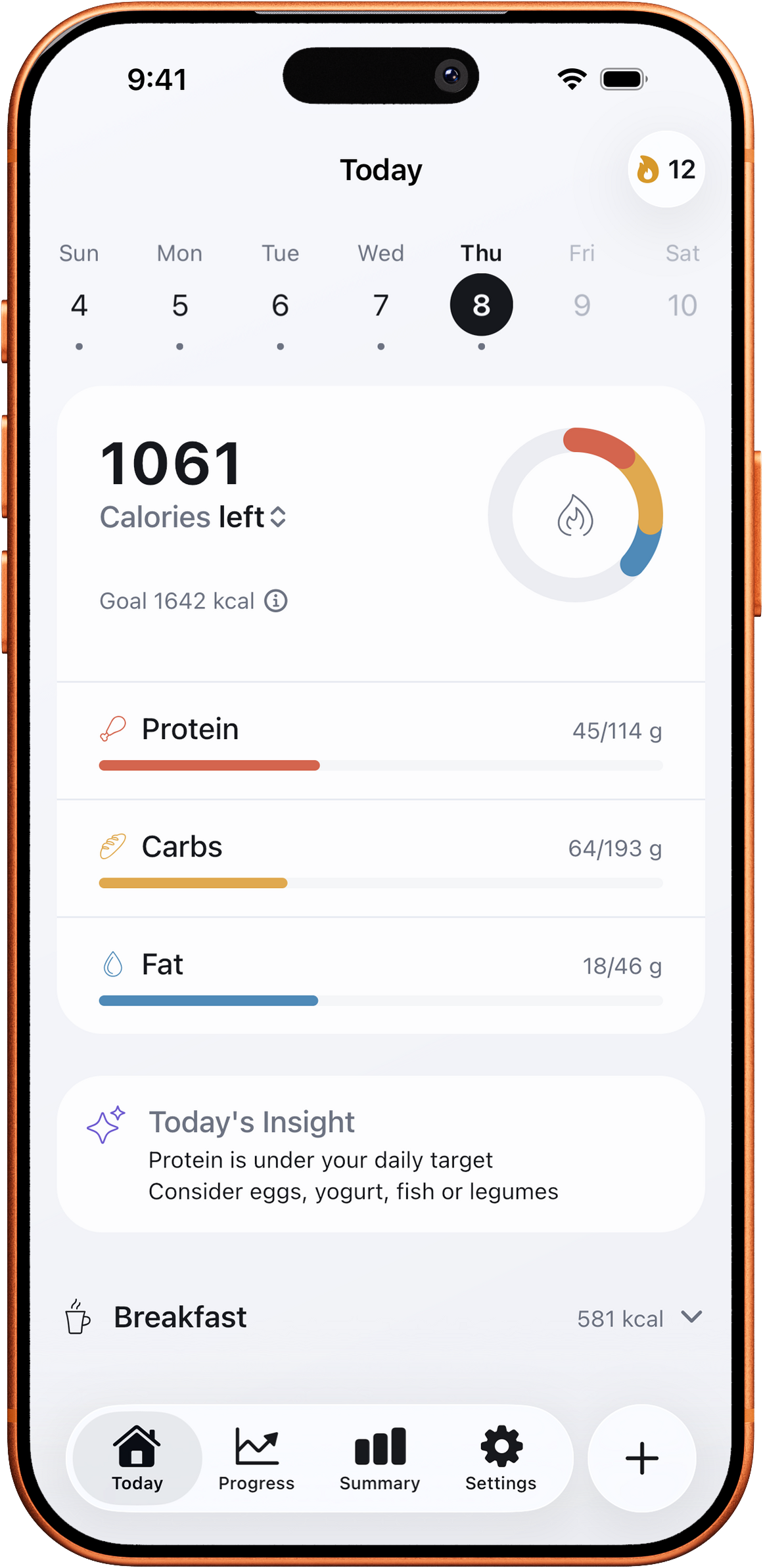
If you log food, include snacks just as you include meals: the portion you ate and anything you added. In ClariMeal, you can save a usual snack as a meal and log it again. The Today screen shows your daily calorie and protein totals against your targets. You can also log by photo, search or barcode; a photo is sent for analysis only with your consent, and you review and correct the estimate before logging.
Log Your Usual SnackLog Your Usual Snack
Sources
- U.S. Department of Agriculture, Agricultural Research Service. FoodData Central. fdc.nal.usda.gov ↑
- Douglas SM, Ortinau LC, Hoertel HA, Leidy HJ. Low, moderate, or high protein yogurt snacks on appetite control and subsequent eating in healthy women. Appetite 2013;60(1):117-122. doi.org/10.1016/j.appet.2012.09.012 ↑
- Ortinau LC, Hoertel HA, Douglas SM, Leidy HJ. Effects of high-protein vs. high-fat snacks on appetite control, satiety, and eating initiation in healthy women. Nutrition Journal 2014;13:97. doi.org/10.1186/1475-2891-13-97 ↑