Zero-Calorie Foods: Facts, Labels and the Celery Myth
A list of "zero-calorie foods" can sound useful when you want to lose weight without feeling hungry. It also leaves questions. Do those foods contain no energy at all? Does digestion cancel out their calories? What does a zero on a label mean?
The foods commonly called zero-calorie foods still contain calories. Typical values suggest that digesting celery uses only a small part of its calories [1]. In the U.S., a serving with fewer than 5 calories can show zero on the Nutrition Facts label [2].
Plain water has no calories. The vegetables and fruit below have a small amount, and they add volume to a meal. Use them alongside foods that give you protein and energy. Hunger is a normal signal; the aim is to feel satisfied.
Does celery have negative calories?
Your body uses energy to digest food and process its nutrients. This is called the thermic effect of food.
A review of this research reports the cost for each nutrient: about 0 to 3% of the calories in fat, 5 to 10% of the calories in carbohydrate and 20 to 30% of the calories in protein [1].
Raw celery has 14 kcal per 100 g, mostly from carbohydrate and a little protein. Applying these typical ranges to celery's nutrients gives an illustrative estimate of roughly 1 to 2 kcal for 100 g. This is not a measured digestion cost for celery.
When you log celery, use its listed calories without subtracting anything for digestion.
What "zero calories" means on a U.S. label
There are two related rules:
- The Nutrition Facts number. Amounts below 5 calories per serving may be shown as zero [2].
- A claim such as "calorie free" or "zero calories". The food must contain fewer than 5 calories both per labeled serving and per reference amount customarily consumed, the standard quantity used for its food category [3].
So "0 calories" does not always mean no energy at all. It can describe a small amount that qualifies for rounding.
Check the serving size as well as the number. For example, a product with 4 calories per serving could show zero on its Nutrition Facts panel. Five servings would then contain 20 calories, not zero.
This is a reason to understand the label, not to worry about every trace calorie. For the rest of the panel, see how to read a nutrition label.
Foods with very few calories per 100 g
The same weight makes these foods easy to compare. 100 g is a comparison amount, not a suggested serving.
| Food | kcal per 100 g |
|---|---|
| Coffee, brewed | 1 |
| Celery, raw | 14 |
| Lettuce, iceberg, raw | 14 |
| Cucumber, with peel, raw | 15 |
| Radishes, raw | 16 |
| Zucchini, raw | 17 |
| Tomatoes, raw | 18 |
| Asparagus, raw | 20 |
| Mushrooms, white, raw | 22 |
| Spinach, raw | 23 |
| Cauliflower, raw | 25 |
| Watermelon, raw | 30 |
Values are USDA data from the linked food pages [4]. Produce is raw; coffee is plain and brewed, without anything added.
In common portions, the numbers stay small:
-
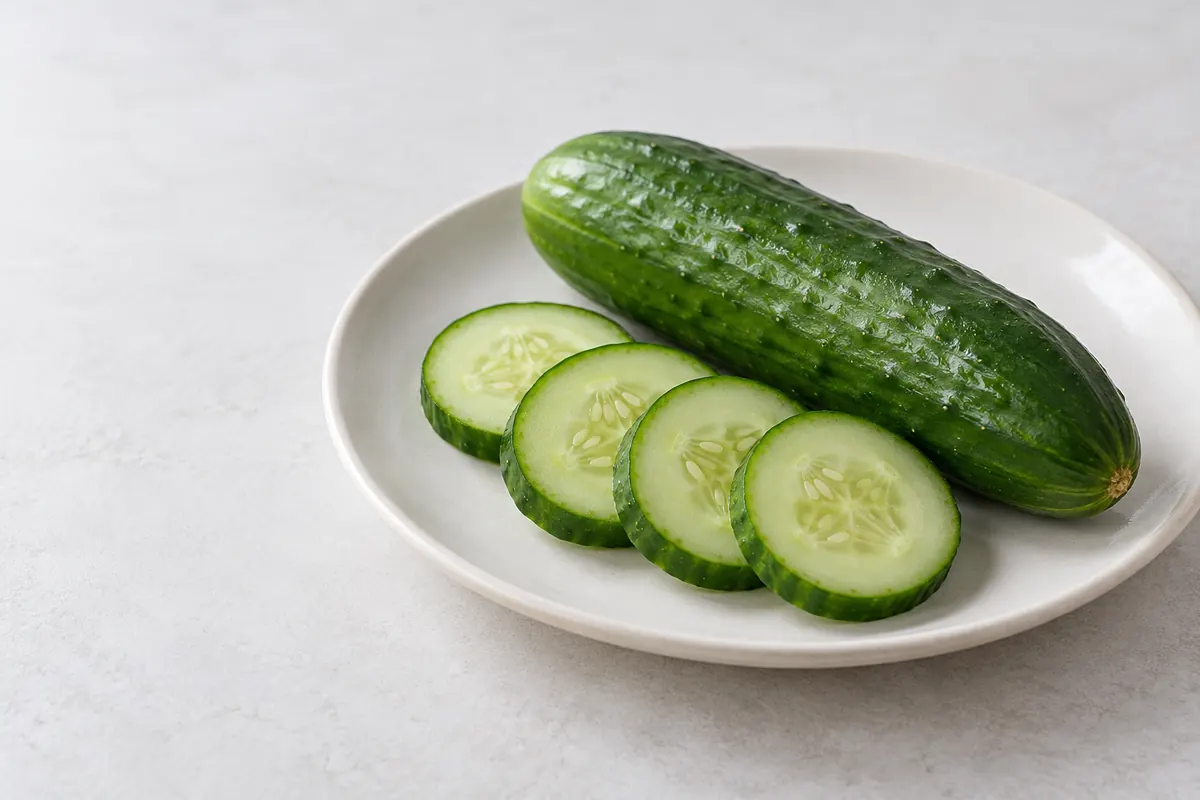 45 kcal Cucumber 1 cucumber (301 g)
-
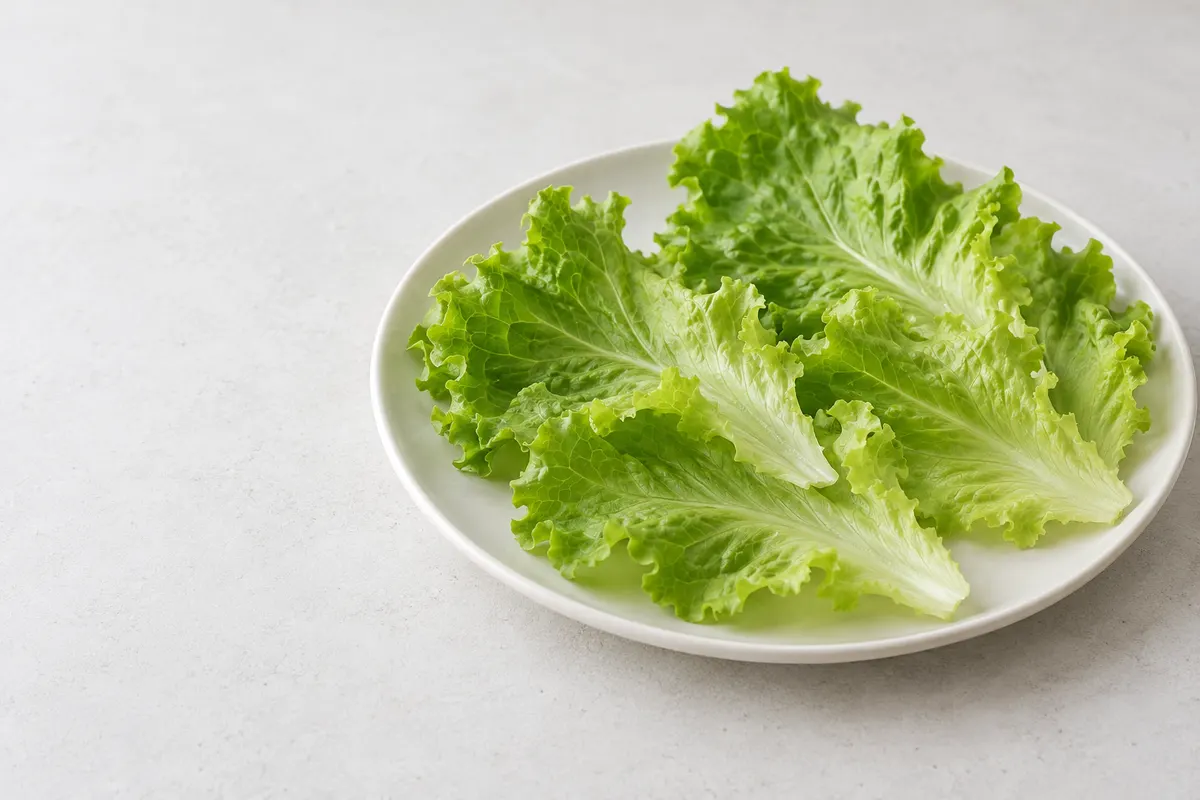 10 kcal Lettuce, iceberg 1 cup shredded (72 g)
-
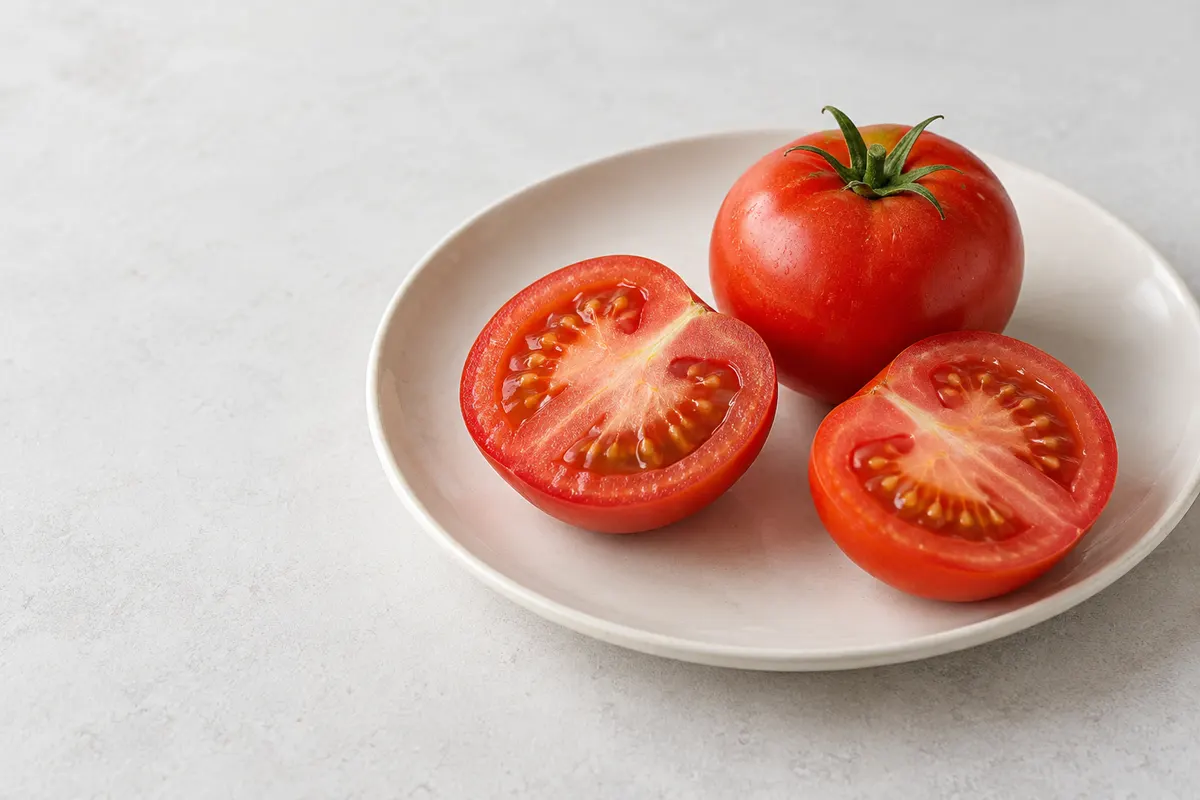 22 kcal Tomato 1 medium tomato (123 g)
-
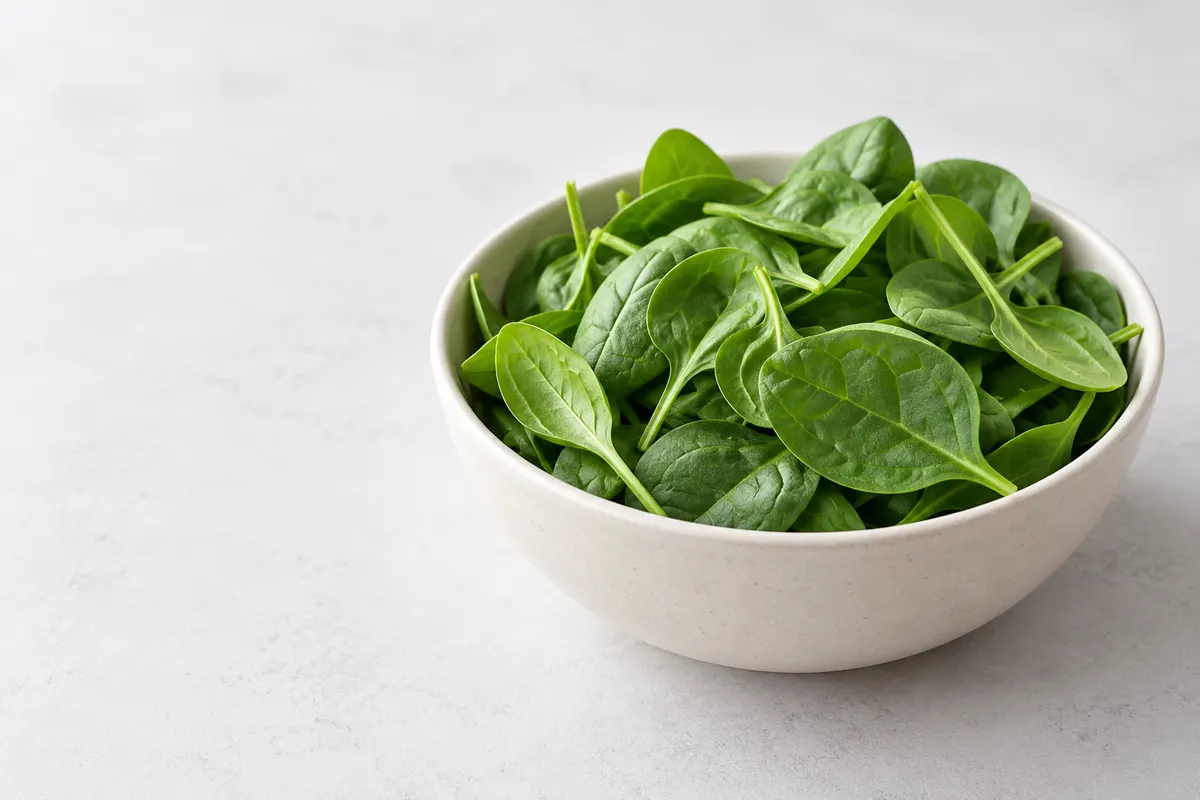 7 kcal Spinach, raw 1 cup (30 g)
-
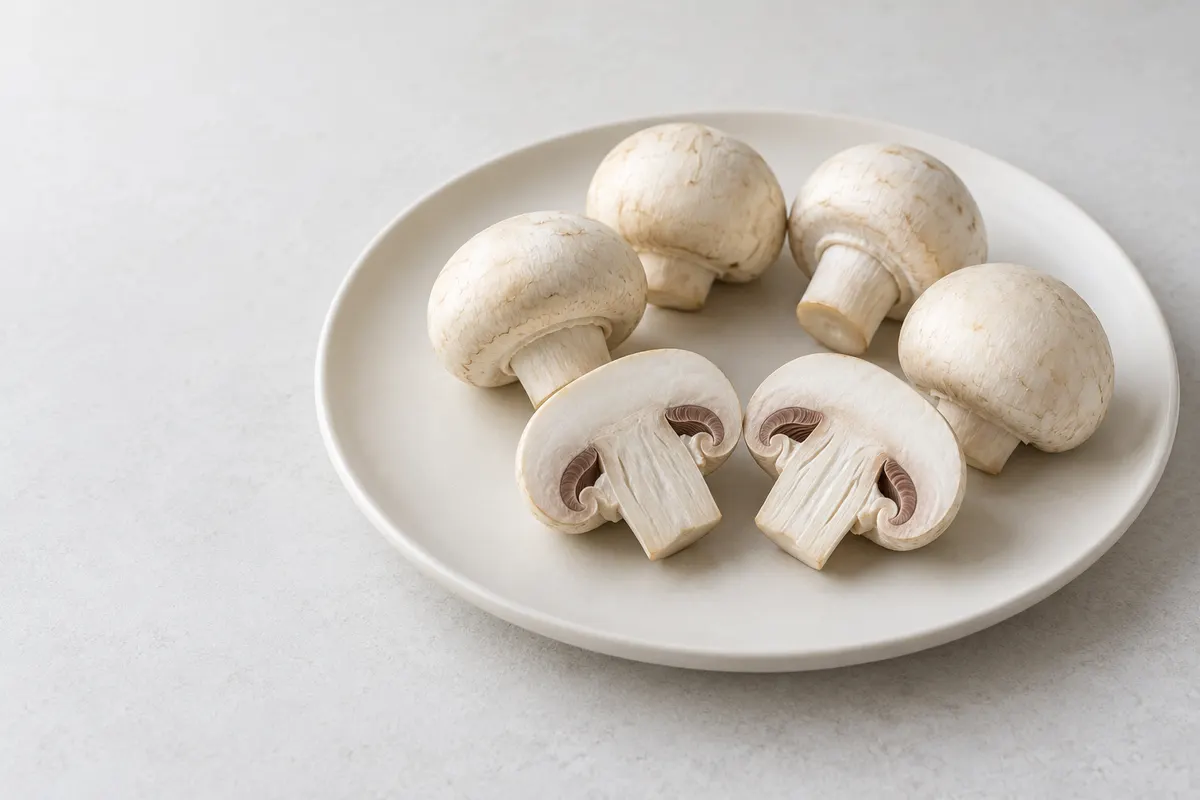 15 kcal Mushrooms 1 cup, pieces or slices (70 g)
-
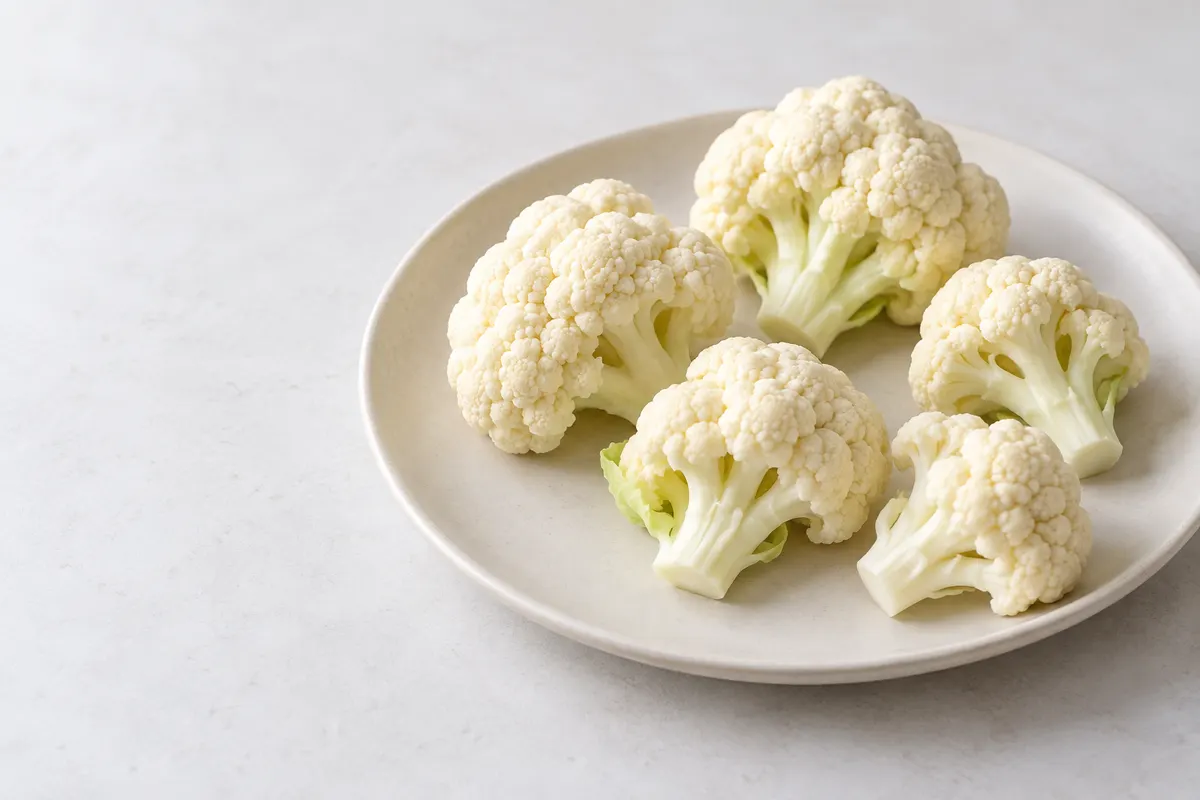 27 kcal Cauliflower 1 cup chopped (107 g)
-
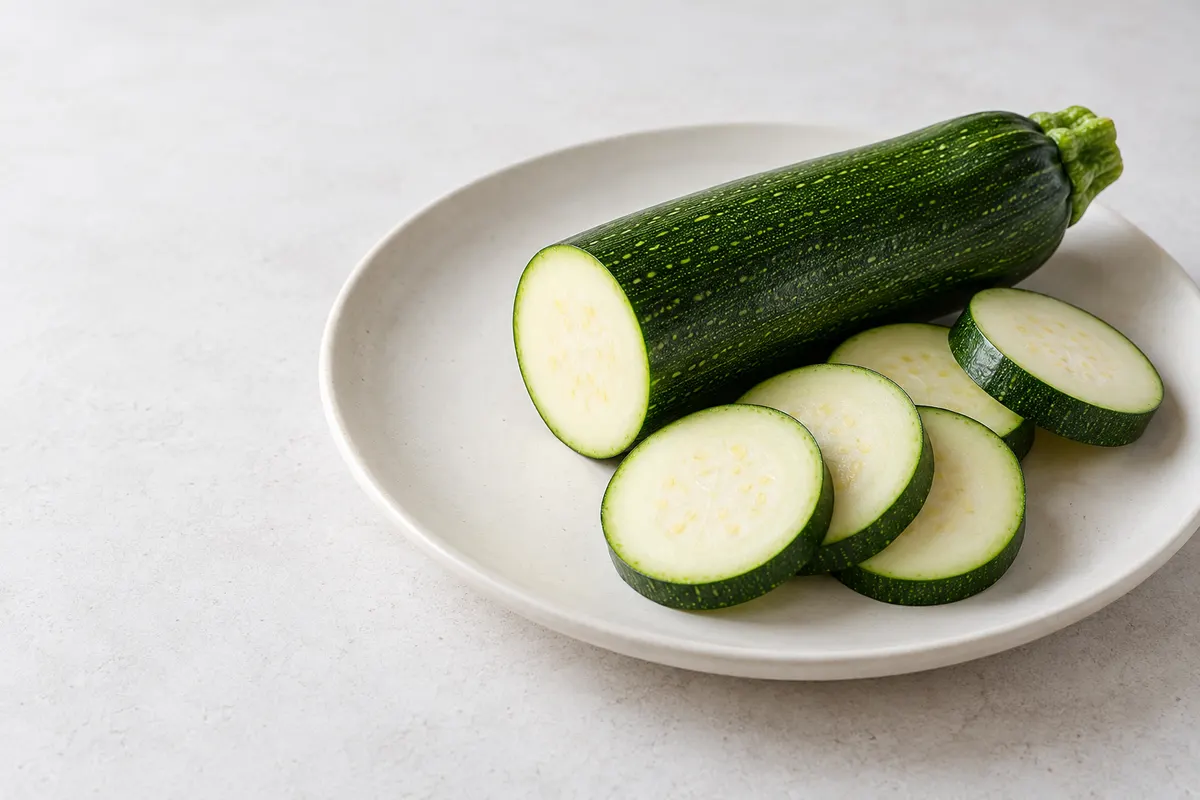 33 kcal Zucchini 1 medium zucchini (196 g)
-
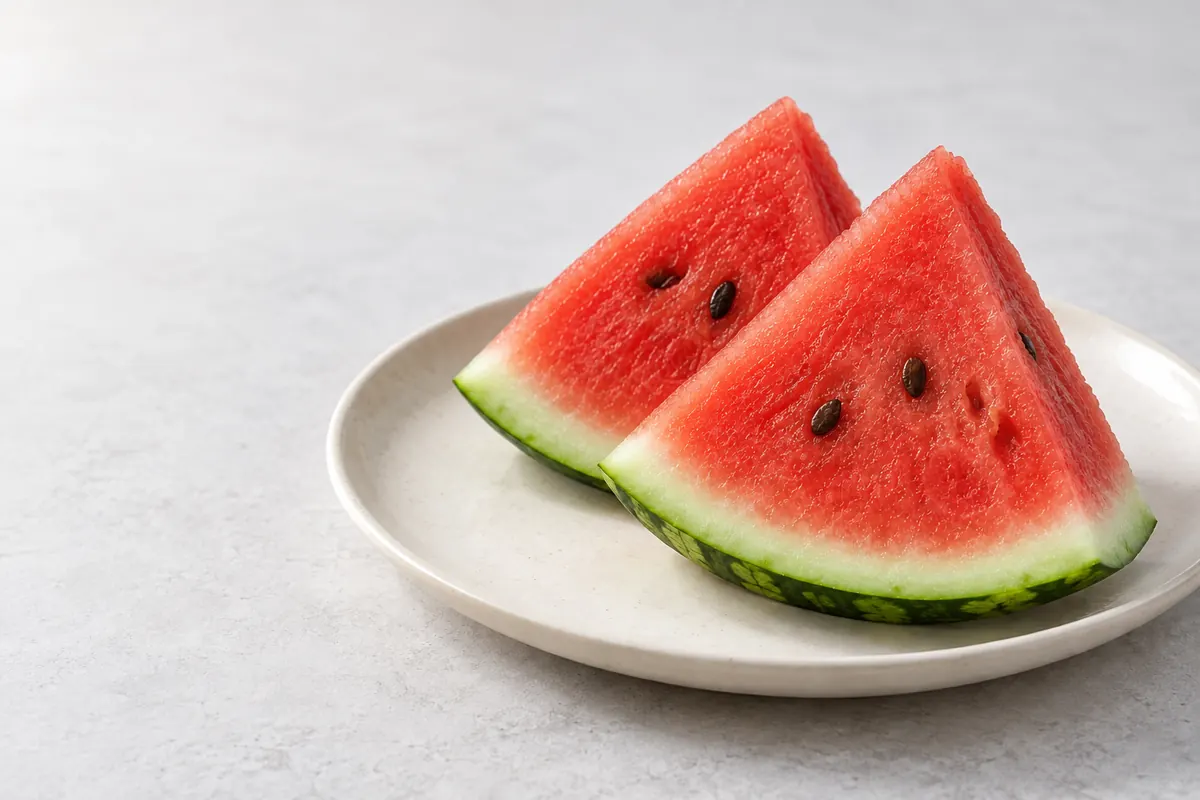 46 kcal Watermelon 1 cup, diced (152 g)
These are low-calorie foods, not foods with no calories. Their usefulness does not depend on getting the number down to zero.
Why low-calorie foods can make meals more satisfying
Energy density means the calories in a given weight of food. Water adds weight without adding energy, which is why water-rich vegetables and fruit have relatively few calories.
Research reviewed by Barbara Rolls found that people often eat a fairly consistent weight of food. Lowering the energy density of meals can therefore lower calorie intake while fullness stays similar. Individual responses vary [5].
The practical benefit is more food for the calories in the meal. Adding vegetables does not erase the calories in the rest of the plate, and it is not a promise that unlimited portions lead to weight loss.
For more ways to build a filling plate, see how to feel full on fewer calories.
Four ways to use these foods in ordinary meals
- Keep protein and enough energy in the meal. Start with foods such as eggs, fish, chicken, tofu or beans, and include other foods you enjoy, such as rice, potatoes, bread or olive oil. If you are unsure about your daily protein, see how much protein you need a day.
- Add vegetables to a meal you already eat. Stir zucchini and mushrooms into pasta, add spinach to an omelet or serve a cucumber and tomato salad with a sandwich. Keep the rest of the meal substantial enough to satisfy you.
- Build a snack around what you need. Try watermelon with yogurt or celery with hummus. If a few vegetable sticks leave you hungry, have a more substantial snack or meal.
- Count the whole drink or dish. Plain brewed coffee is the item in the table; milk, sugar and cream are additions. The same applies to oil, dressing and sauces on vegetables. Include them when you estimate the meal, without treating them as something to avoid.
Use the table to choose foods you enjoy and make meals more generous. There is no need to organize your day around the smallest possible number.
See the whole meal
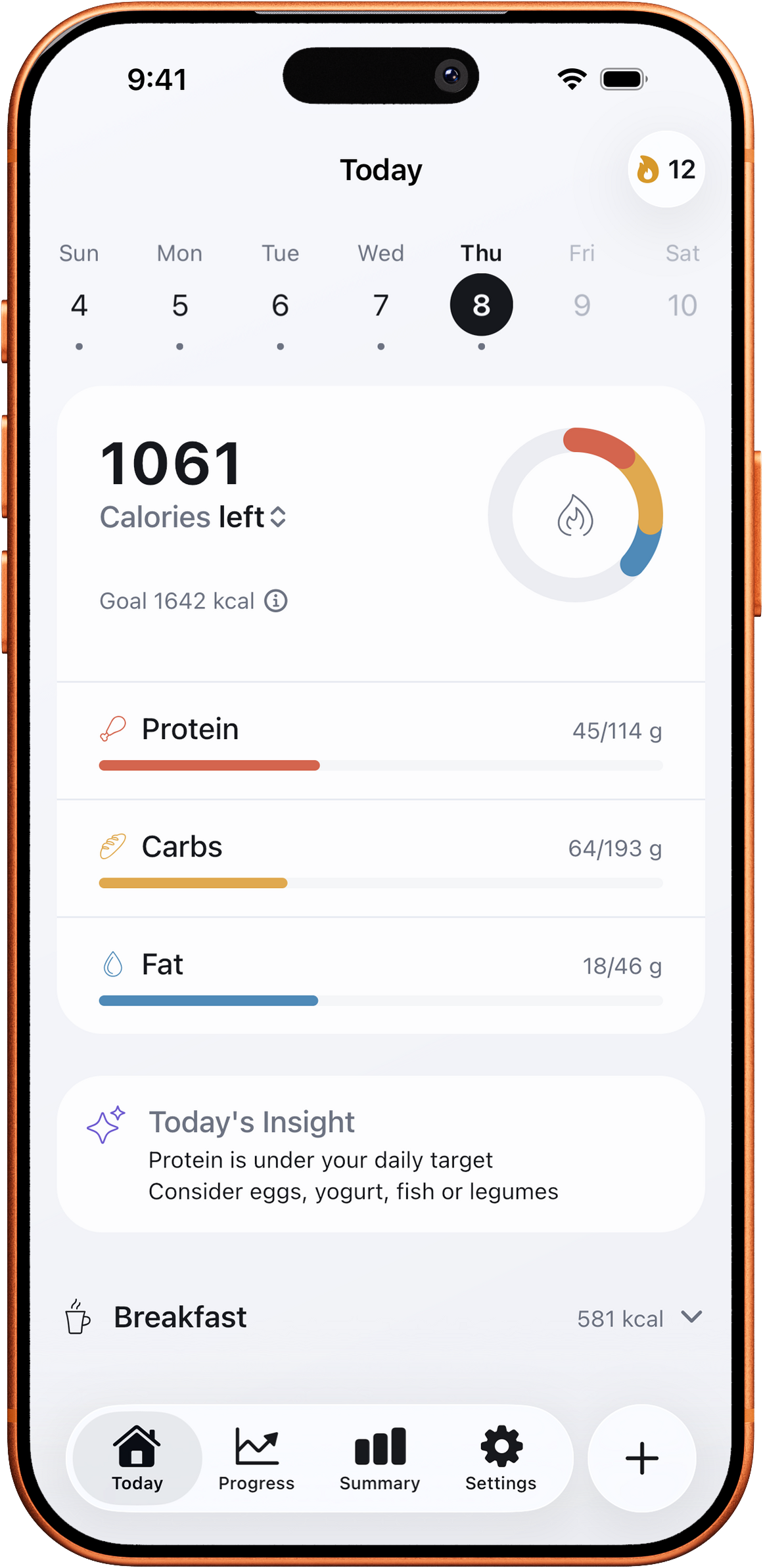
The ClariMeal Today screen shows your logged calories and macros against your daily target, additions included. You can log a meal by photo, search or barcode; a photo is sent for analysis only with your consent, and you review and correct the estimate before logging.
Log Your Whole MealLog Your Whole Meal
Sources
- Westerterp KR. Diet induced thermogenesis. Nutrition & Metabolism 2004;1:5. doi.org/10.1186/1743-7075-1-5 ↑
- U.S. Food and Drug Administration. 21 CFR 101.9(c)(1), nutrition labeling of food. ecfr.gov ↑
- U.S. Food and Drug Administration. 21 CFR 101.60(b)(1), nutrient content claims for the calorie content of foods. ecfr.gov ↑
- U.S. Department of Agriculture, Agricultural Research Service. FoodData Central. fdc.nal.usda.gov ↑
- Rolls BJ. The relationship between dietary energy density and energy intake. Physiology & Behavior 2009;97(5):609-615. doi.org/10.1016/j.physbeh.2009.03.011 ↑